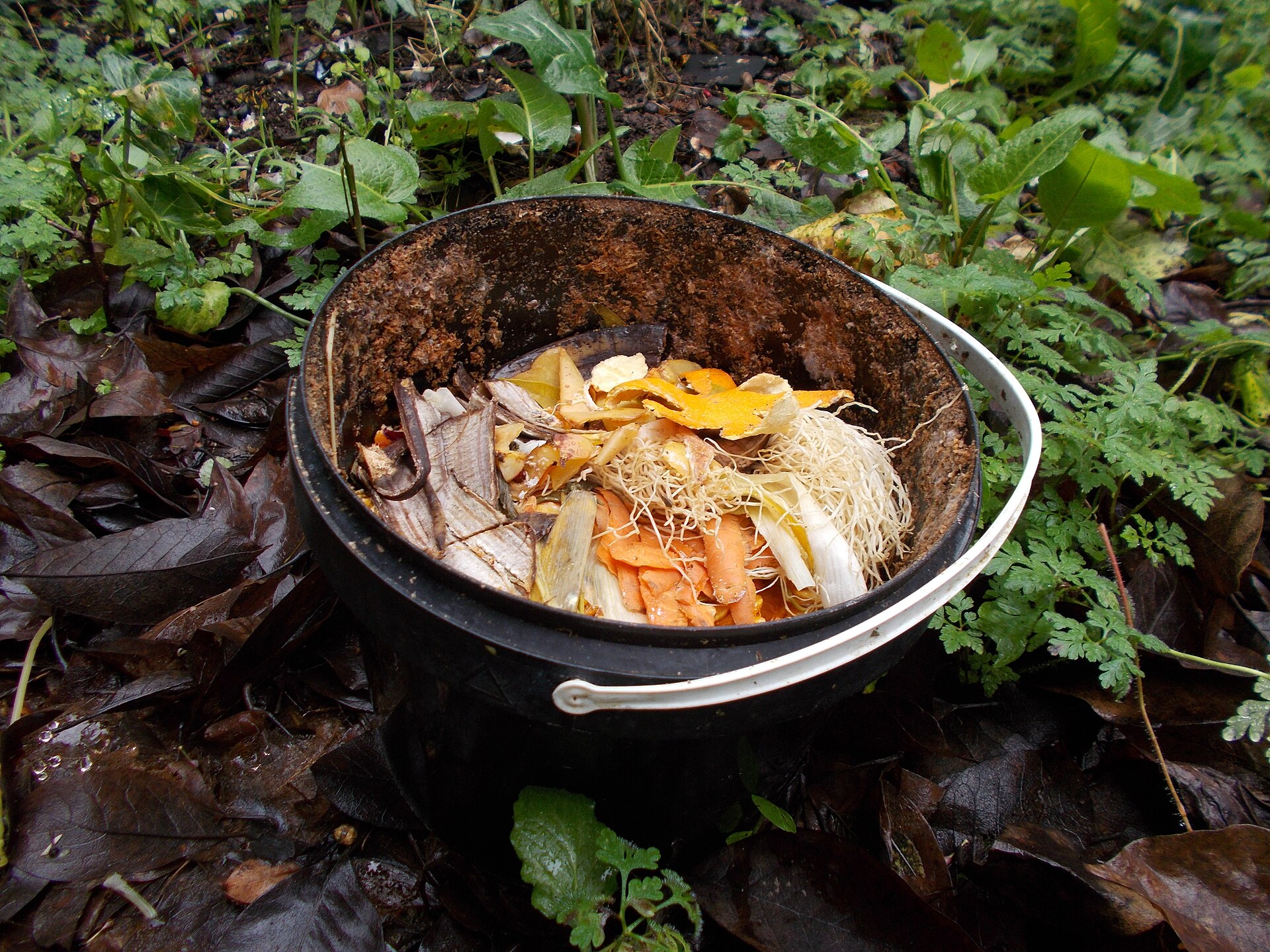
How to dispose of packaging in EPR states starts with a local answer: check the accepted-material list for your address. Extended producer responsibility, or EPR, changes who funds and manages parts of the recycling system. It does not make every package recyclable overnight.
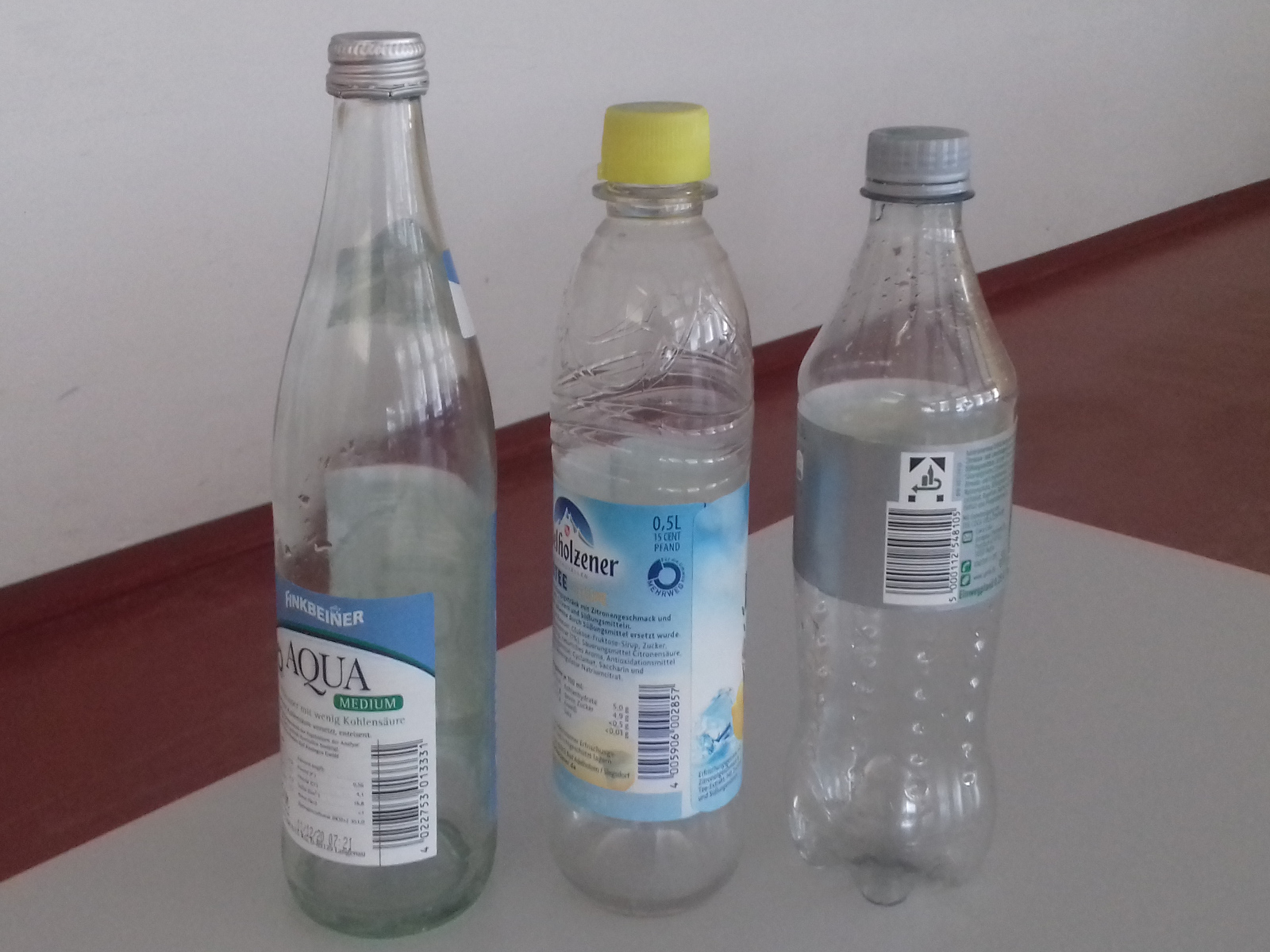
Photo: glass returnable, PET returnable and single-use PET bottles. Klaus-Dieter Keller, 22 July 2019. CC0 1.0 · Wikimedia Commons source. Resized for web.
The quick answer
- Identify the package by material and shape: bottle, tub, film, carton, foam or something else.
- Empty it. Rinse only as much as your local program asks.
- Use your city, county or hauler’s accepted-material list. That list controls what belongs in your curbside cart today.
- Use a named depot or store program for items kept out of curbside recycling.
- If the official local list does not accept it, do not put it in the cart just because the package has a recycling symbol.
EPR laws can pay for collection, processing, education and system expansion. The practical curbside result arrives on each state’s implementation schedule and through local collection programs.
What packaging EPR changes
Traditional recycling programs often leave local governments and residents paying much of the collection and processing bill. Packaging EPR moves defined costs to the companies that sell covered packaging and paper products. Producers usually work through a producer responsibility organization, while a state agency oversees the plan.
That funding can support wider access, more consistent instructions and upgraded sorting. It can also reward packaging that is easier to reuse or recycle. But an enacted law, an approved producer plan and a changed curbside list are three different milestones.
Where the rule turns local
California
California’s SB 54 covers packaging and single-use plastic food-service ware. CalRecycle says the permanent regulations took effect on May 1, 2026. On October 13, 2026, the agency received the producer responsibility plan and began a 75-day compliance review.
That is program implementation, not a statewide instruction to place every covered package in a curbside bin. California residents should still use their local program’s list. The Los Angeles trash and recycling guide follows the city’s current collection rules rather than predicting what SB 54 may change later.
Colorado
Colorado approved the producer responsibility program plan in December 2025. CDPHE says producers began paying dues in January 2026 and that implementation of the statewide plan started in summer 2026. The department expects the program to expand no-cost access and standardize recycling instructions over time.
For today’s set-out decision, use the local collection authority. The Denver trash and recycling guide explains the city’s purple-cart rules and its separate drop-off options.
Oregon
Oregon’s Recycling Modernization Act took effect in 2022, with program changes starting in July 2025. Oregon DEQ maintains a local-government acceptance list for curbside and some depot service, plus a separate producer responsibility organization list for depot or mobile-event collection.
An item on a producer-funded depot list is not automatically a curbside item. The Portland trash and recycling guide points residents to the local service rules.
A practical packaging checklist
| Package | First check | Common mistake |
|---|---|---|
| Bottle, jug, tub or cup | Local list by shape and resin, if specified | Assuming the recycling number guarantees acceptance |
| Plastic film or bag | Named store or depot program | Putting it loose in a curbside cart |
| Paperboard or cardboard | Cleanliness and size rules | Leaving food, liners or plastic packing inside |
| Glass bottle or jar | Whether glass is curbside, separate or depot-only | Mixing it into a cart that excludes glass |
| Foam packaging | Named drop-off, if one exists | Treating a recycling mark as a curbside instruction |
| Compostable package | Local commercial-compost acceptance | Putting it in recycling or a backyard pile without approval |
When a package combines materials, separate them only if the official instruction says to. If the pieces cannot be separated and the local list does not name the package, use trash rather than contaminating the recycling load.
How to find your local answer
Start with the official city, county or public-authority waste page. Search for an address lookup or a current accepted-materials list. If collection is contracted out, confirm that the hauler page is the one linked by the local government.
For unusual packaging, look for an official waste wizard or call the published solid-waste number. Keep the package out of the cart while you check. A claim printed by the manufacturer is not a substitute for the collector’s instructions.
Trashbagging’s state and city directory collects official local schedules, and the drop-off directory covers named sites where records are available.
What this guide is not
This guide does not say that every package covered by an EPR law belongs in curbside recycling. It does not replace a local accepted-materials list, and it does not promise when a specific household will receive new service. State plans and targets can change during rulemaking and implementation.