
Waste Rules
Some items never belong in the household cart, whatever the local collection day is. Pick a material or a category.

How to Recycle Plastic Bags and Film
Plastic bags and film stay out of curbside recycling. Check retail take-back or a local drop-off.

How to Dispose of Leaves: Compost Cart, Bags or Drop-Off
Fall leaves go to a compost cart, a paper bag drop-off or a city leaf program, rarely the trash.

How to Dispose of a Refrigerator or Freezer Safely
An old fridge still holds refrigerant. Book a city pickup, a store haul-away or a utility program.
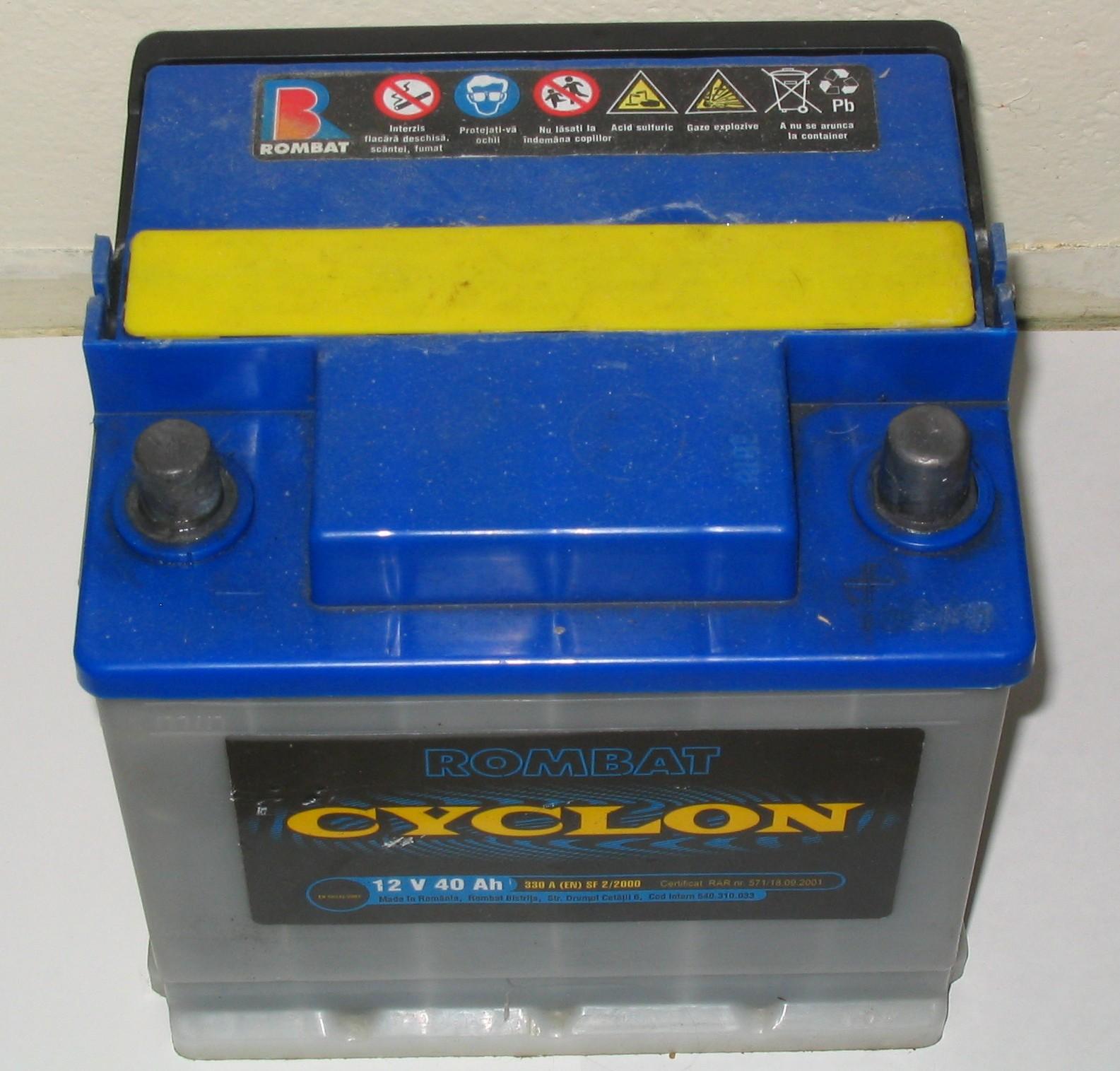
How to recycle a car battery safely
How to recycle a car battery through retailer take-back or household hazardous waste, with local rules.
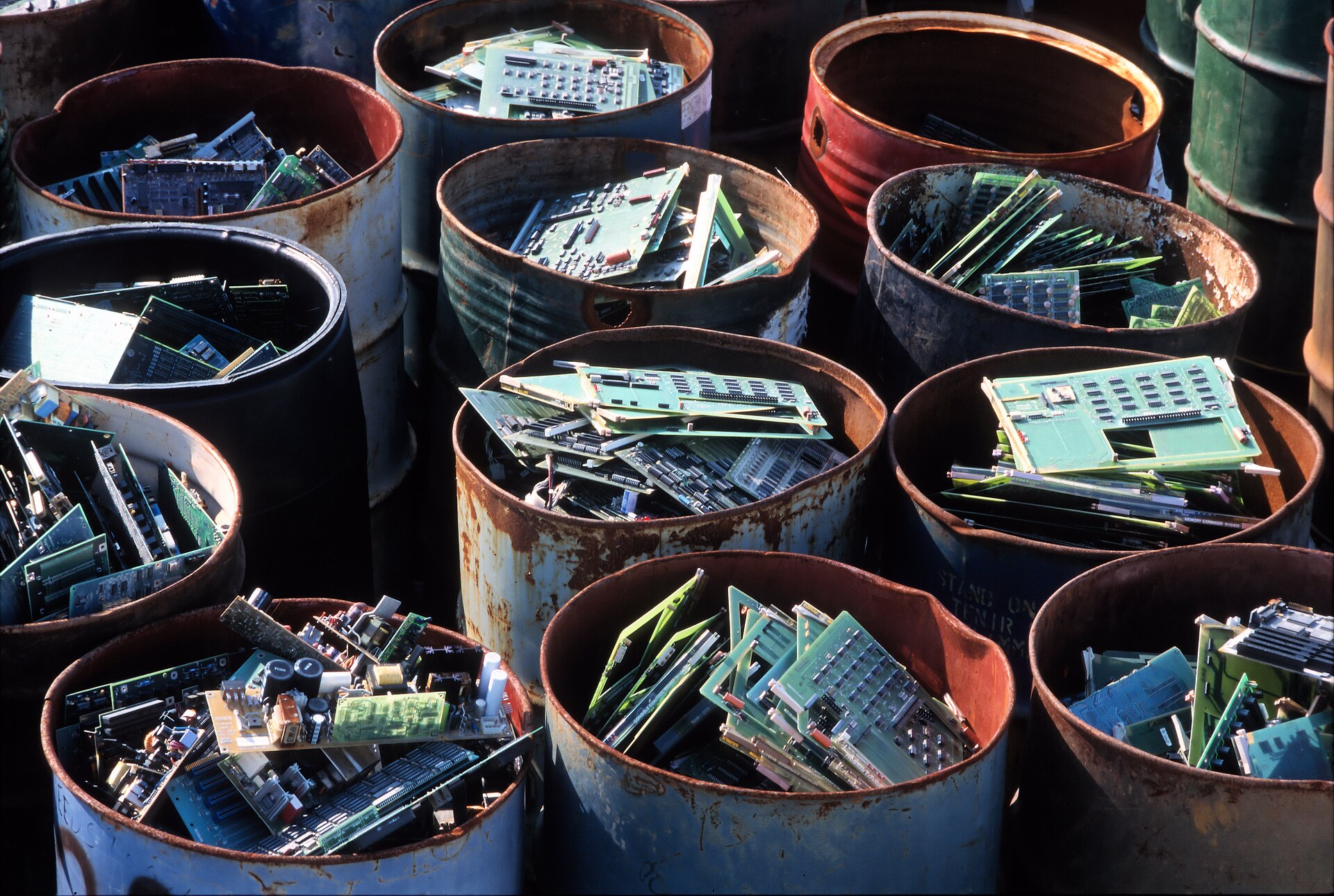
How to dispose of an old TV or computer
Find the right reuse, take-back or e-waste route for a TV, monitor or computer without guessing.
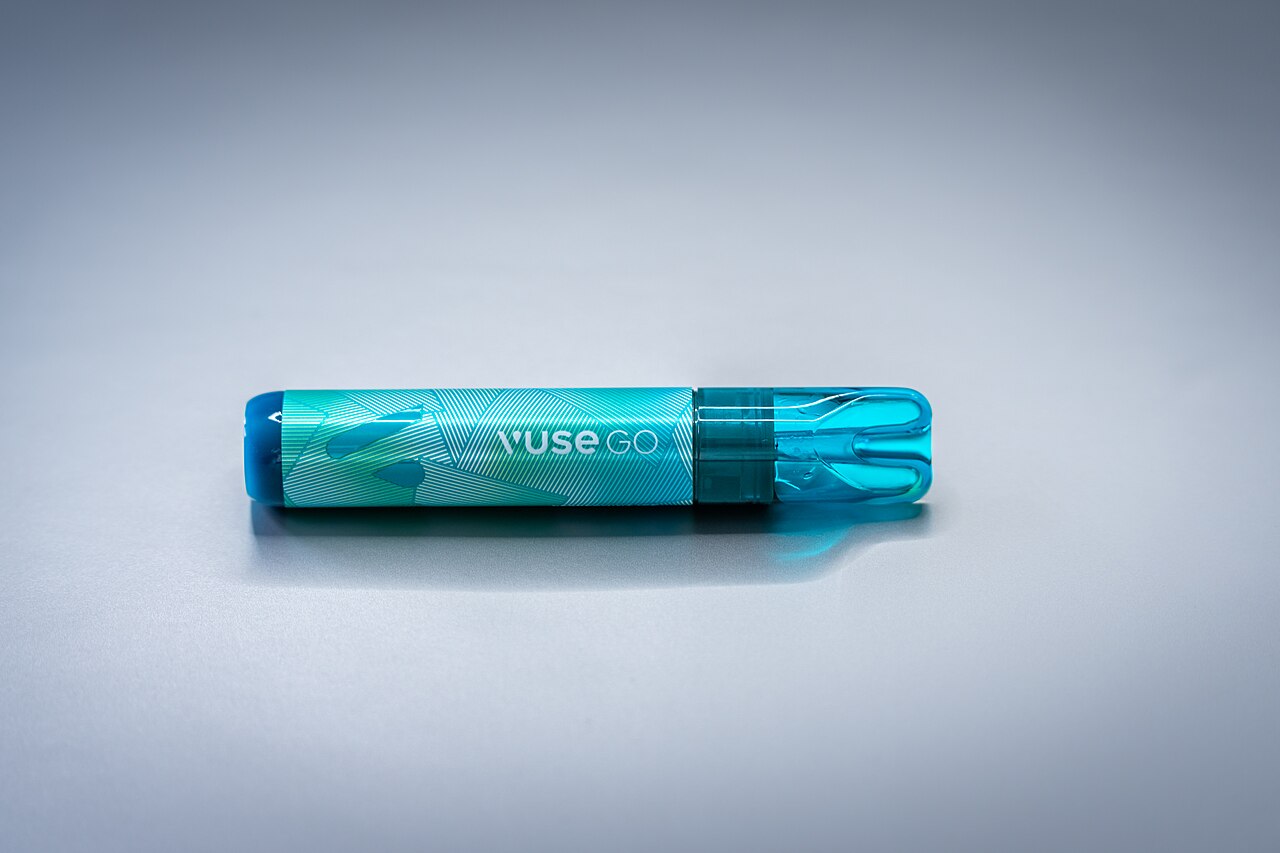
How to dispose of vapes and e-cigarettes safely
Vapes never go in the trash or the recycling cart. Take them to a household hazardous waste site.
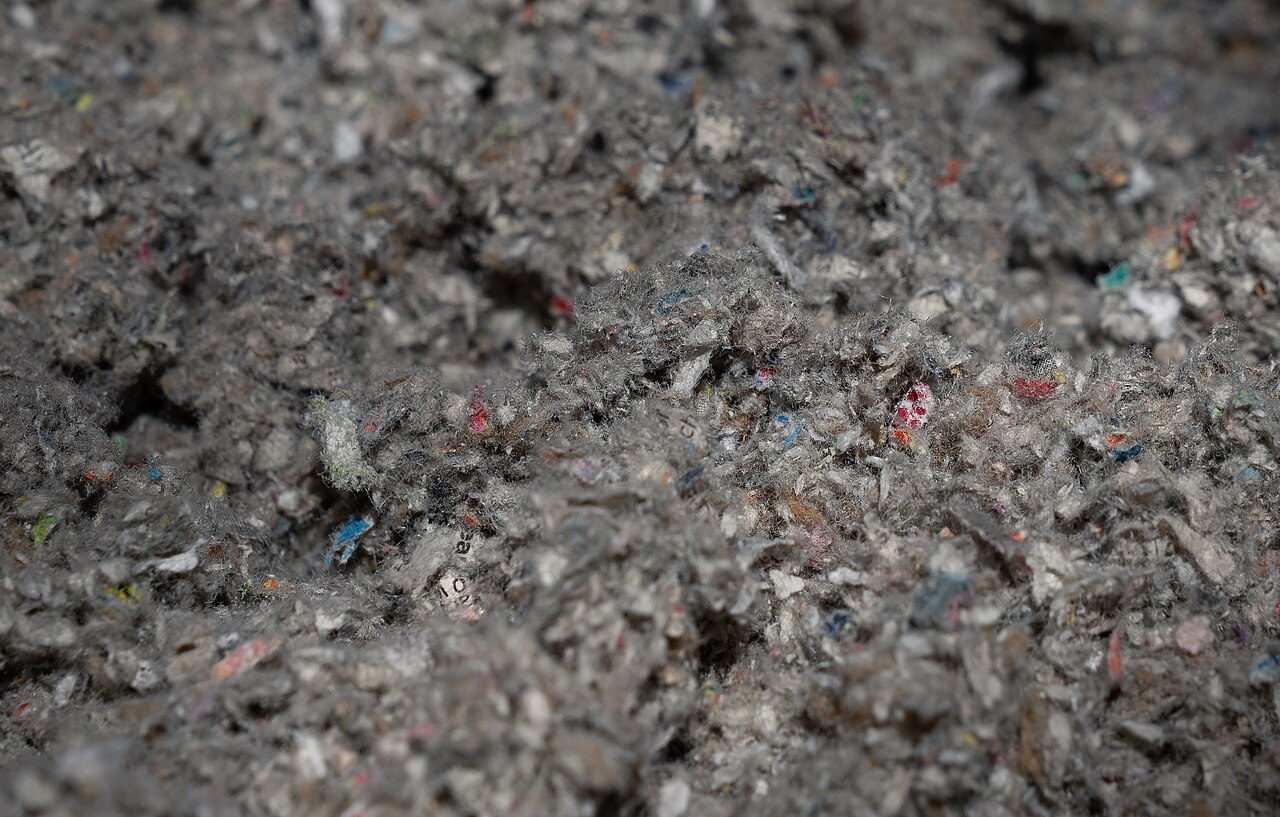
How to dispose of shredded paper: bag, compost or trash
Shredded paper is too small for most sorting lines. Some cities want it bagged, some compost it, some say trash.
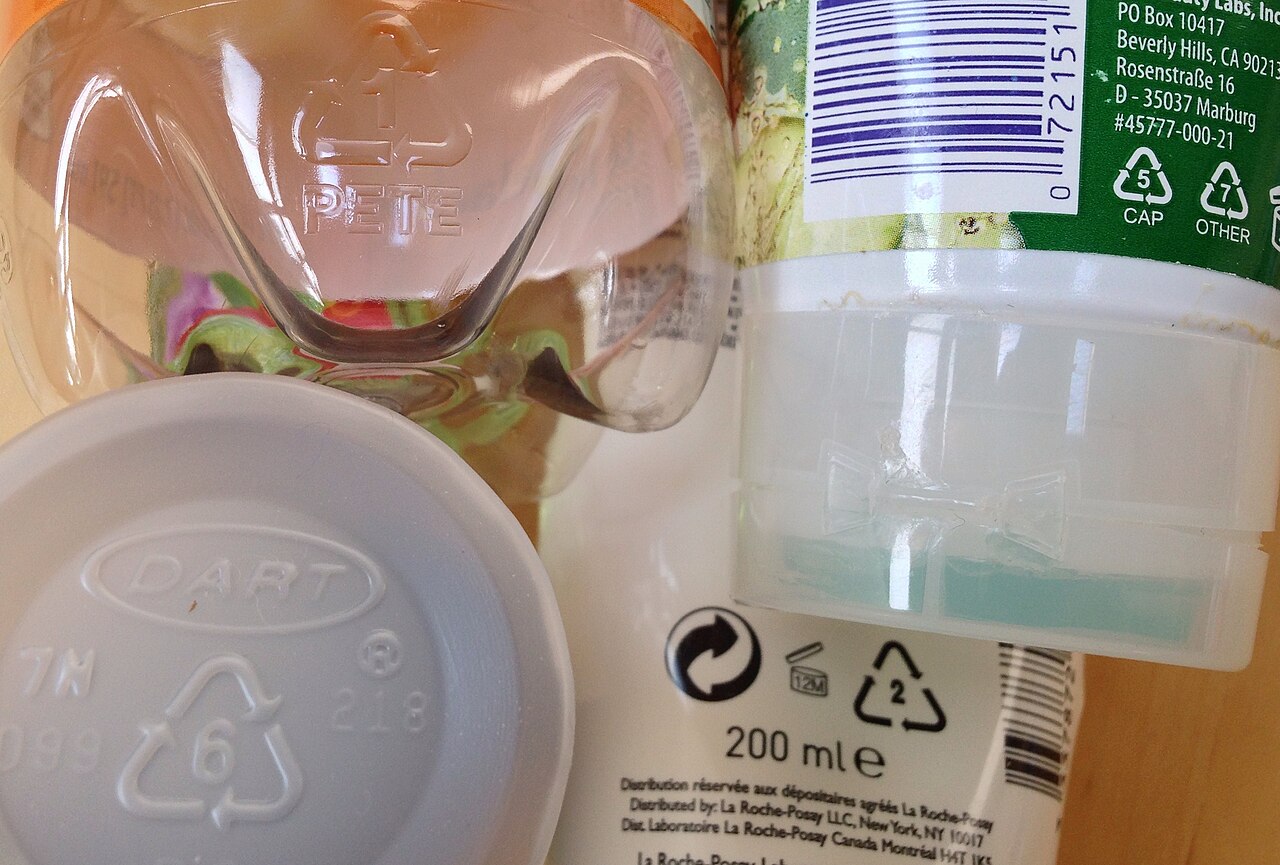
Plastic recycling numbers 1 to 7: what your city takes
Plastic recycling numbers 1 to 7 name the resin, not your city's rule. How Denver, Austin and Seattle sort plastics.
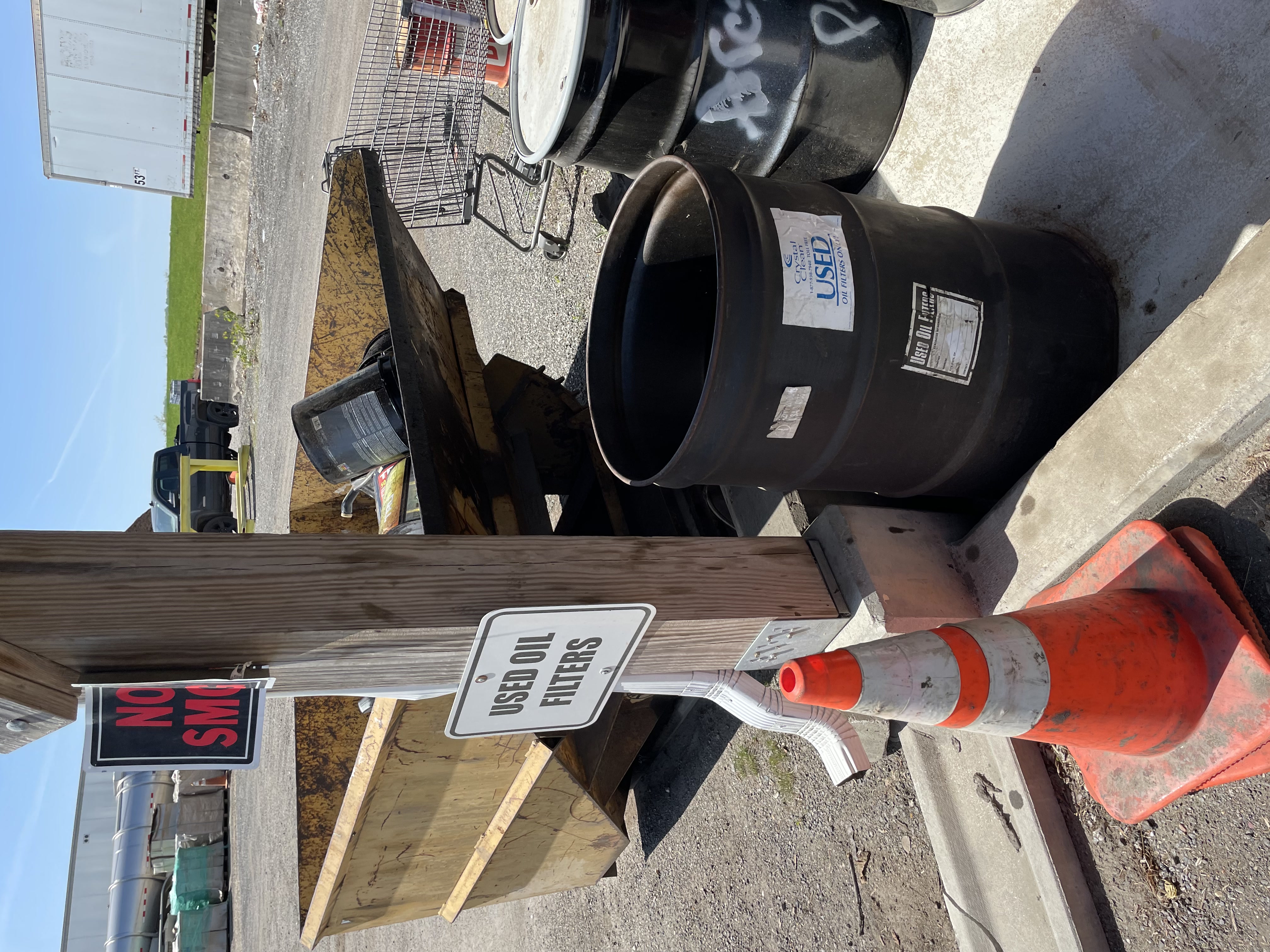
How to dispose of used motor oil and filters
How to dispose of used motor oil: separate containers, local recycling and oil-filter rules.
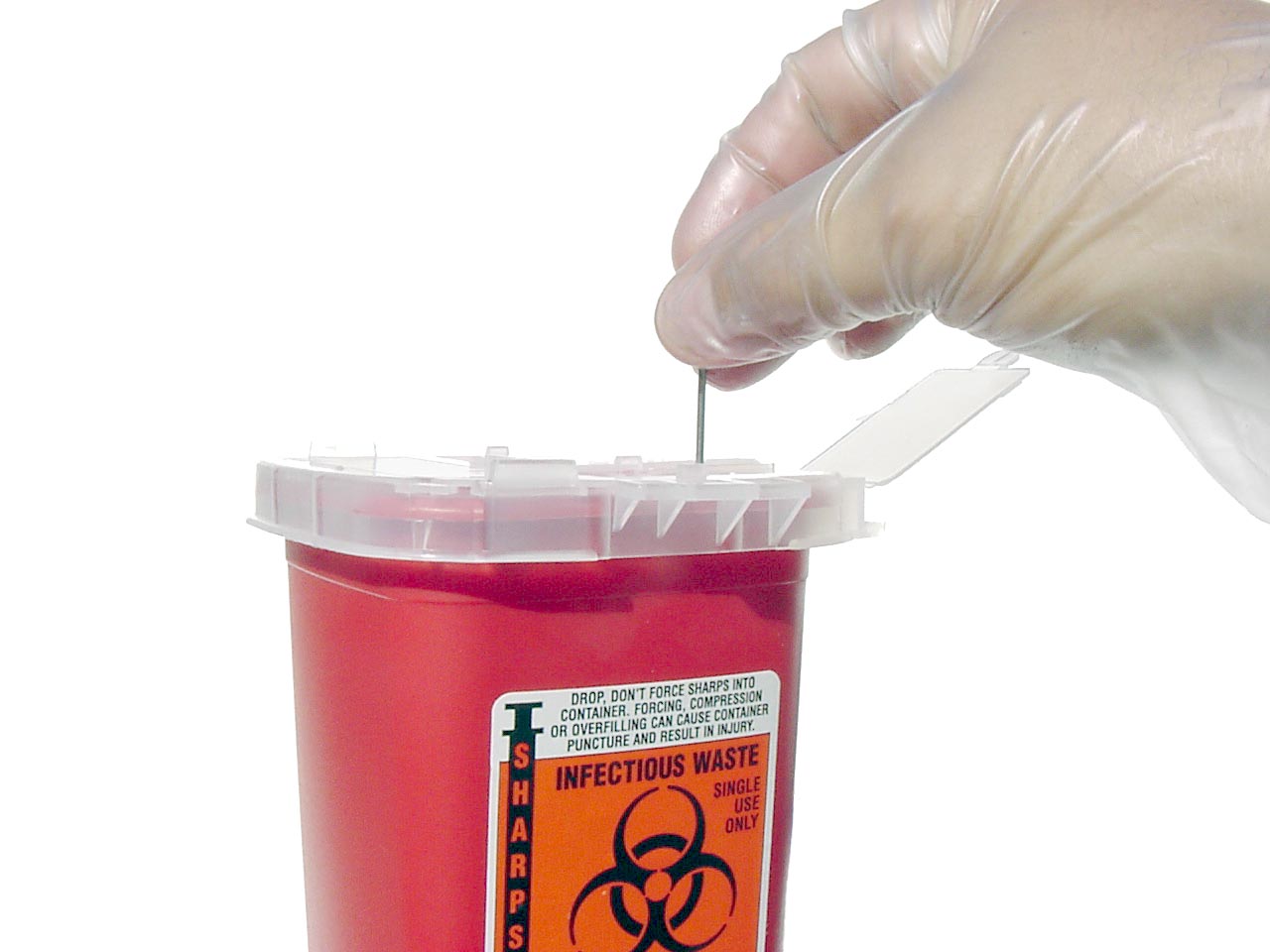
How to dispose of needles and sharps safely
How to dispose of needles and sharps: safe containers, local drop boxes and mail-back rules.
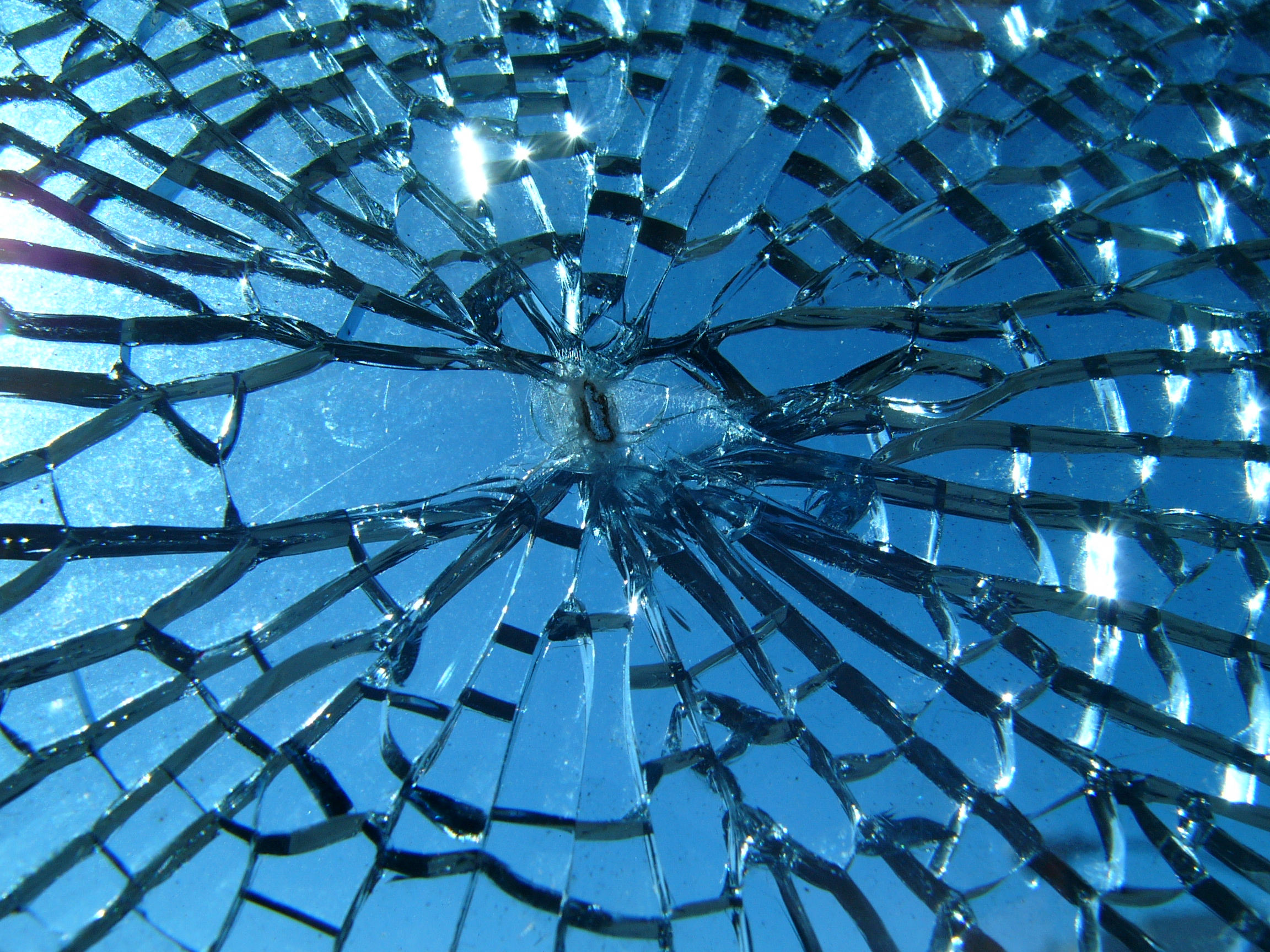
How to Dispose of Broken Glass Safely
How to dispose of broken glass: local packaging rules for shards, bottles, mirrors and windows.
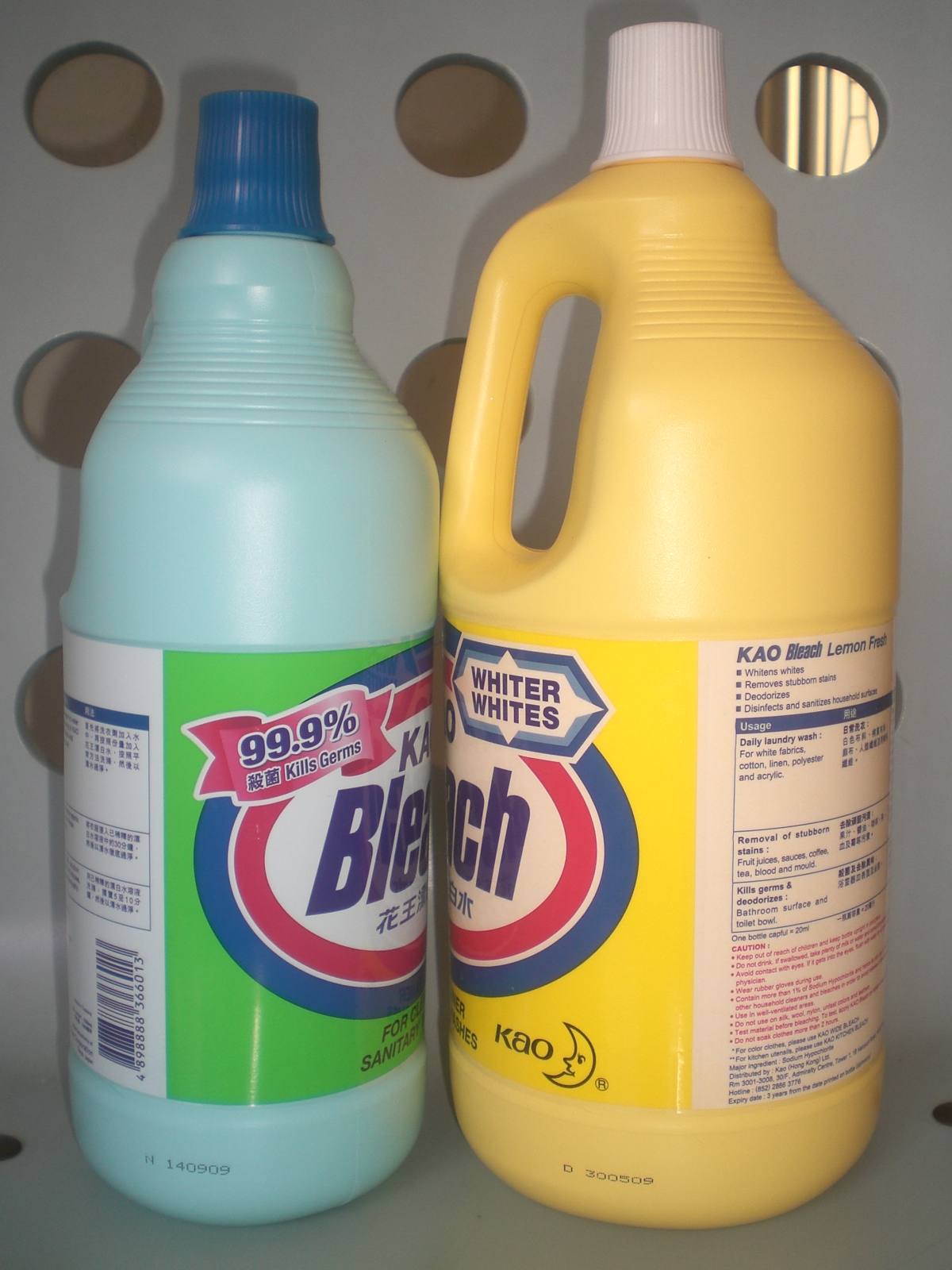
How to dispose of acetone and bleach
Keep chemical leftovers separate, then check your local hazardous-waste program's products and limits.
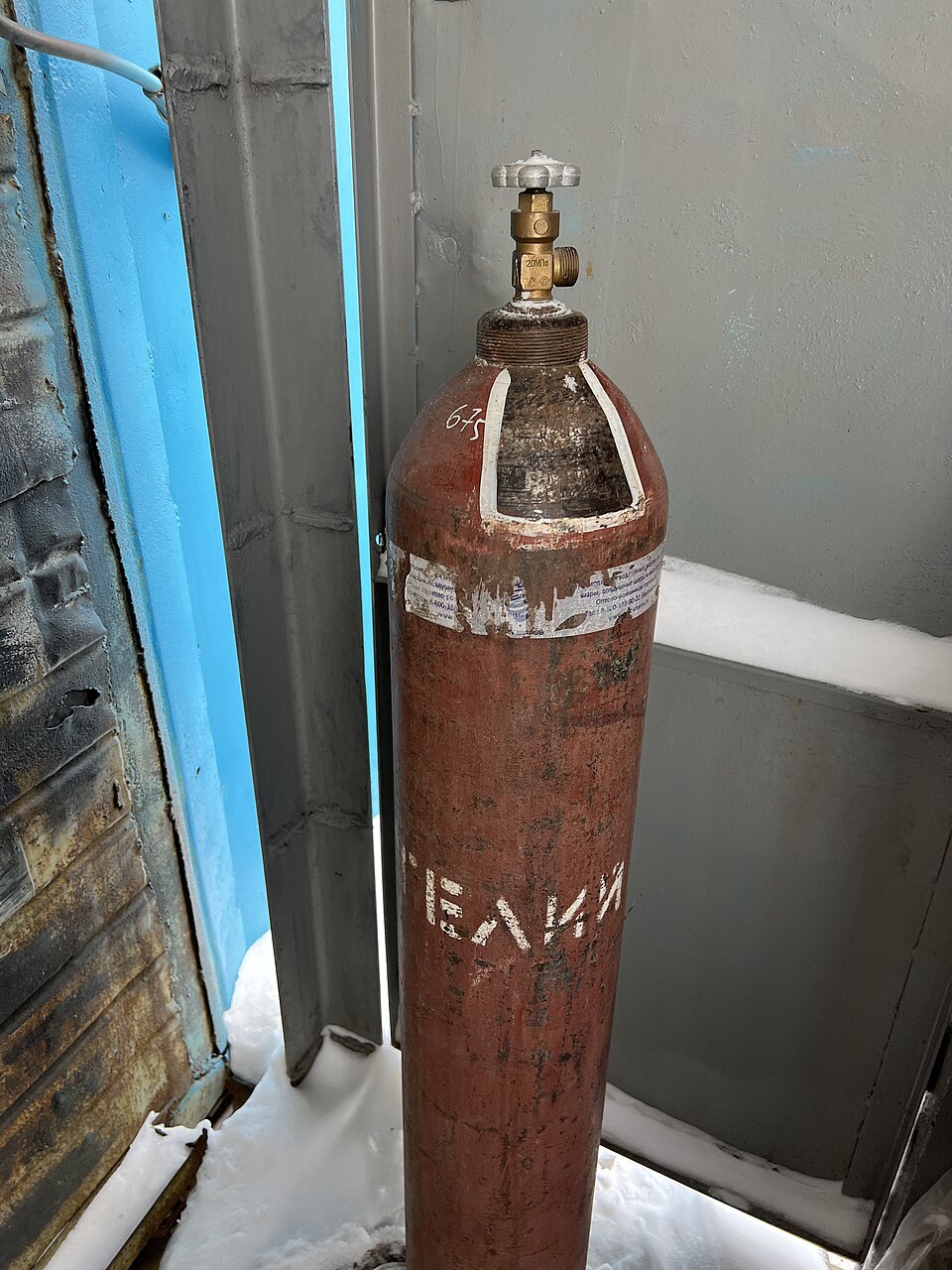
How to dispose of helium tanks: empty first, then scrap
An empty party helium tank never goes in a cart. Houston, San Francisco and Honolulu each send it to a drop-off site.
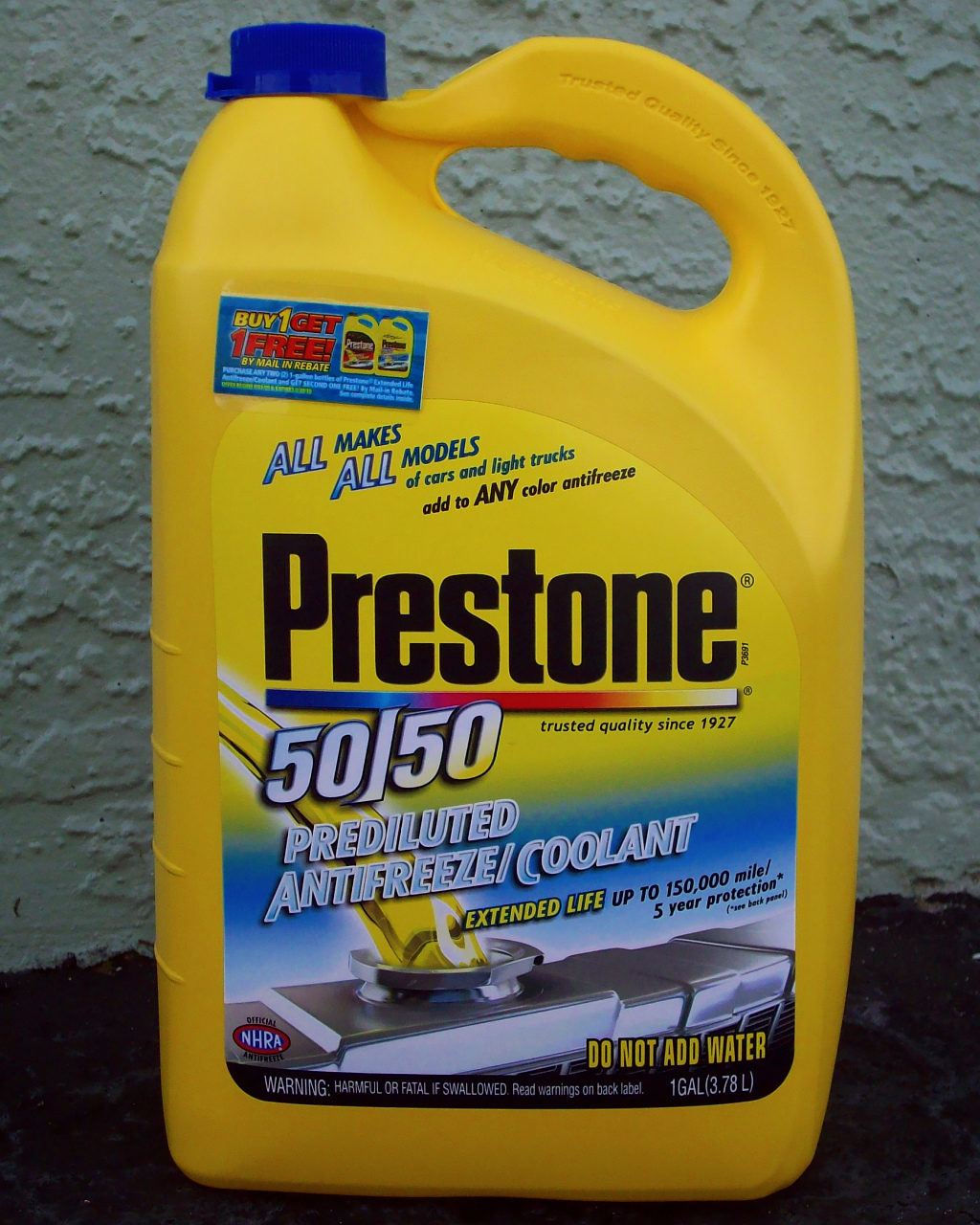
How to dispose of antifreeze: never the drain or the ground
Antifreeze never goes down a drain or in the cart. Seattle, Knoxville and Philadelphia take it at hazardous waste sites.
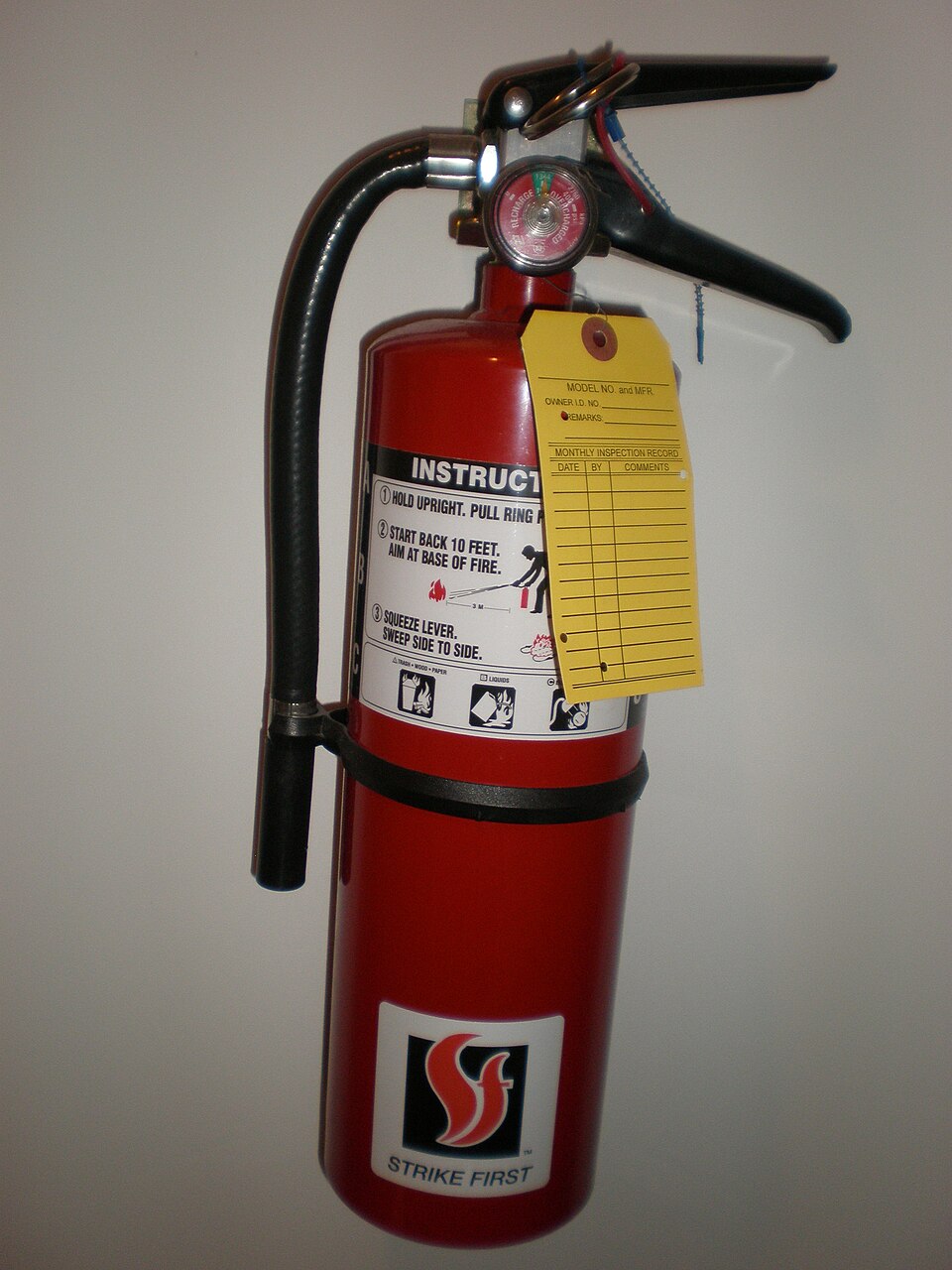
How to dispose of a fire extinguisher: full or empty
A charged fire extinguisher never goes in a cart. Knoxville takes it free; Denver lists drop-offs and a scrap route.
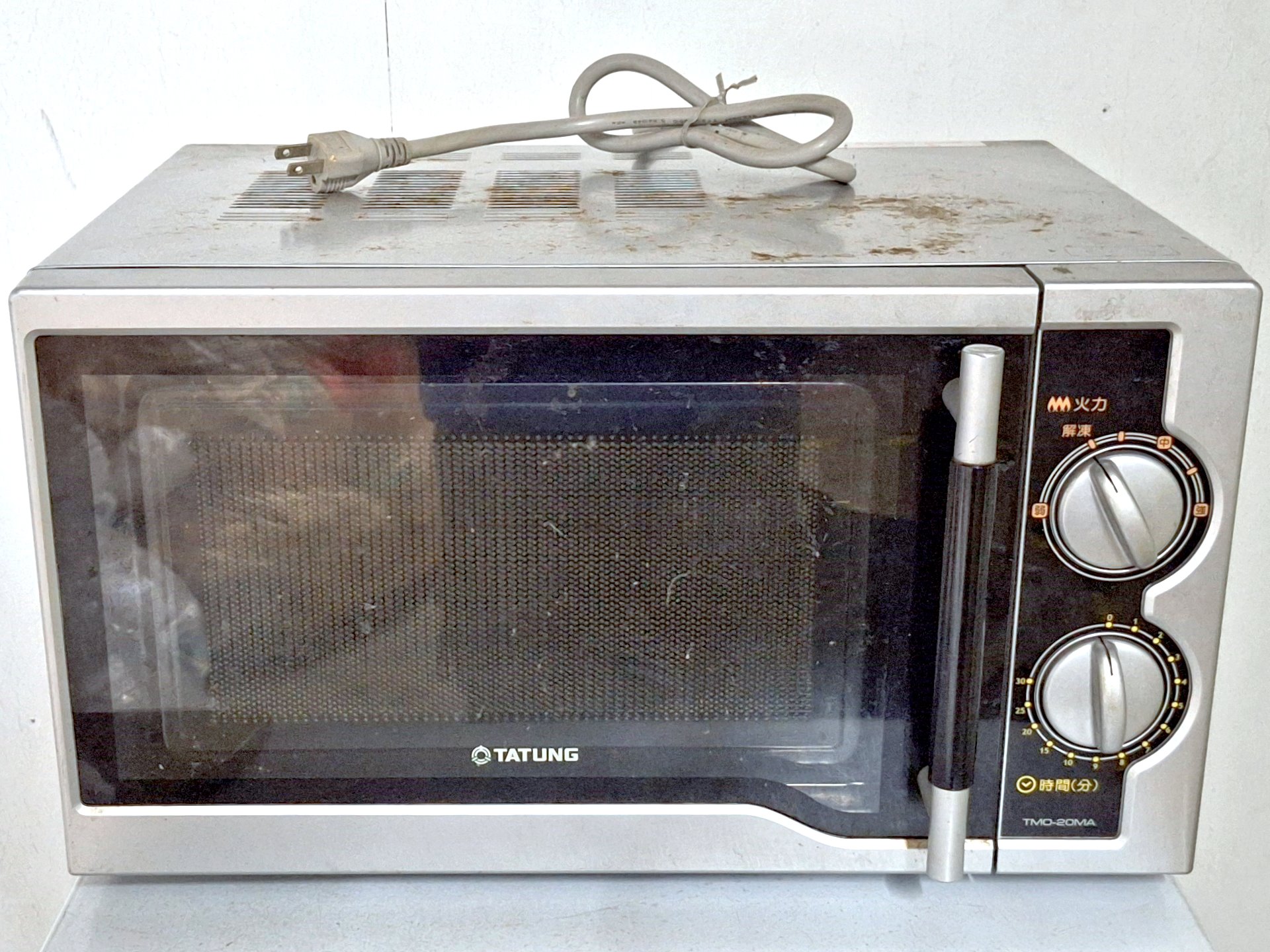
How to dispose of a microwave: bulk pickup or drop-off
No federal rule covers microwaves. Minnesota bans them from the trash; cities use bulk pickup or drop-off.
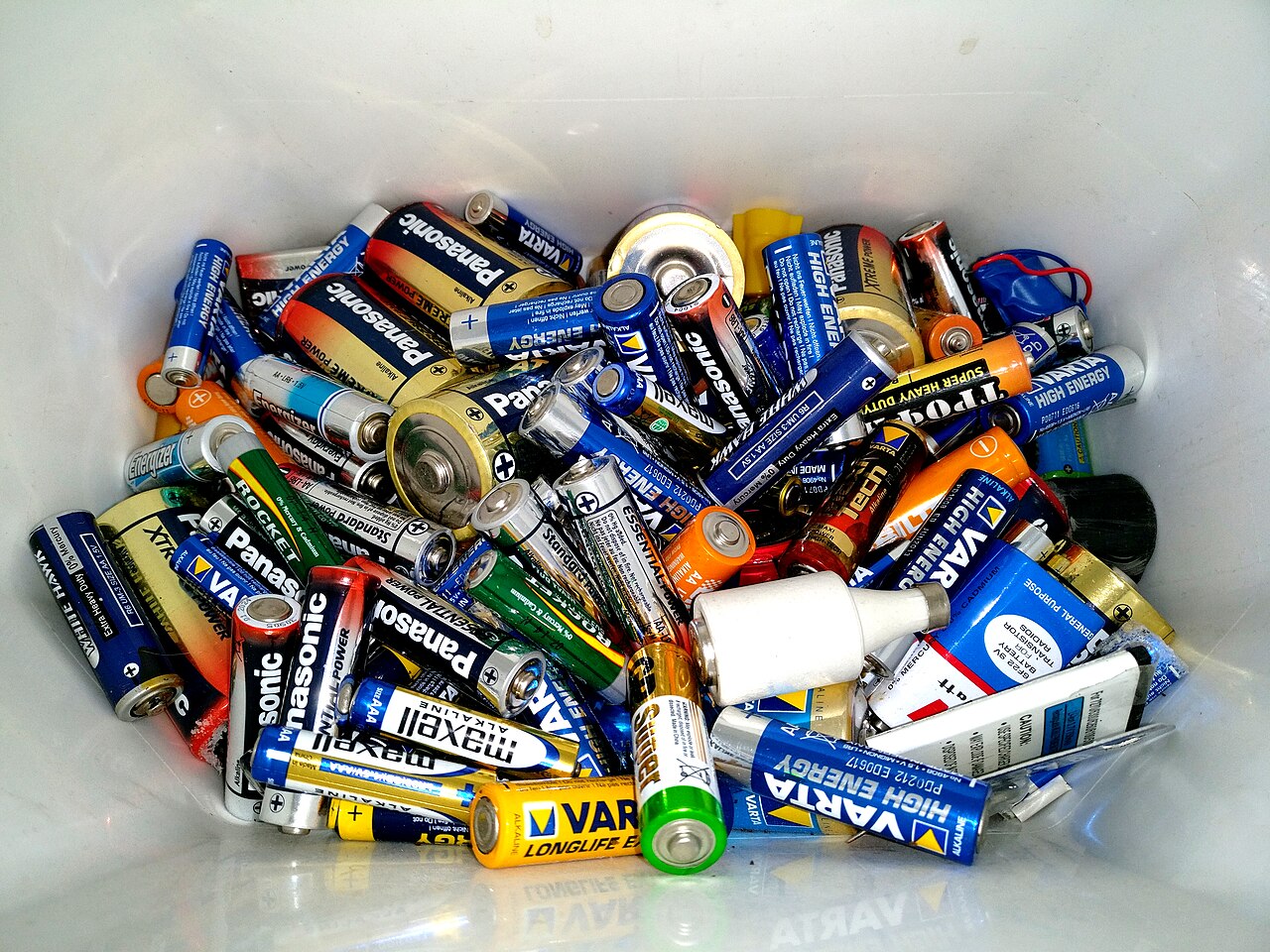
How to dispose of household batteries: AA to lithium
Alkaline batteries can go in the trash in most places. Rechargeable, lithium and button batteries never can.
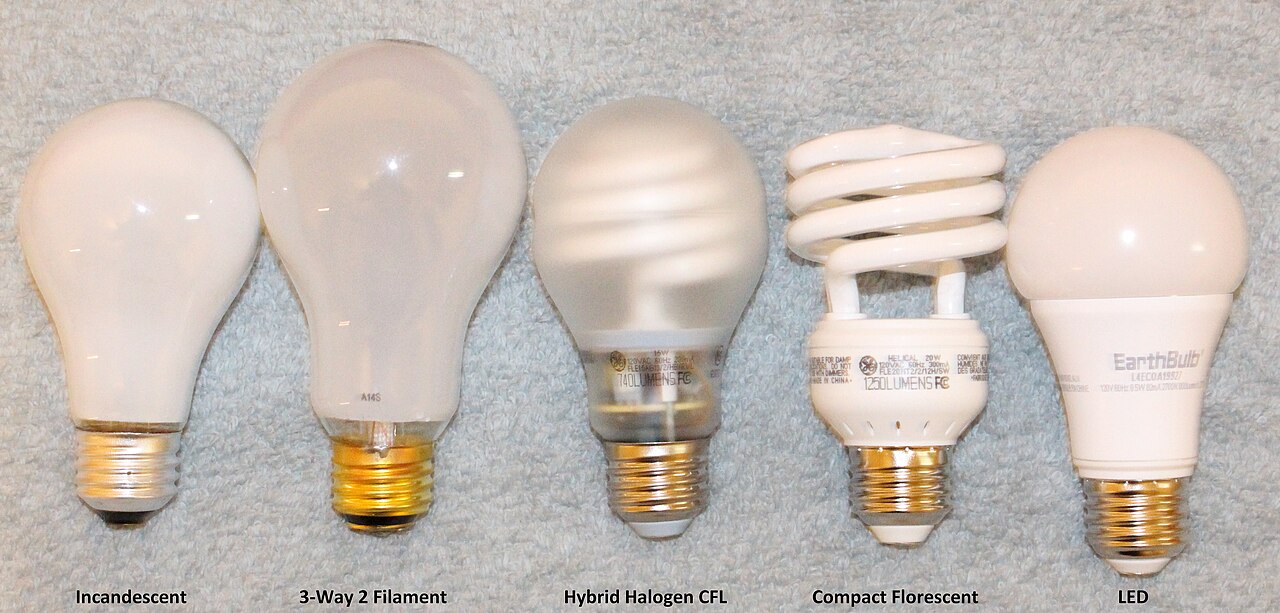
How to dispose of light bulbs: LED, CFL and fluorescent
LED and incandescent bulbs hold no mercury. CFLs and fluorescent tubes do, and need a separate path.
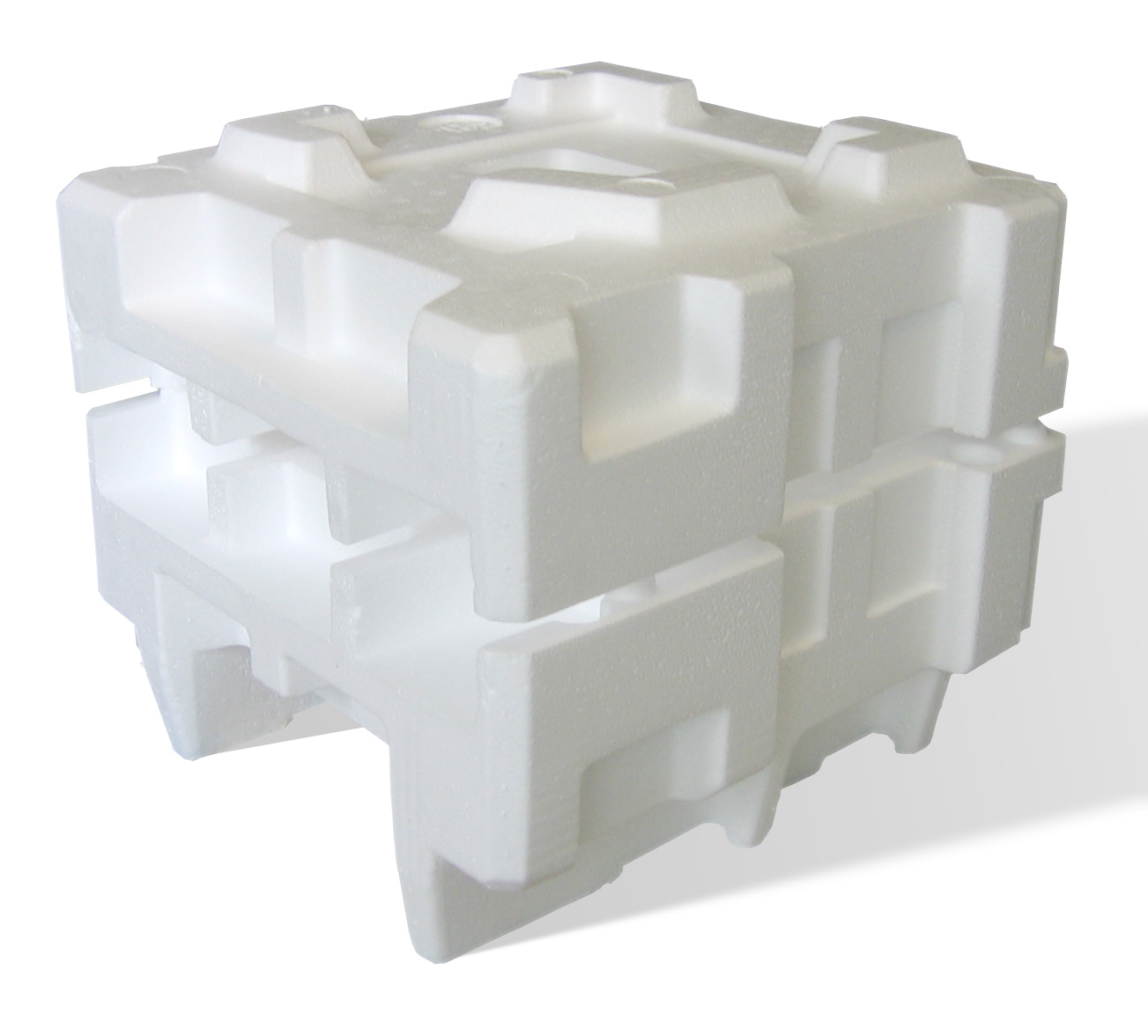
How to dispose of Styrofoam: is Styrofoam recyclable?
Foam almost never goes in the recycling cart. A few cities take clean foam blocks by pickup or drop-off.
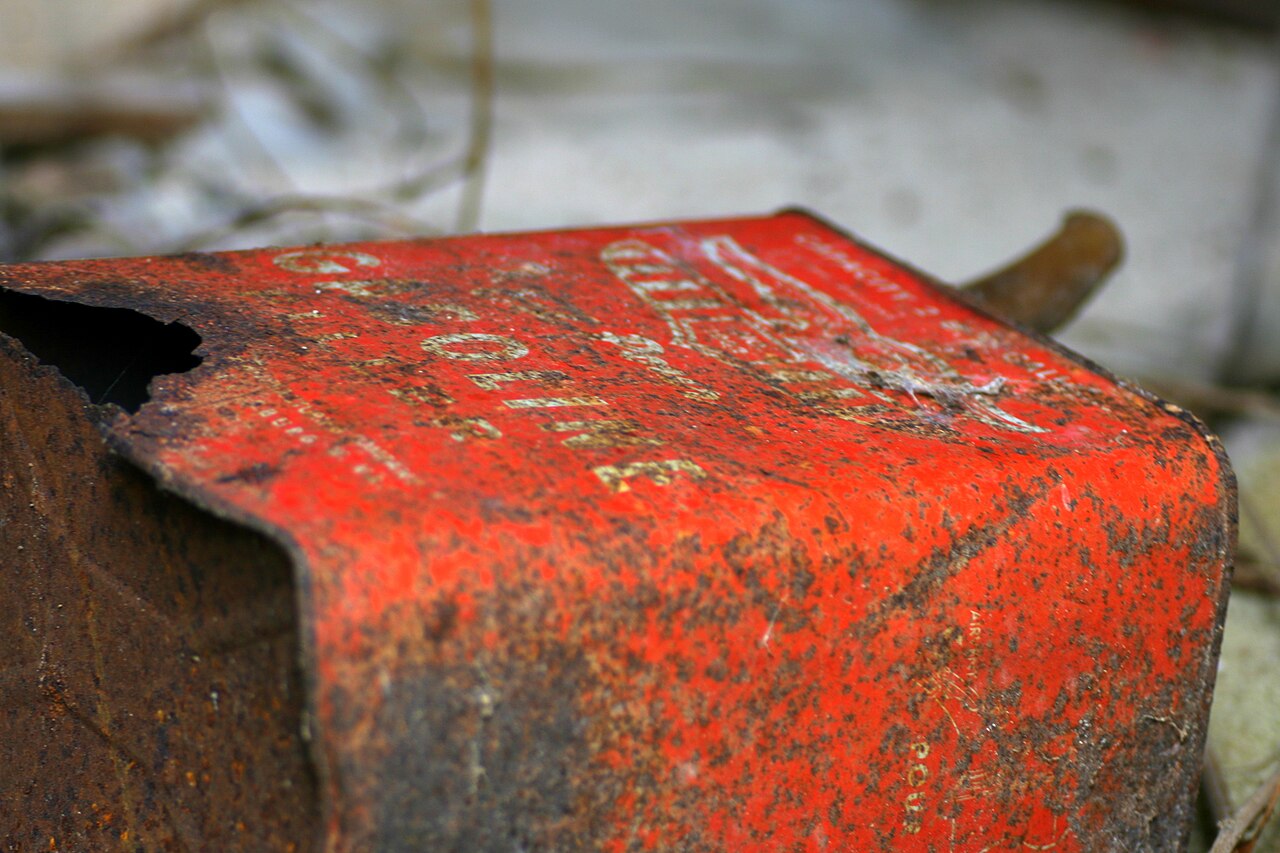
How to dispose of old gasoline: never the cart or drain
Seal it in a gas can and take it to hazardous waste collection. Old gasoline never goes in the cart or down a drain.
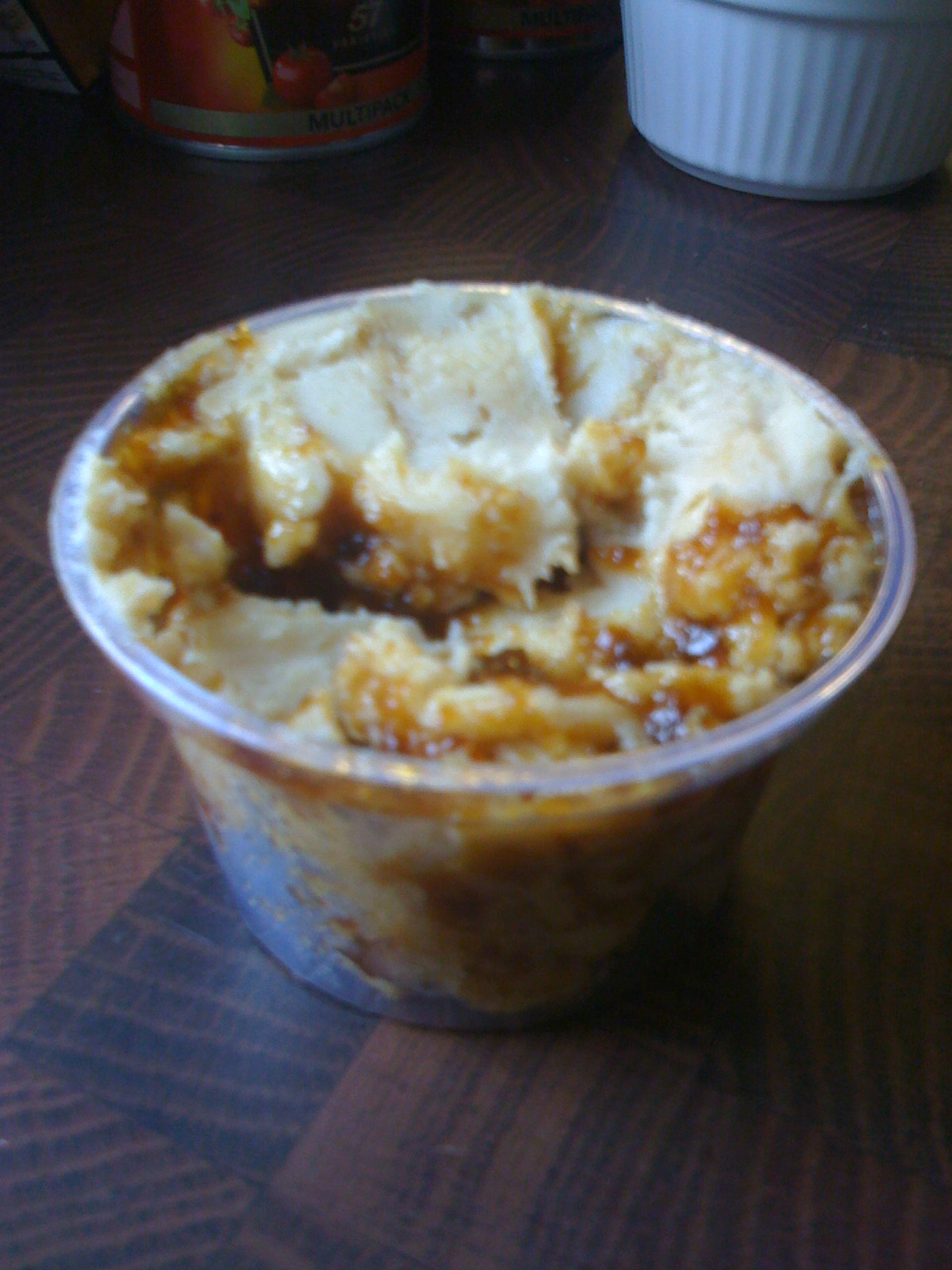
How to dispose of cooking oil and grease: never the drain
Cool it, seal it, then trash it or take it to a drop-off. Cooking oil and grease never go down the drain.
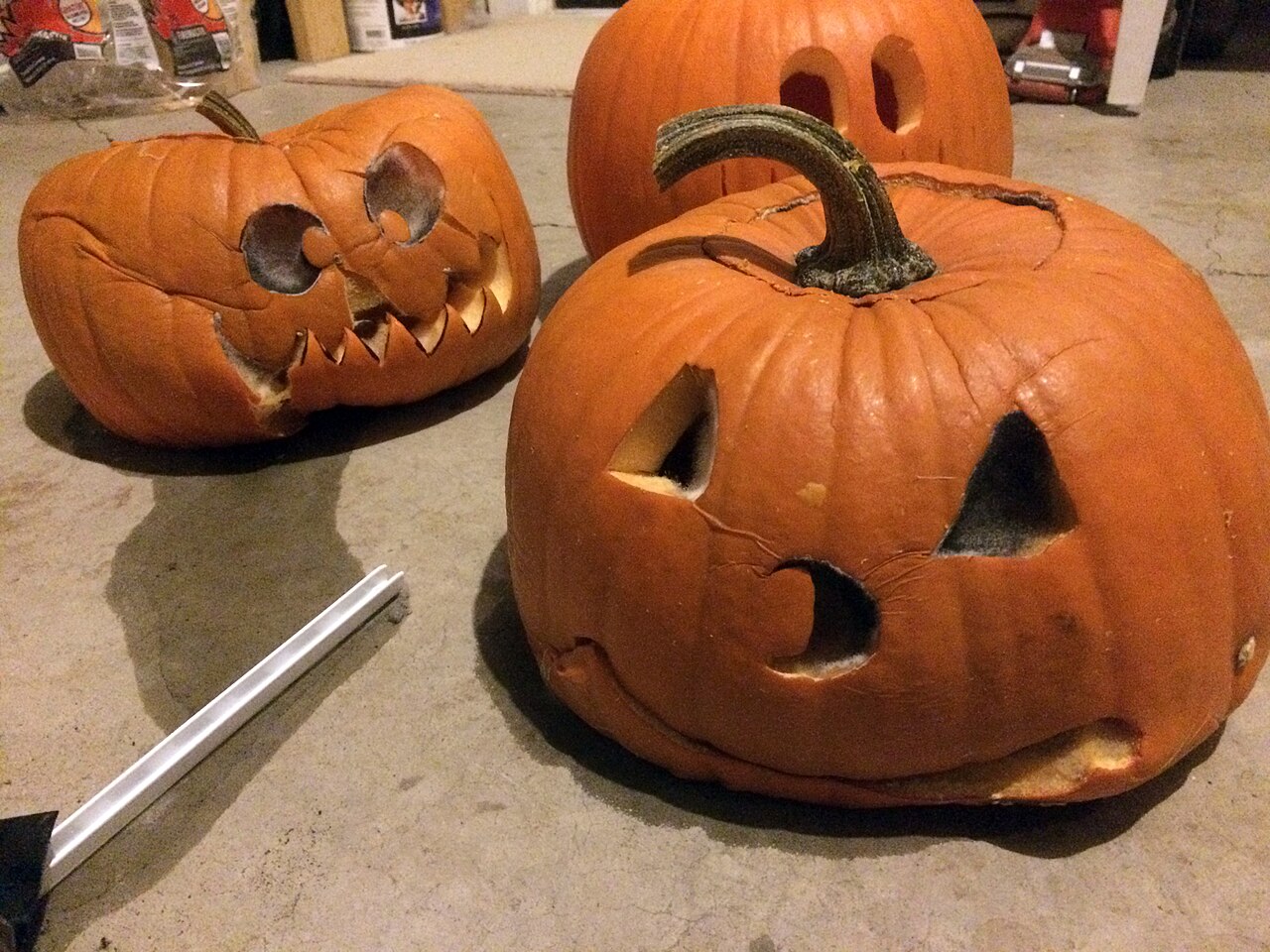
Pumpkin disposal after Halloween: compost cart, drop-off or trash
Compost cart, yard waste site or pumpkin smash: where a Halloween pumpkin goes, and what to remove first.
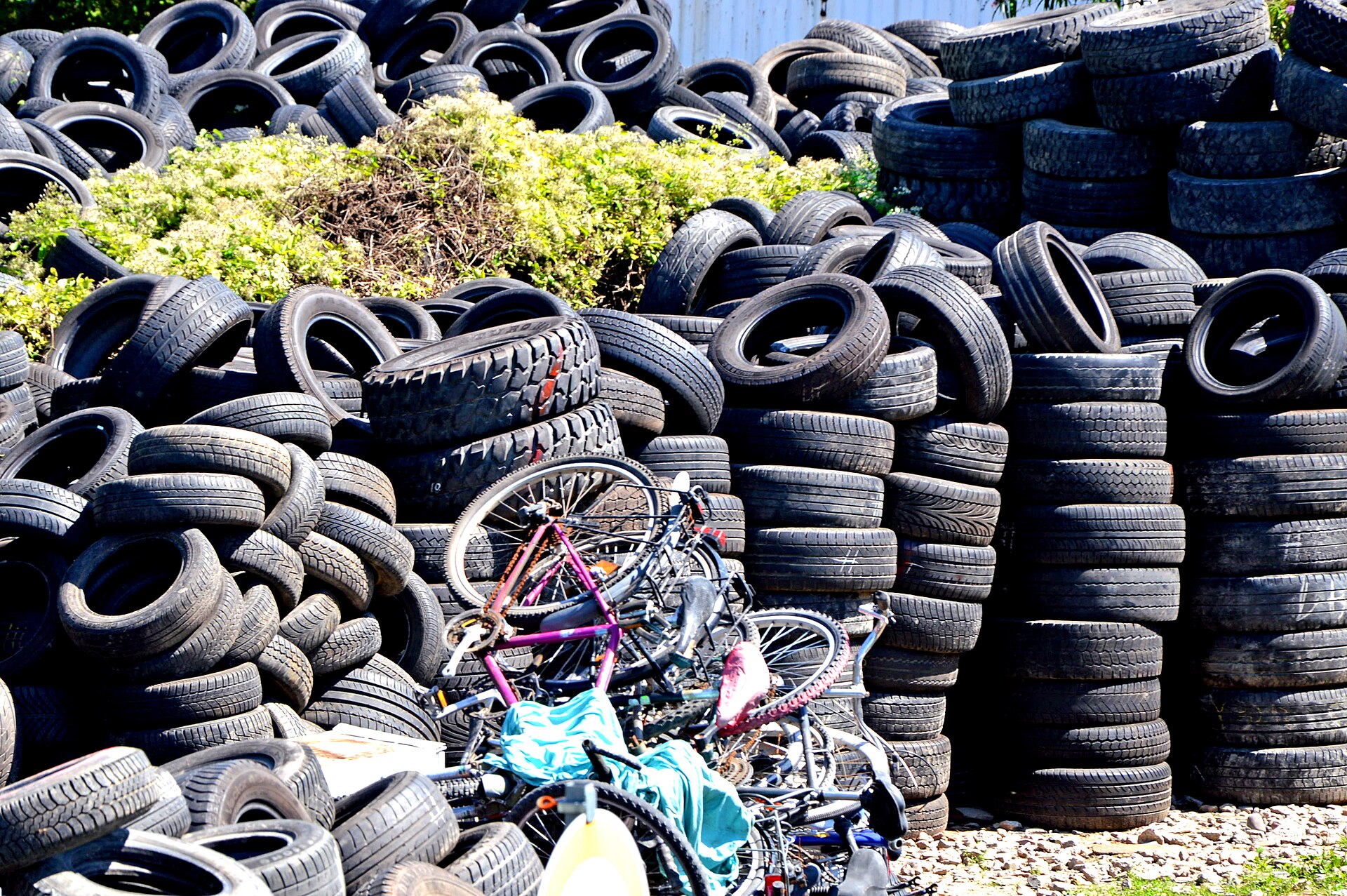
Tire disposal: a retailer or drop-off site, not the cart
Most states keep whole tires out of landfills. Old tires go back to the seller or to a local drop-off.
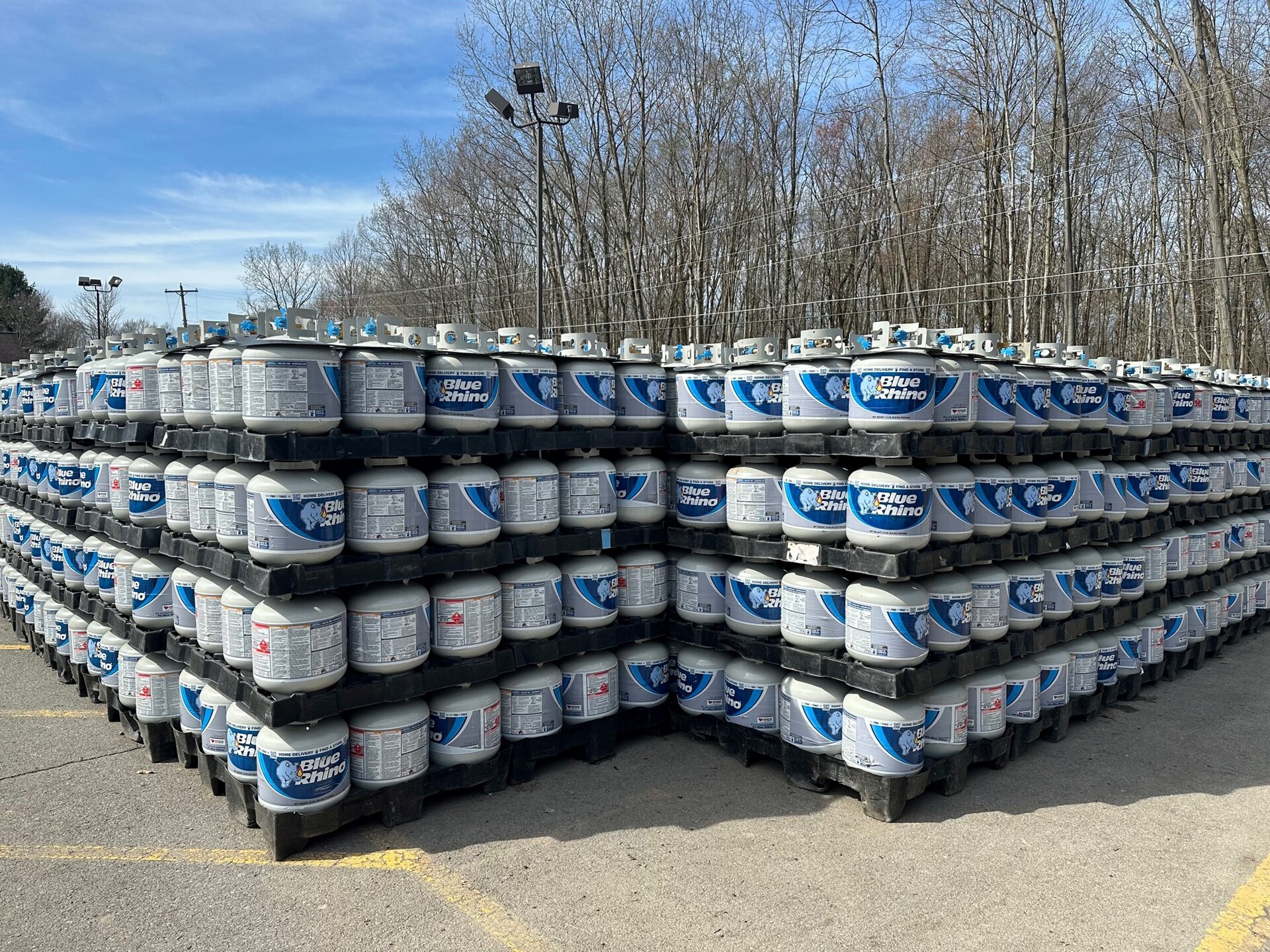
Aerosol cans and propane tanks: disposal, full or empty
Full aerosol cans and grill tanks stay out of the cart. Empty cans and camping cylinders follow the local rule.