
Hazardous waste and chemicals
Paint, solvents, cleaners, pesticides, aerosols and propane: leftovers for a collection site or event, not the cart.
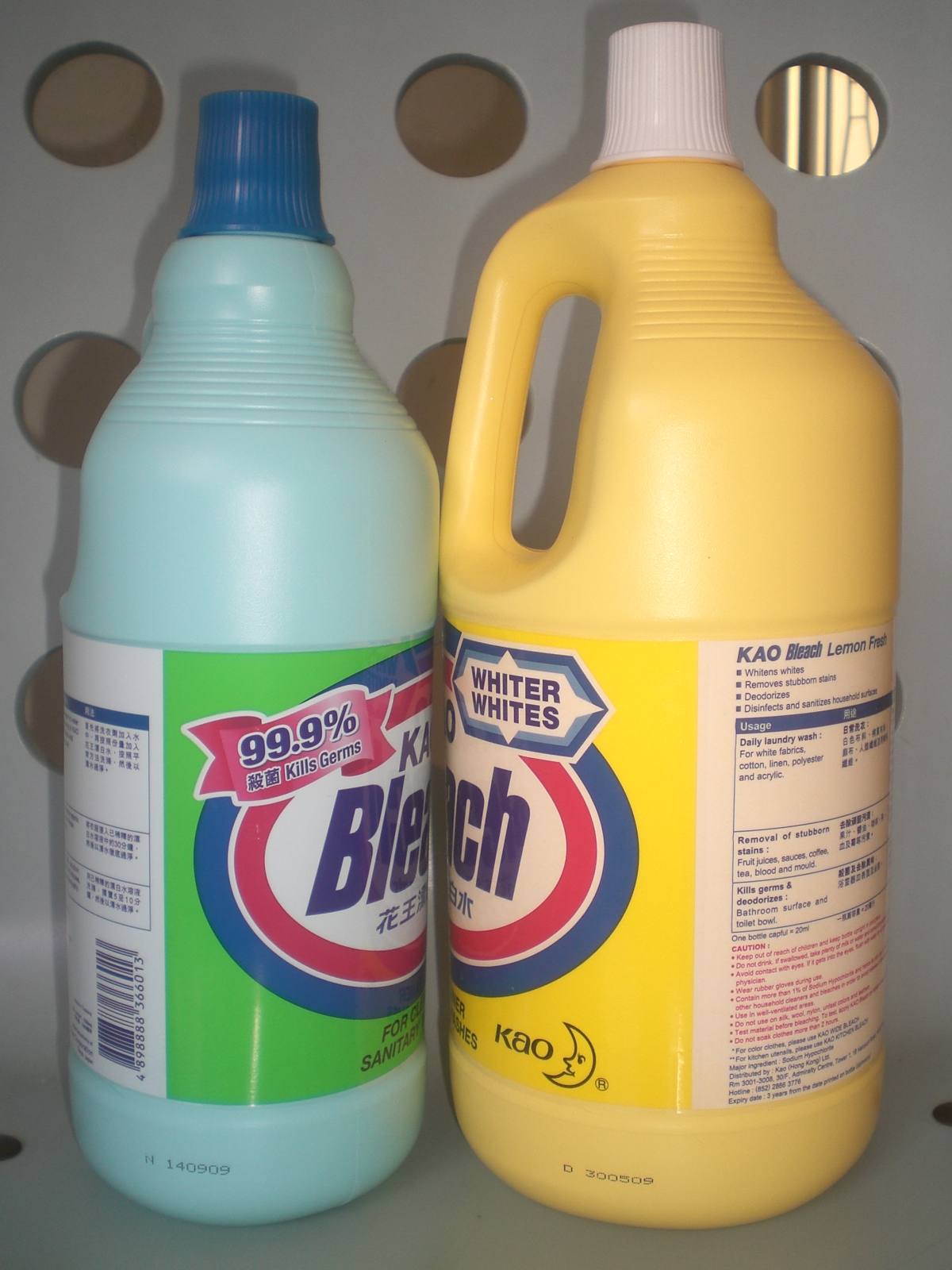
How to dispose of acetone and bleach
Keep chemical leftovers separate, then check your local hazardous-waste program's products and limits.
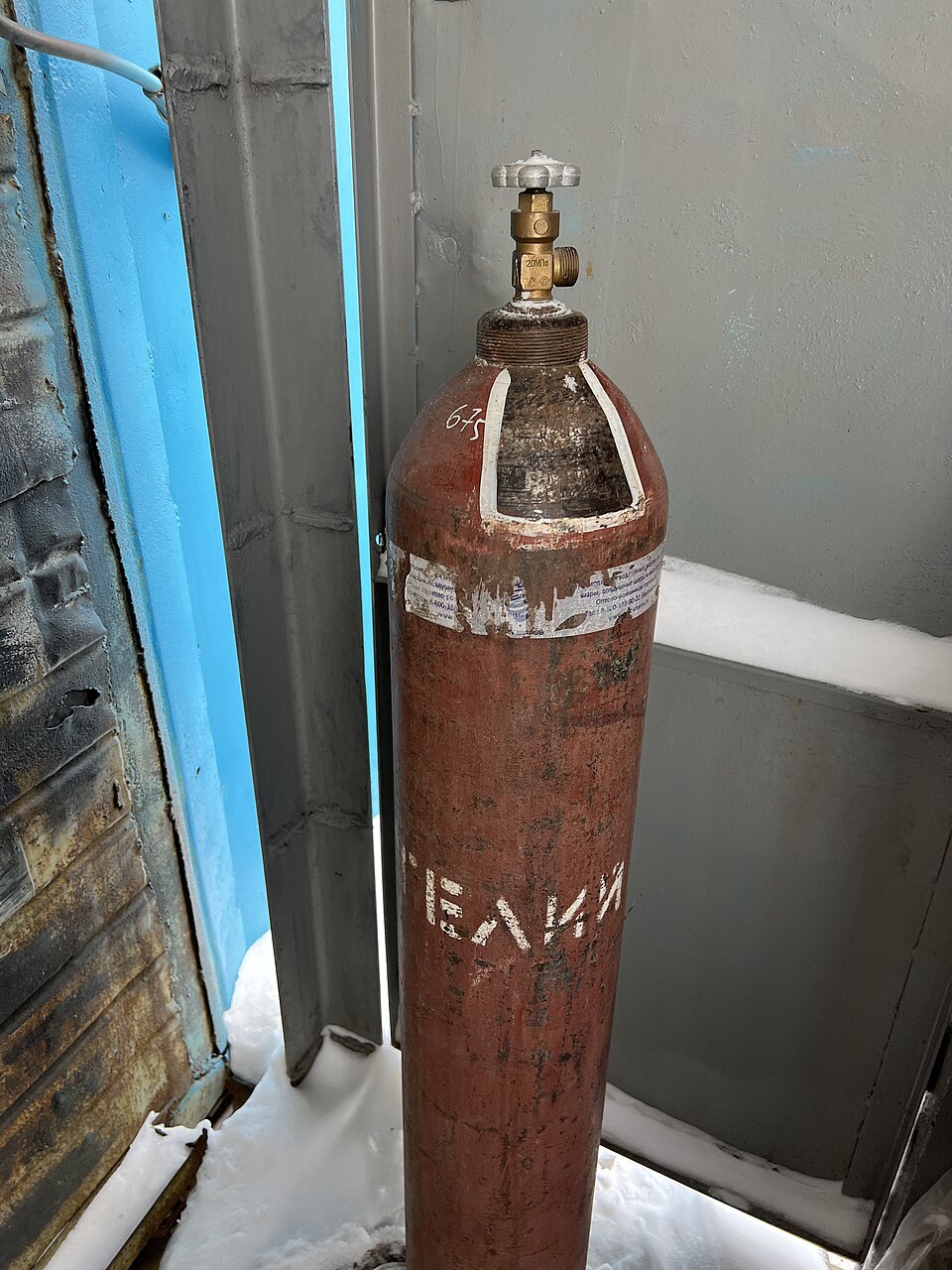
How to dispose of helium tanks: empty first, then scrap
An empty party helium tank never goes in a cart. Houston, San Francisco and Honolulu each send it to a drop-off site.
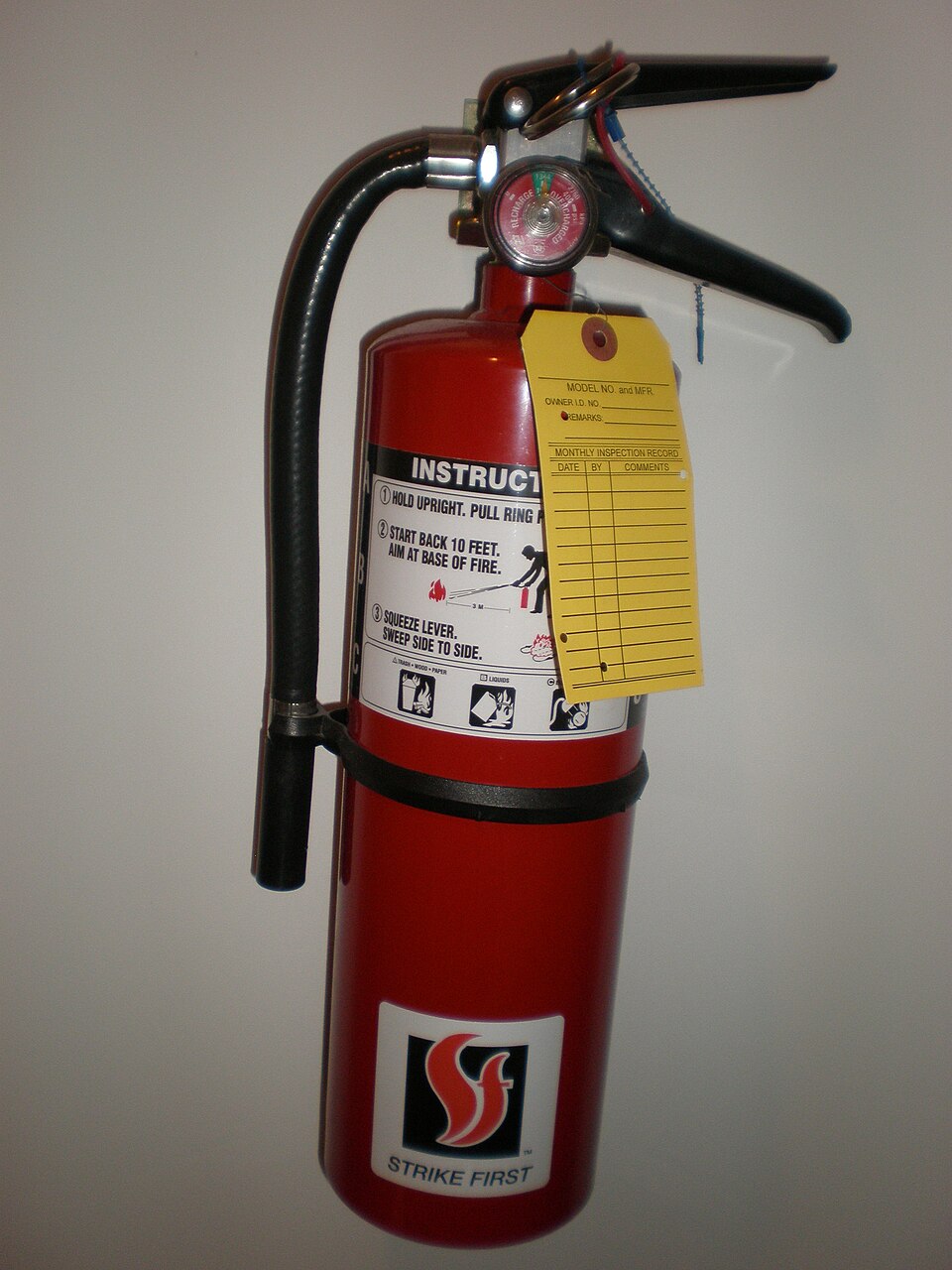
How to dispose of a fire extinguisher: full or empty
A charged fire extinguisher never goes in a cart. Knoxville takes it free; Denver lists drop-offs and a scrap route.
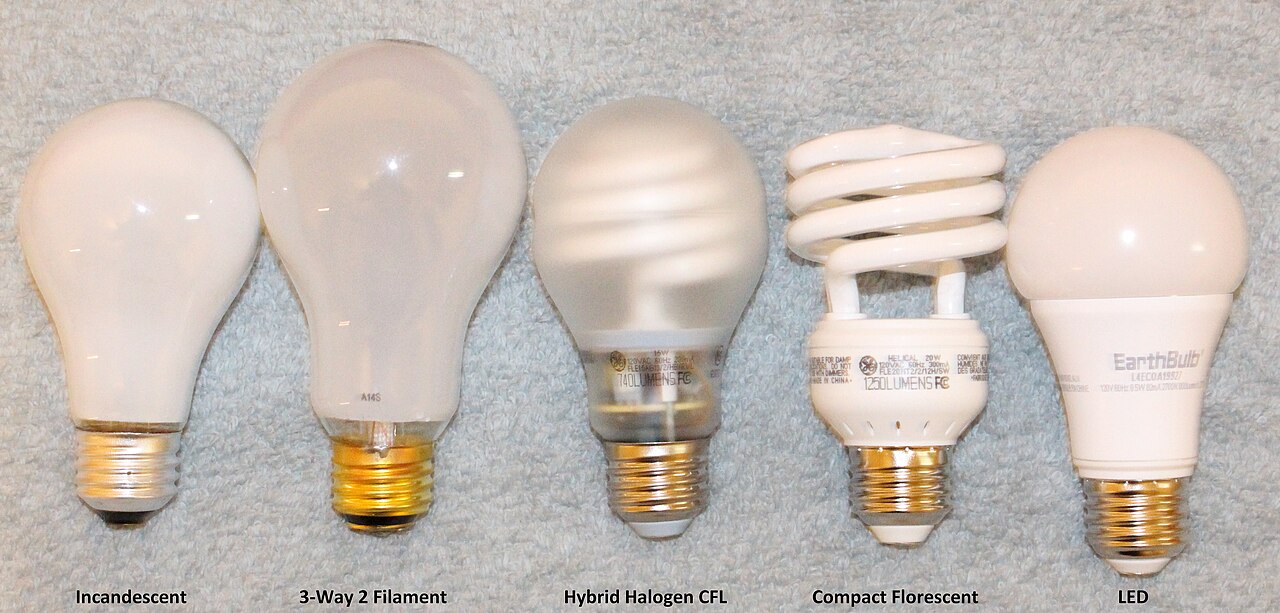
How to dispose of light bulbs: LED, CFL and fluorescent
LED and incandescent bulbs hold no mercury. CFLs and fluorescent tubes do, and need a separate path.
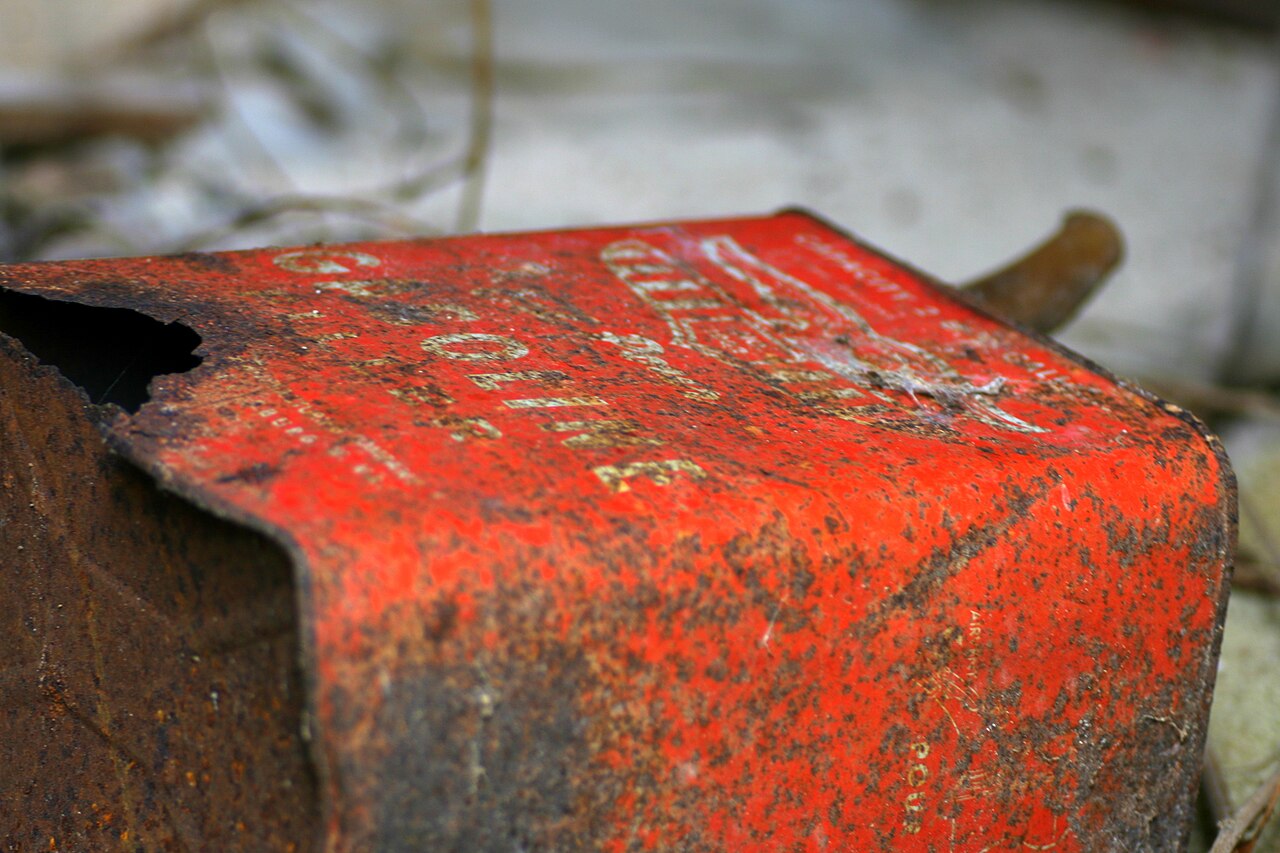
How to dispose of old gasoline: never the cart or drain
Seal it in a gas can and take it to hazardous waste collection. Old gasoline never goes in the cart or down a drain.
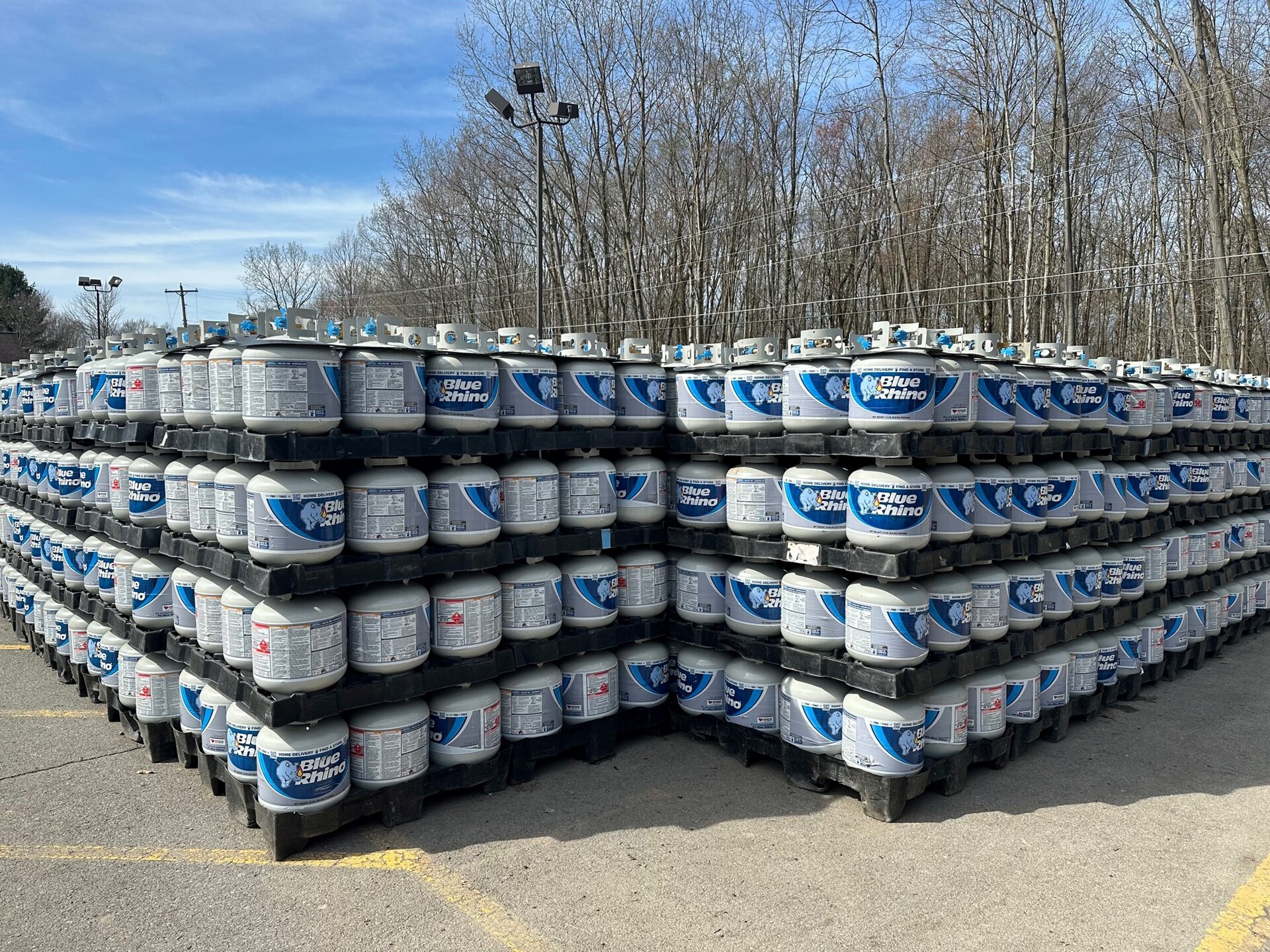
Aerosol cans and propane tanks: disposal, full or empty
Full aerosol cans and grill tanks stay out of the cart. Empty cans and camping cylinders follow the local rule.
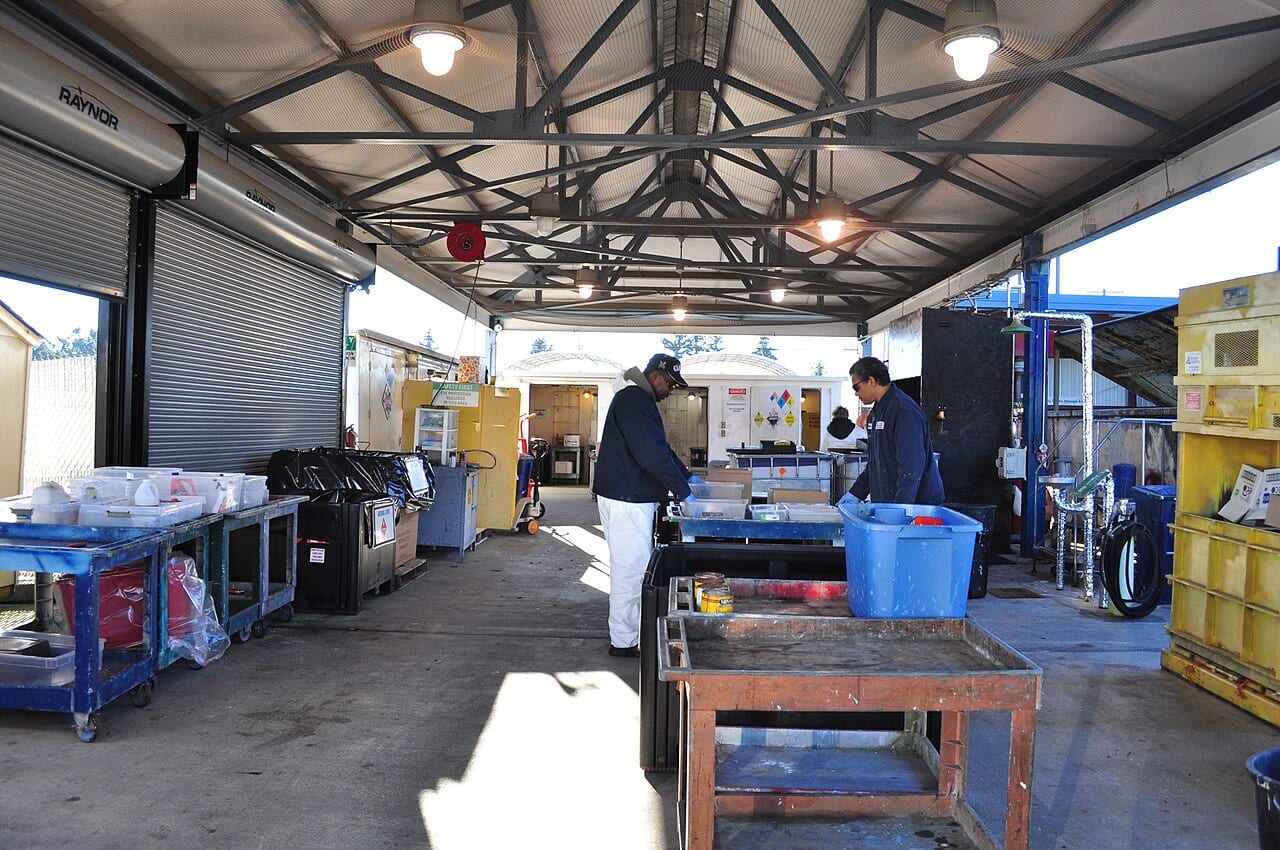
Household hazardous waste goes to a local collection, not the cart
Paints, cleaners, oils, batteries and pesticides do not go in the household cart. Use the local HHW site or event.
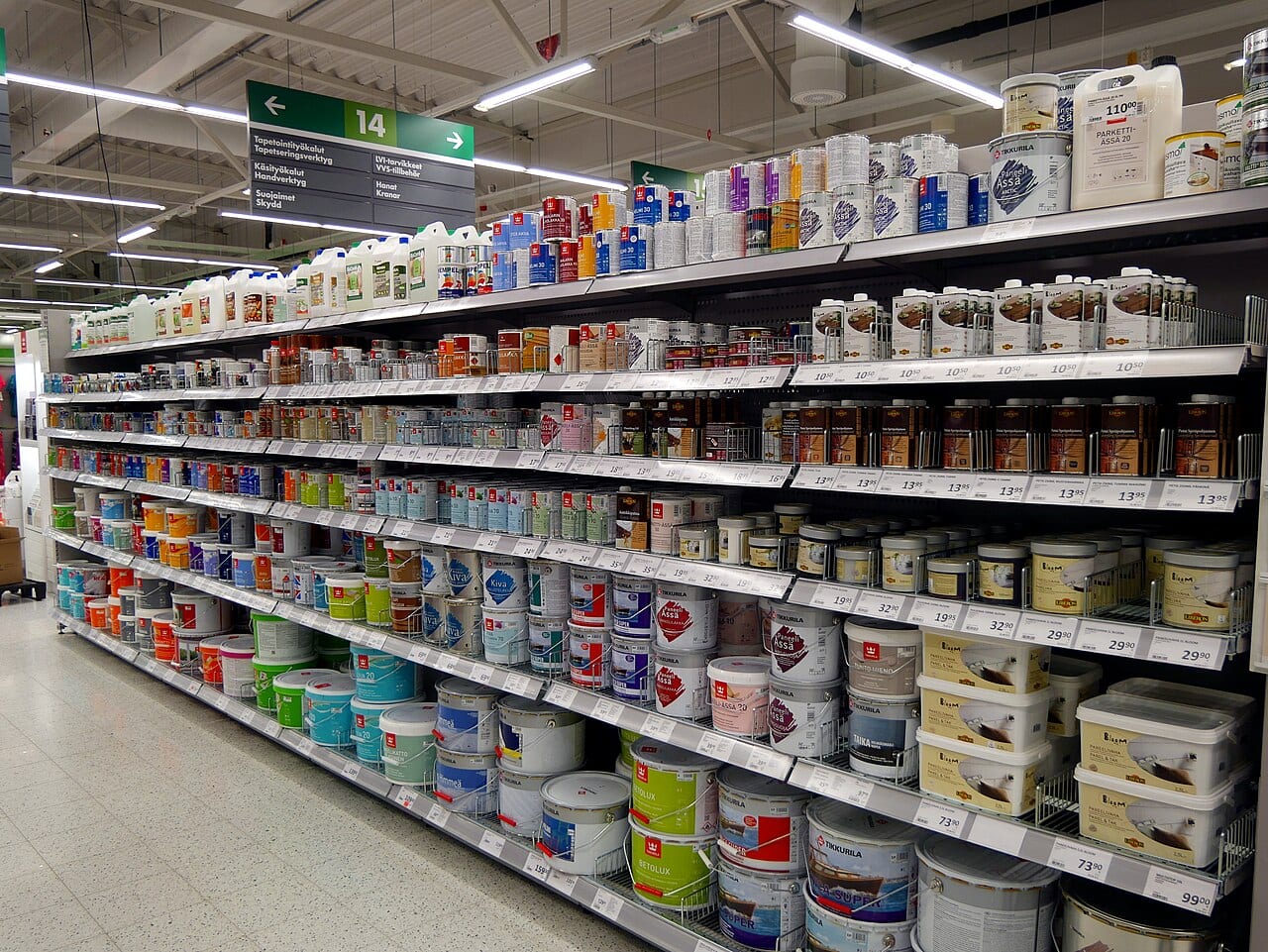
Latex and oil-based paint take different paths
Water cleanup means latex. Mineral spirits means oil-based. PaintCare drop-off exists only in participating states.
EPA treats leftover household products that can catch fire, react, explode, corrode or poison as household hazardous waste, and no curbside program takes them loose in the cart. The guides here say what is true nationally about each product, which stewardship program takes it back in participating states, and where the answer turns local: the drop-off site, the collection event or the hauler’s own rule.
Where to start
Acetone and bleach explains separate storage, household collection limits and the routes in Seattle, King County and San Francisco.
Open household hazardous waste for the EPA list and the storage rules, paint for the latex-versus-oil split and the PaintCare states, aerosol cans and propane tanks for full versus empty cans and grill-tank exchange, old gasoline for storing fuel safely, the gallon limits at Seattle and Houston sites and Denver’s home pickup, light bulbs for why CFLs and fluorescent tubes need a separate path while LEDs do not, with the states that ban mercury bulbs from the trash, fire extinguishers for why a charged one never goes in a cart, Knoxville’s free drop-off and Denver’s emptied-shell route, and helium tanks for emptying a party balloon tank and the drop-off routes in Houston, San Francisco and Honolulu. Drop-off locations lists the sites we have checked. Batteries have their own category, batteries and electronics, and so do leftover medicines and needles, medicines and medical waste. Your state page lists the stewardship programs that apply where you live, and the PaintCare listing explains what that program is and is not.