
Waste Rules
Some items never belong in the household cart, whatever the local collection day is. Pick a material or a category.
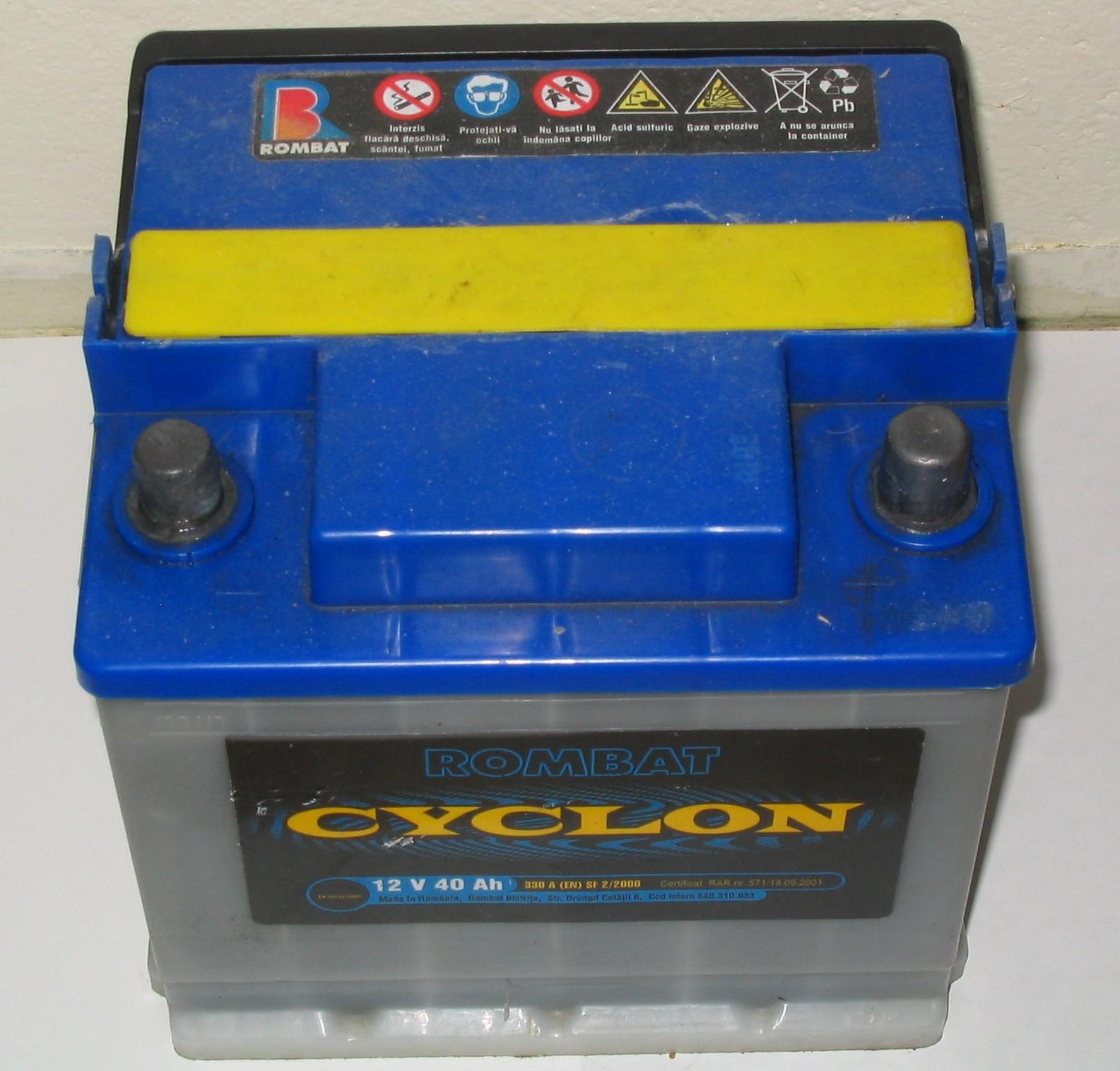
How to recycle a car battery safely
How to recycle a car battery through retailer take-back or household hazardous waste, with local rules.
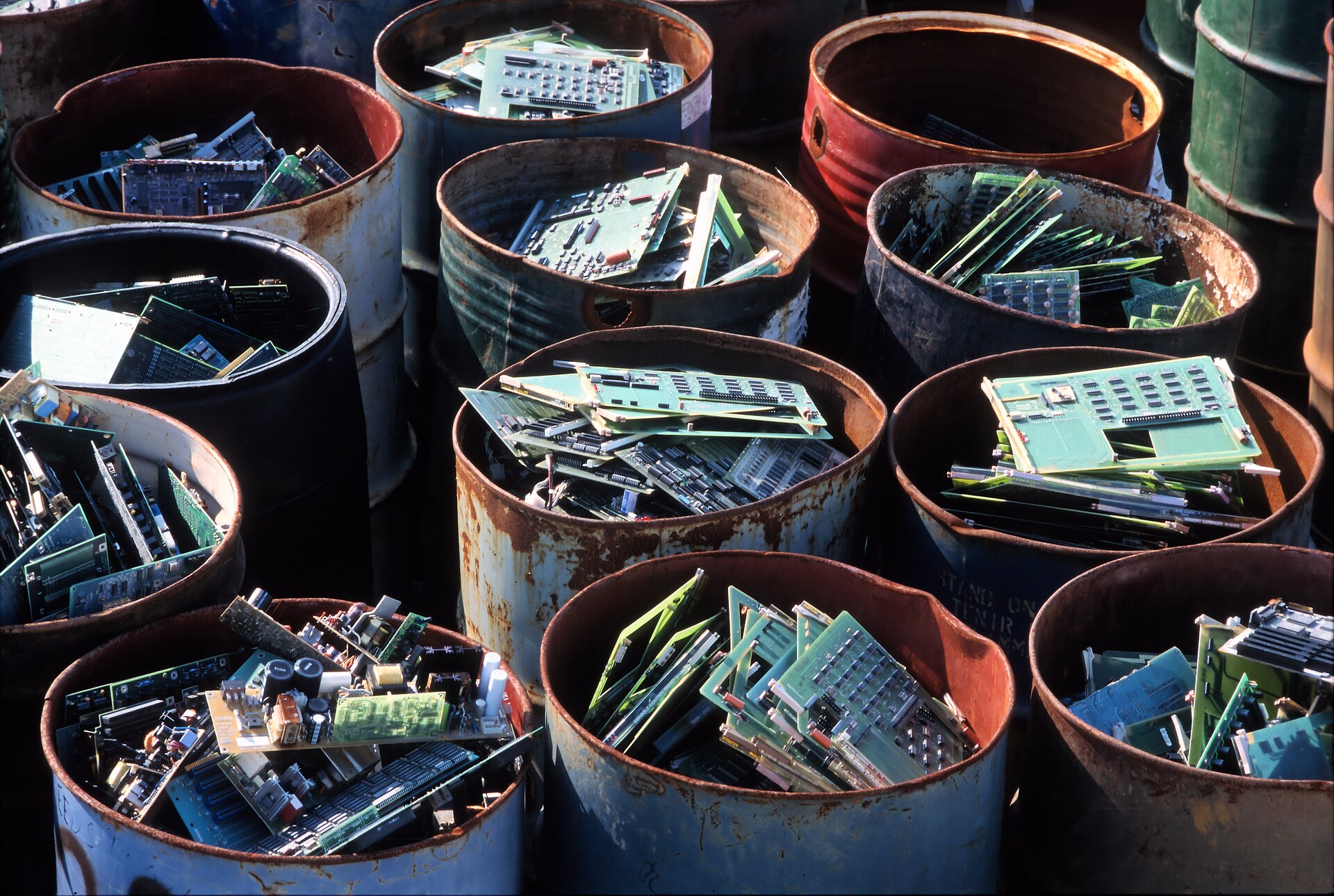
How to dispose of an old TV or computer
Find the right reuse, take-back or e-waste route for a TV, monitor or computer without guessing.
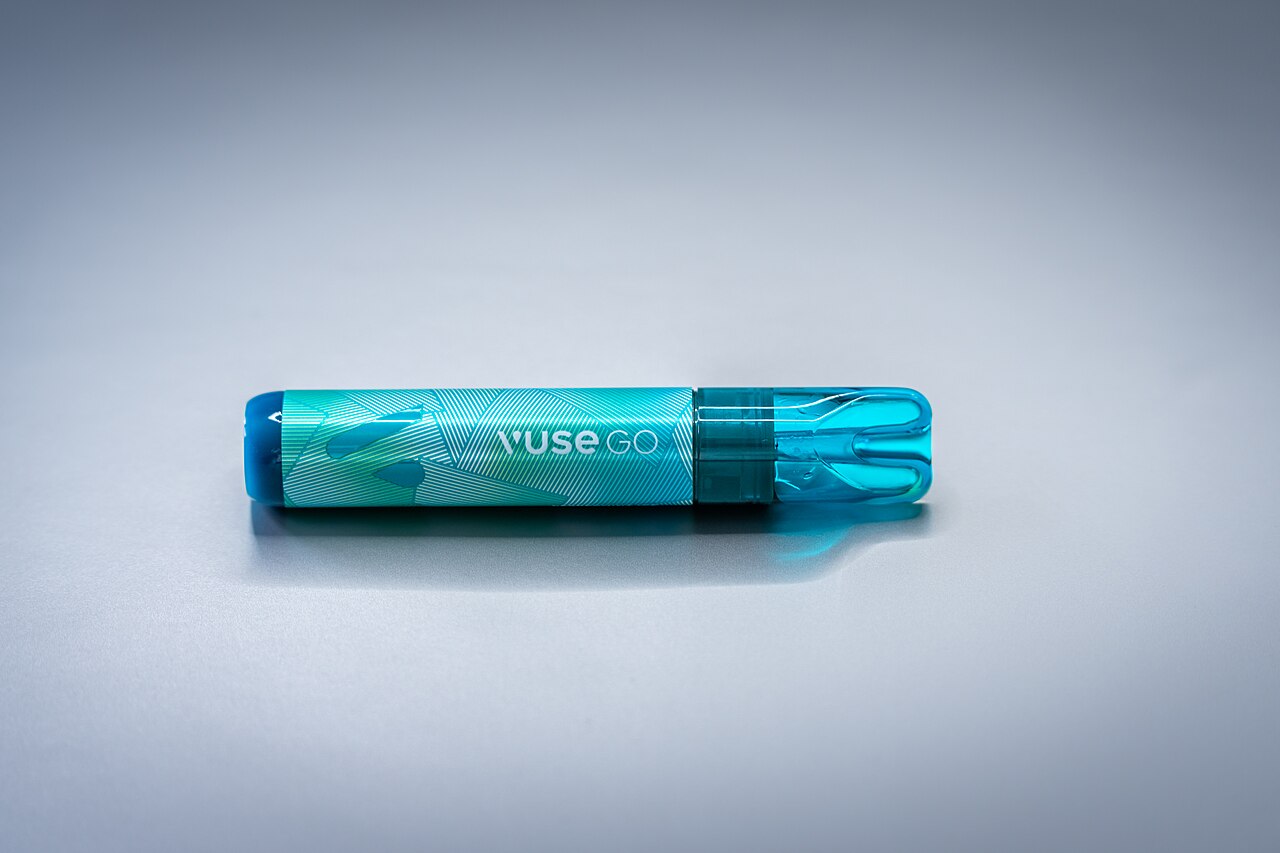
How to dispose of vapes and e-cigarettes safely
Vapes never go in the trash or the recycling cart. Take them to a household hazardous waste site.
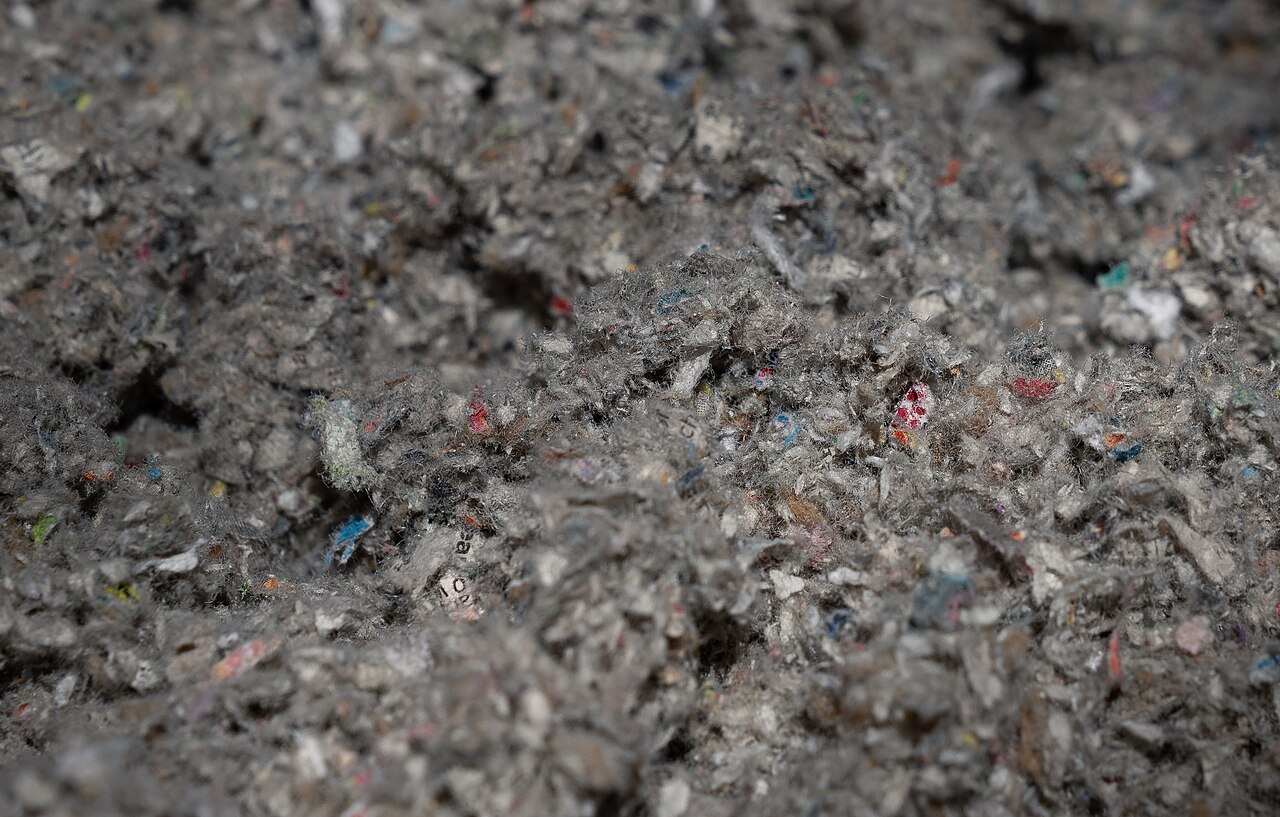
How to dispose of shredded paper: bag, compost or trash
Shredded paper is too small for most sorting lines. Some cities want it bagged, some compost it, some say trash.
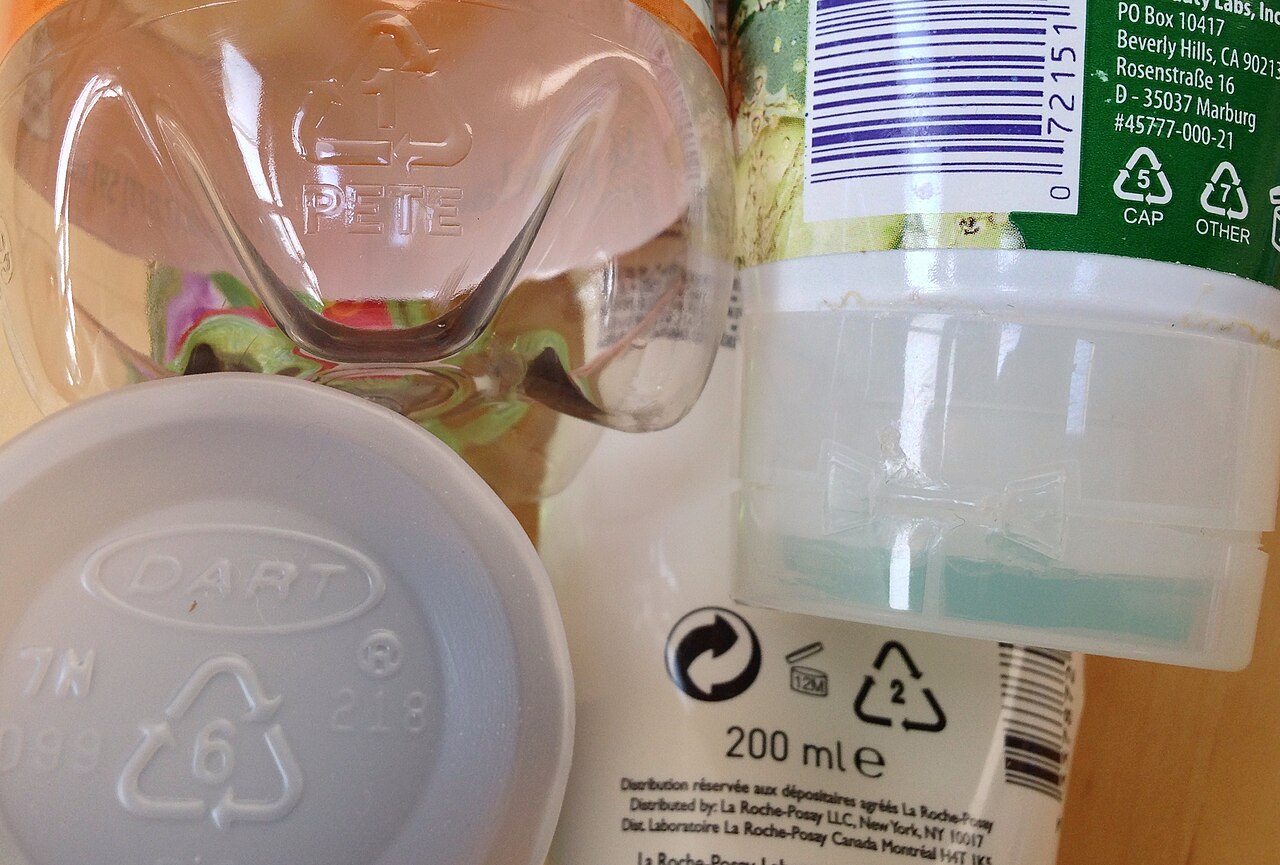
Plastic recycling numbers 1 to 7: what your city takes
Plastic recycling numbers 1 to 7 name the resin, not your city's rule. How Denver, Austin and Seattle sort plastics.
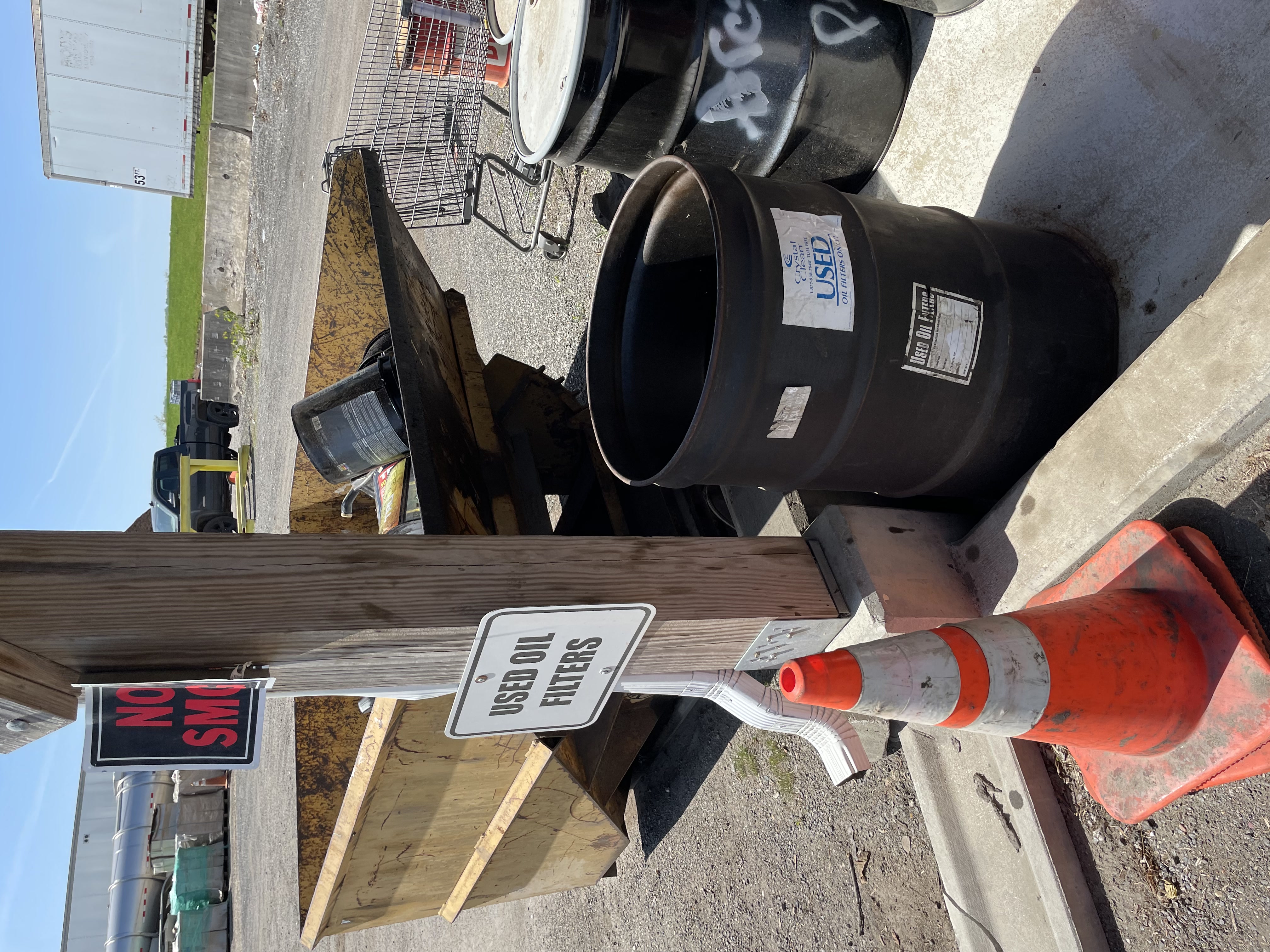
How to dispose of used motor oil and filters
How to dispose of used motor oil: separate containers, local recycling and oil-filter rules.
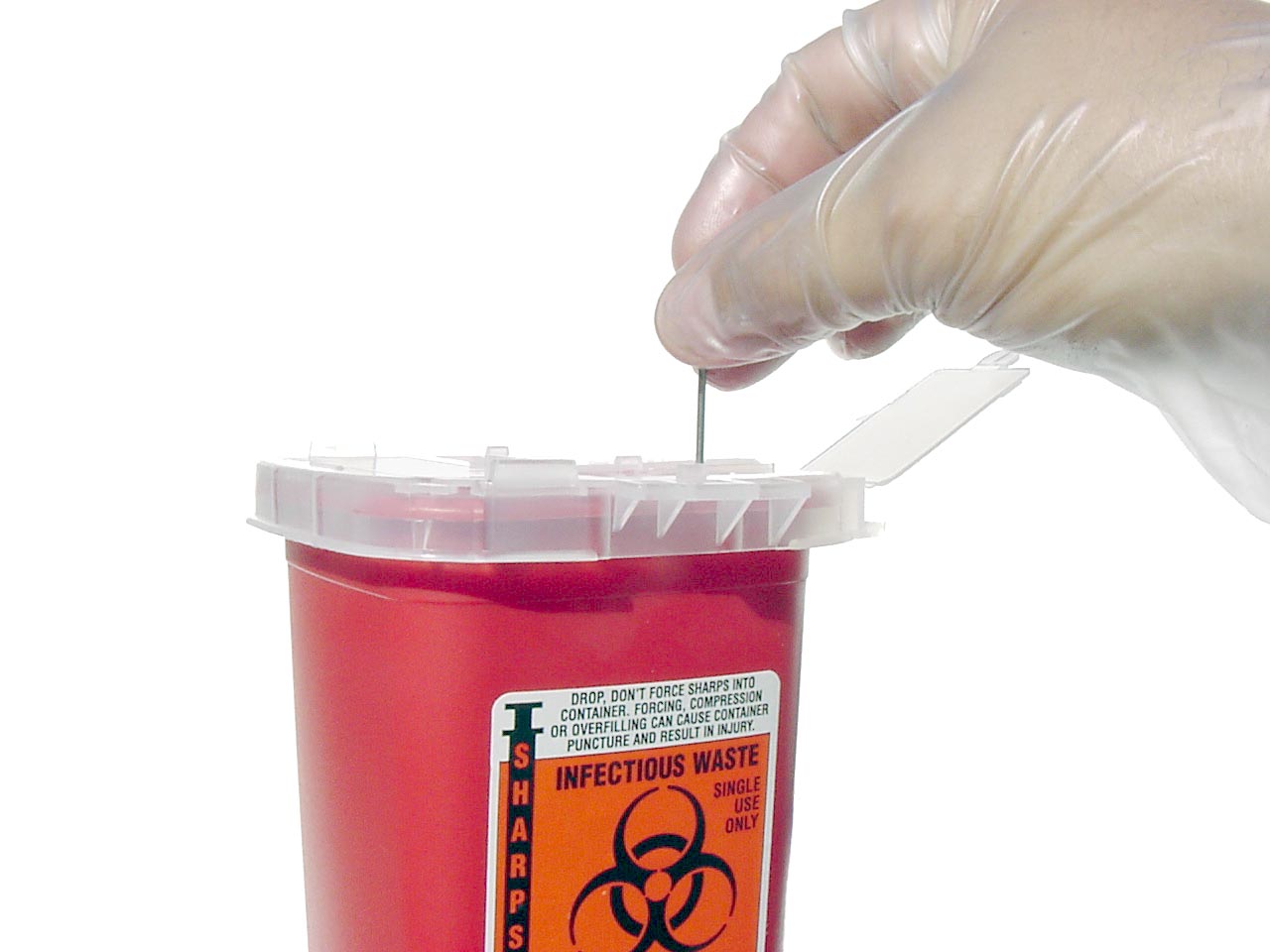
How to dispose of needles and sharps safely
How to dispose of needles and sharps: safe containers, local drop boxes and mail-back rules.
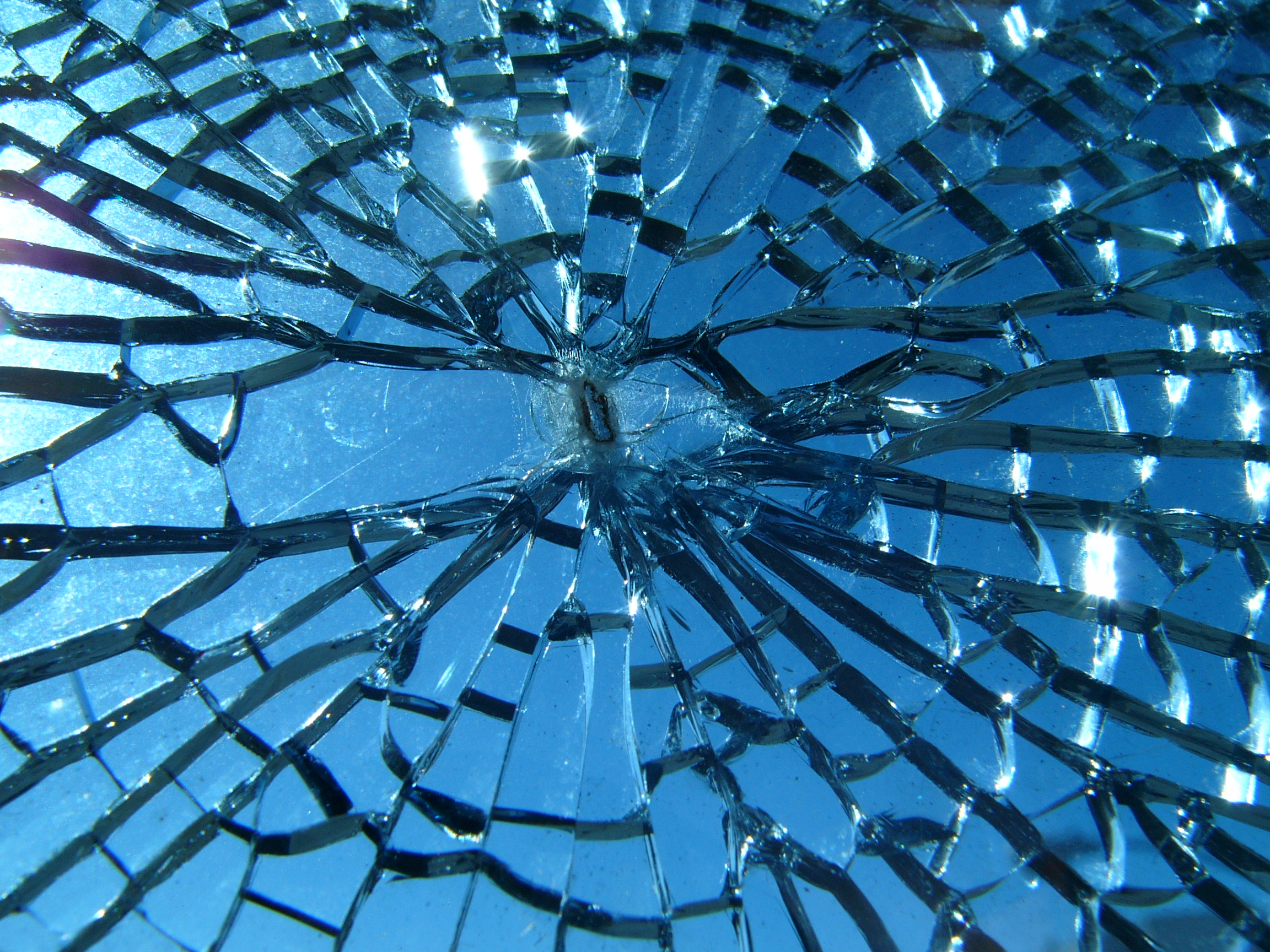
How to Dispose of Broken Glass Safely
How to dispose of broken glass: local packaging rules for shards, bottles, mirrors and windows.
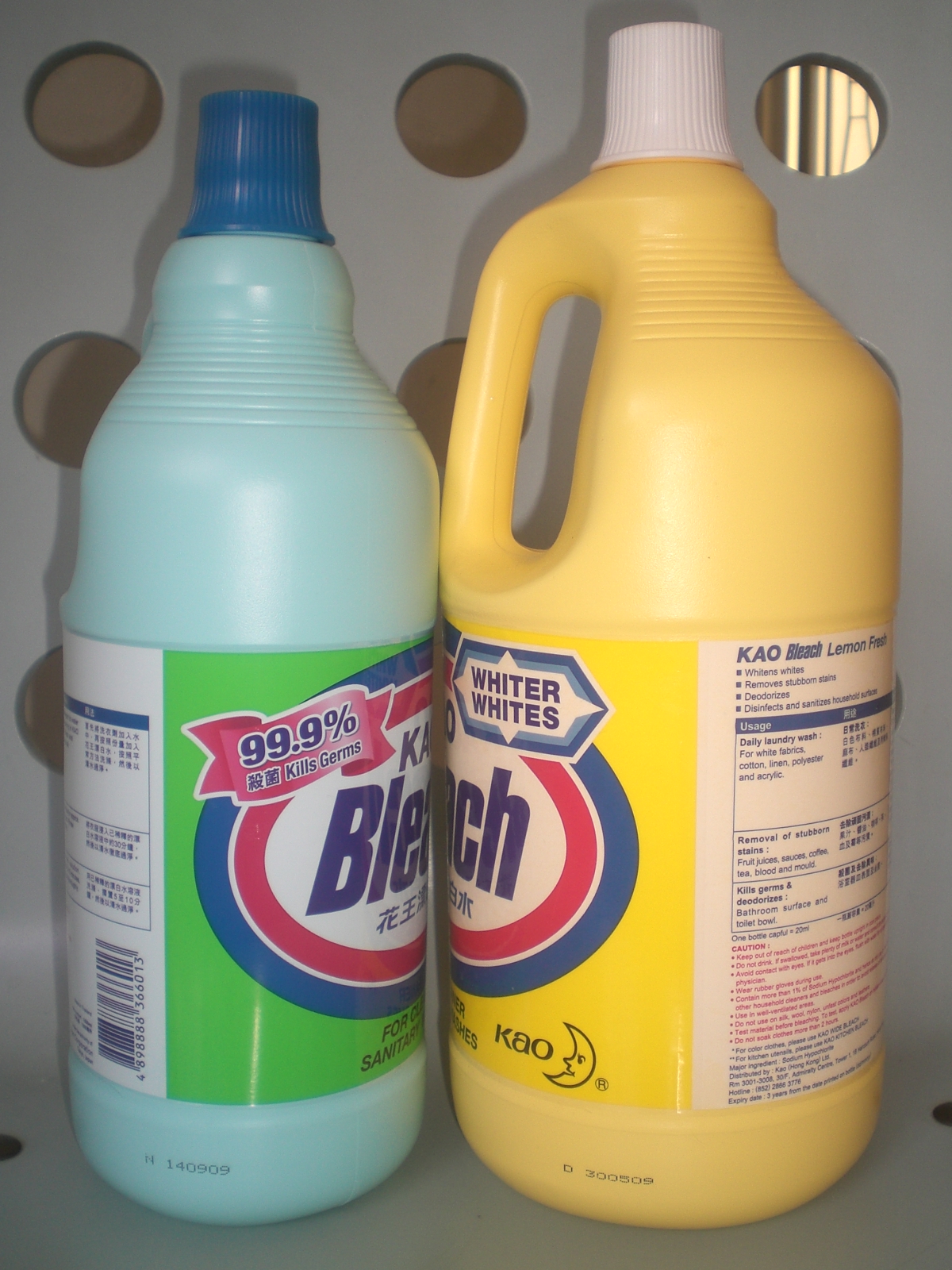
How to dispose of acetone and bleach
Keep chemical leftovers separate, then check your local hazardous-waste program's products and limits.
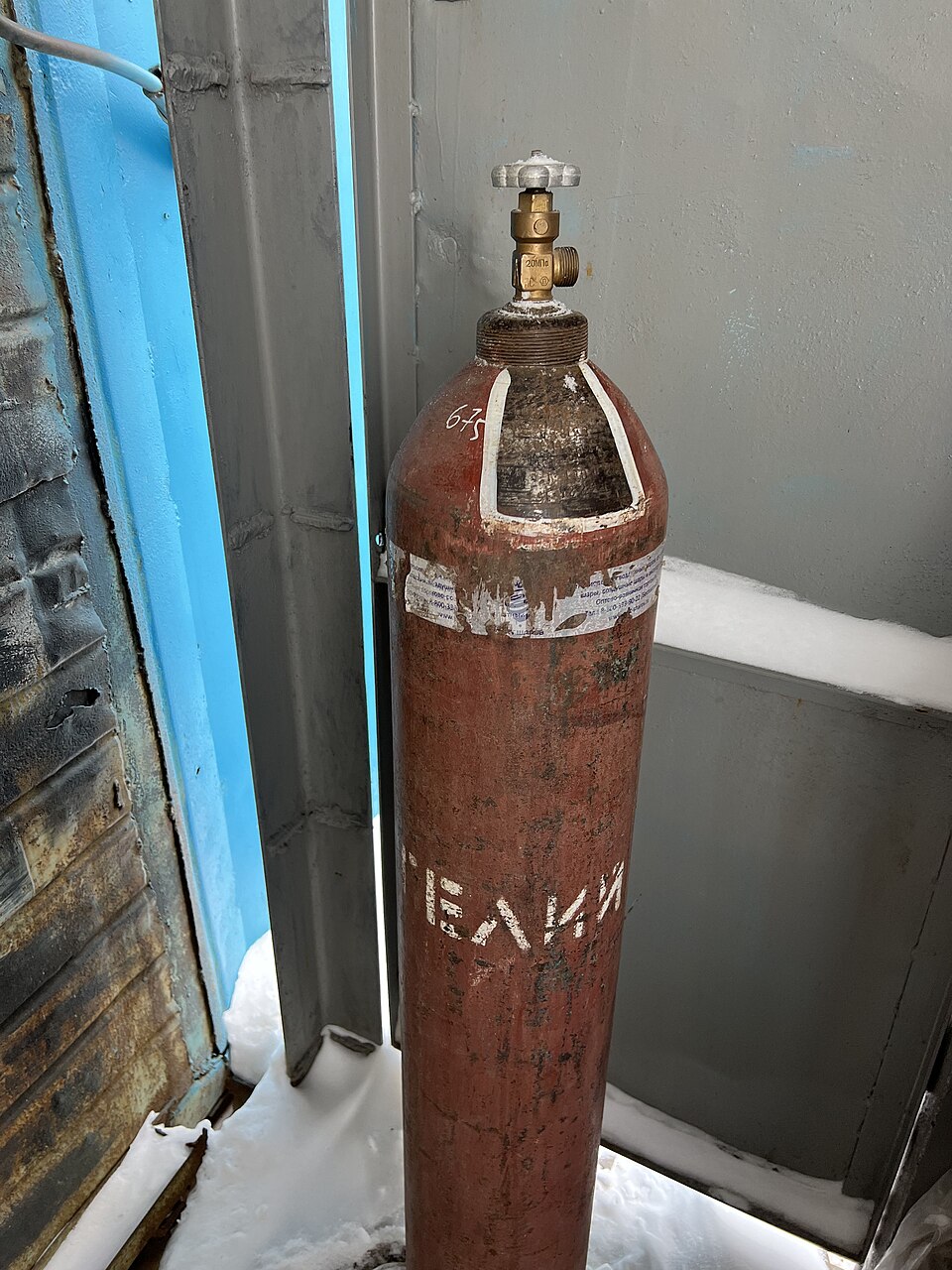
How to dispose of helium tanks: empty first, then scrap
An empty party helium tank never goes in a cart. Houston, San Francisco and Honolulu each send it to a drop-off site.
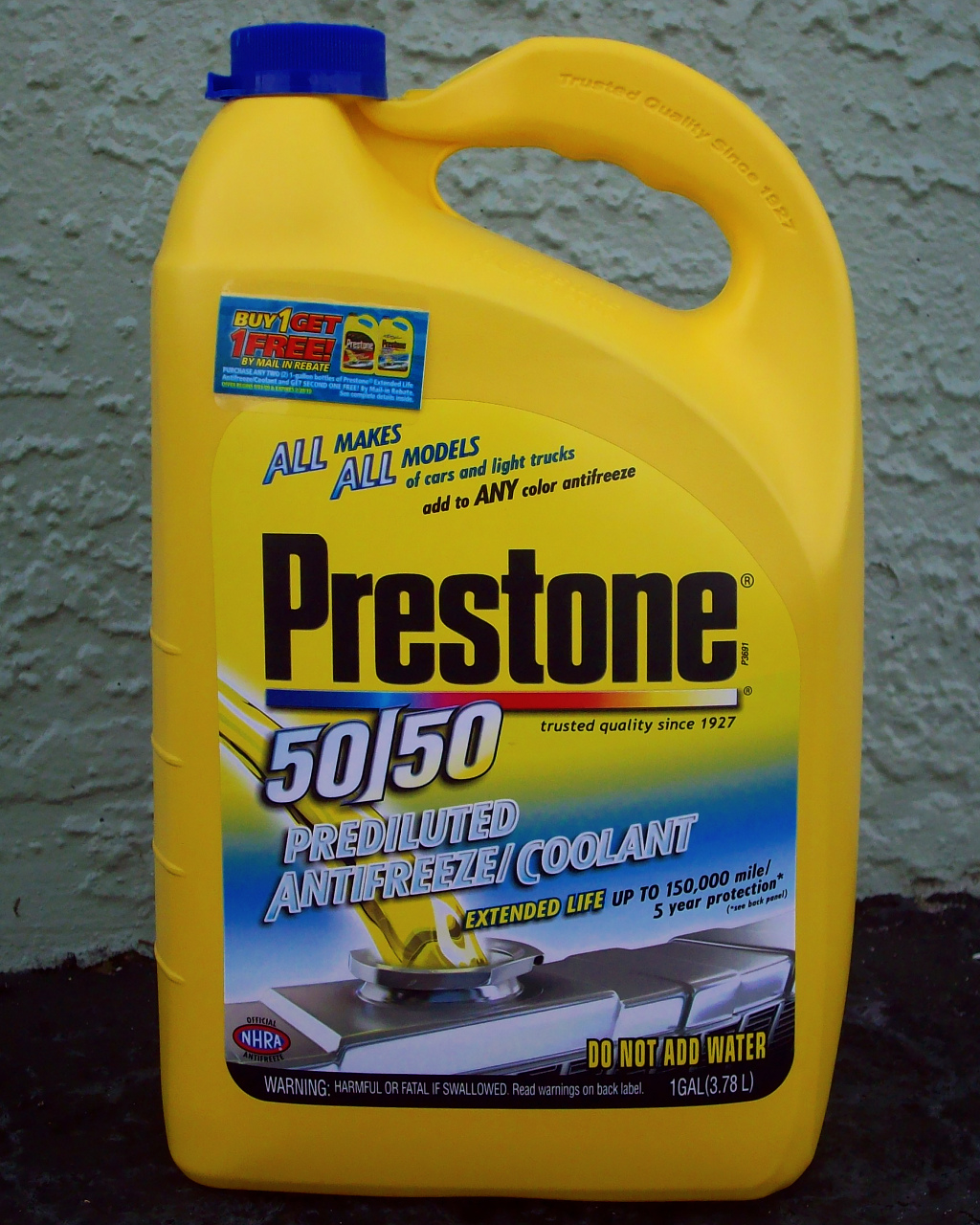
How to dispose of antifreeze: never the drain or the ground
Antifreeze and coolant never go down a drain or in the cart; take them to a hazardous waste site.
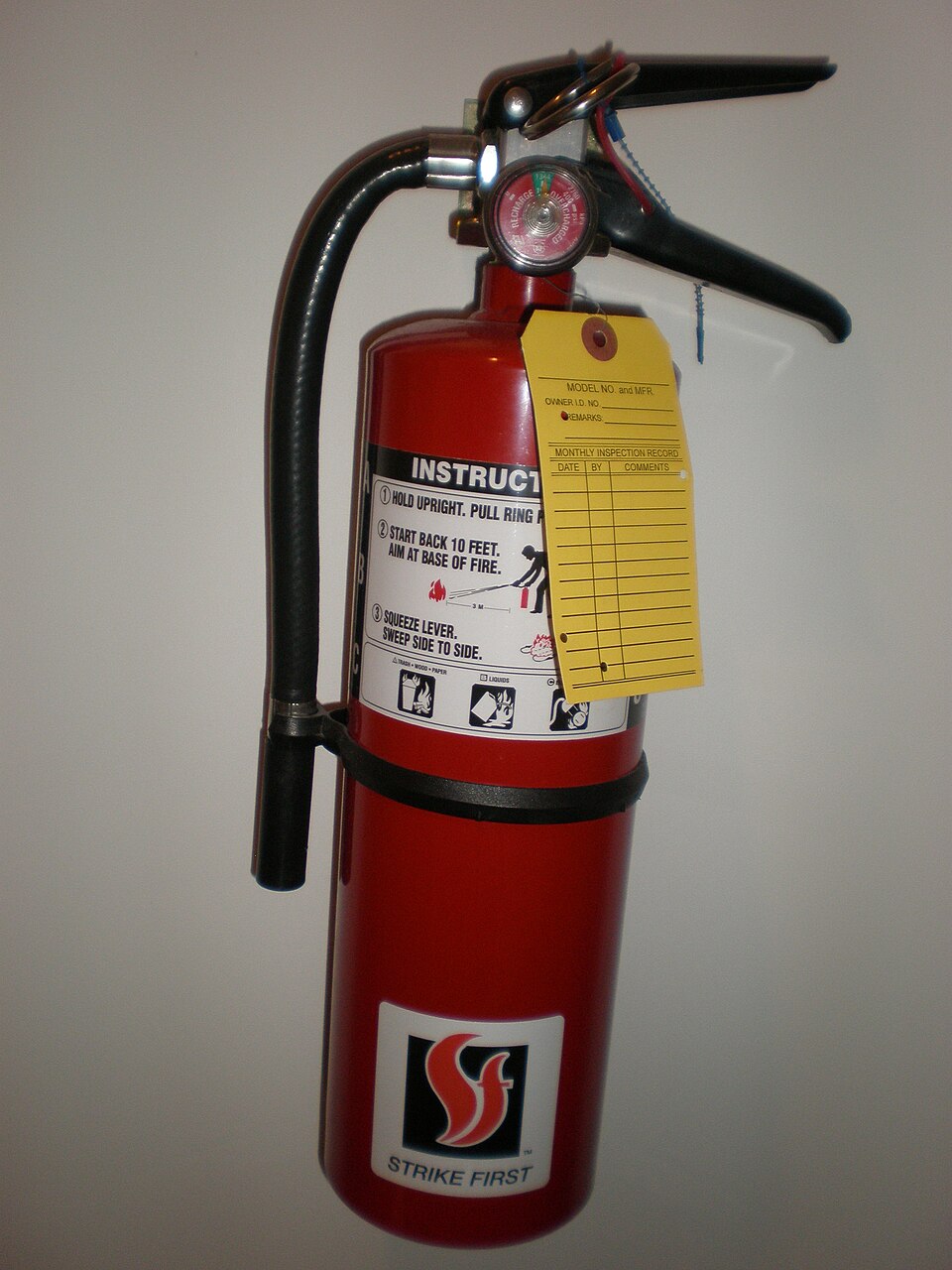
How to dispose of a fire extinguisher: full or empty
A charged fire extinguisher never goes in a cart. Knoxville takes it free; Denver lists drop-offs and a scrap route.
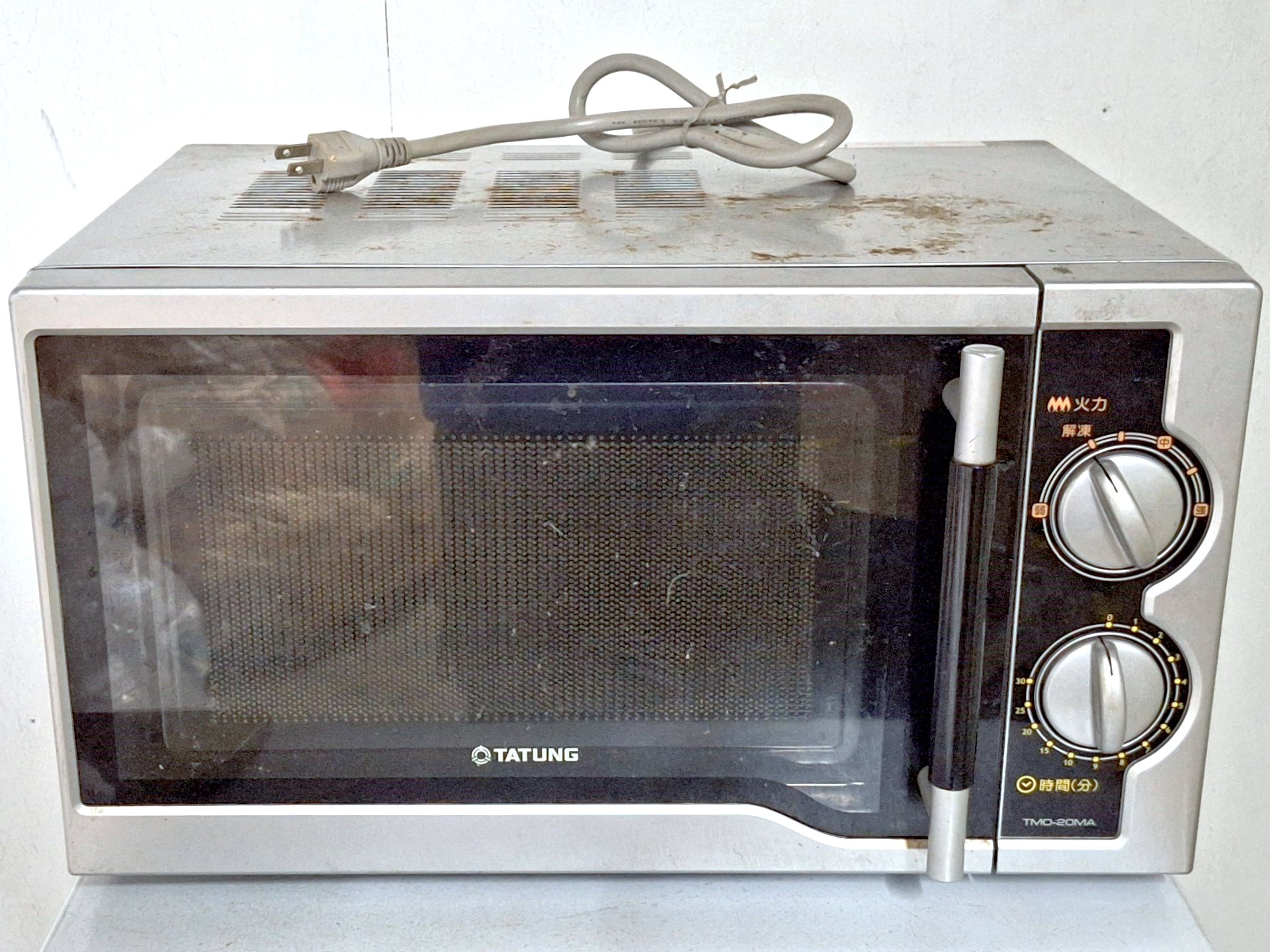
How to dispose of a microwave: bulk pickup or drop-off
No federal rule covers microwaves. Minnesota bans them from the trash; cities use bulk pickup or drop-off.
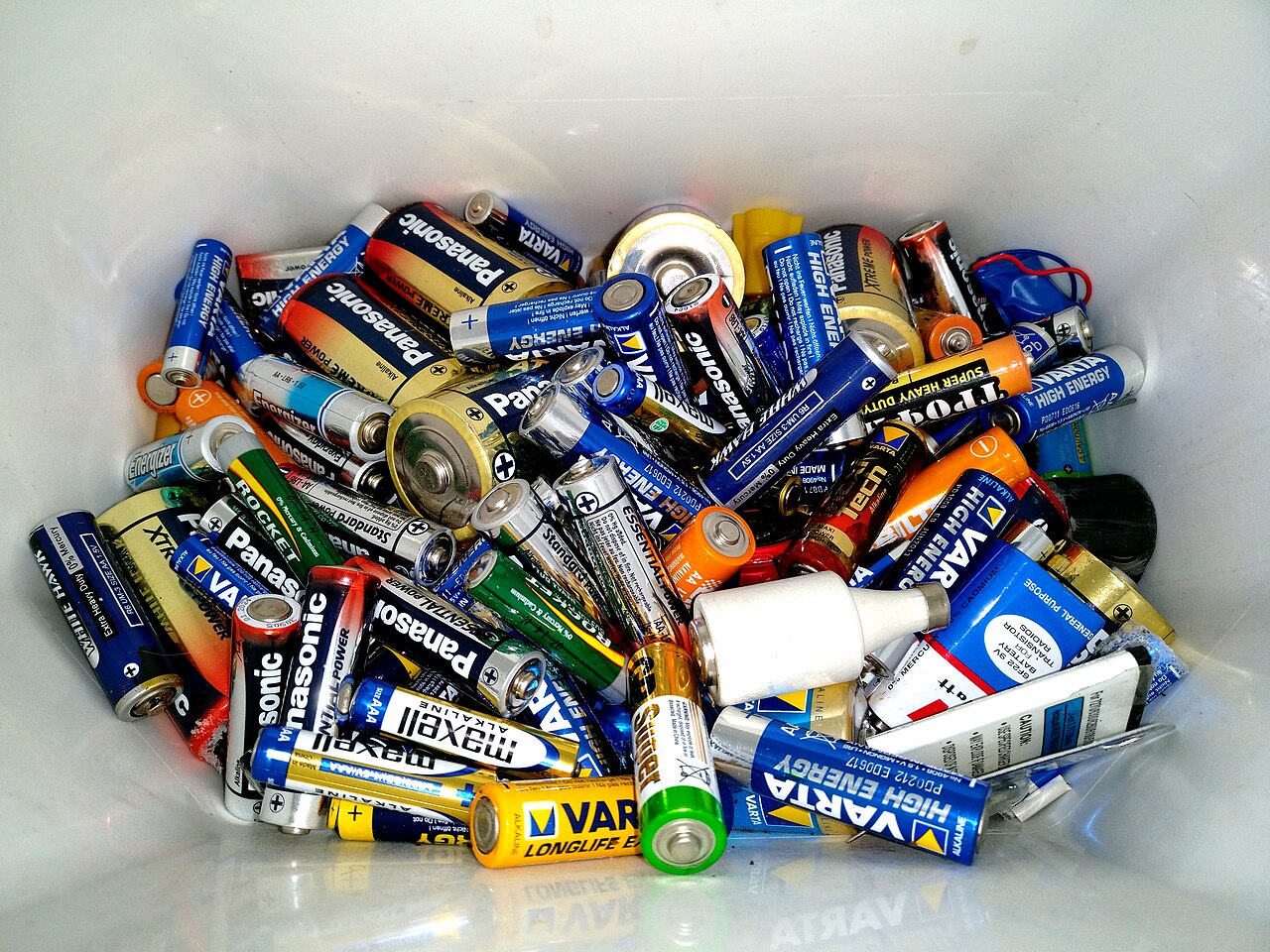
How to dispose of household batteries: AA to lithium
Alkaline batteries can go in the trash in most places. Rechargeable, lithium and button batteries never can.
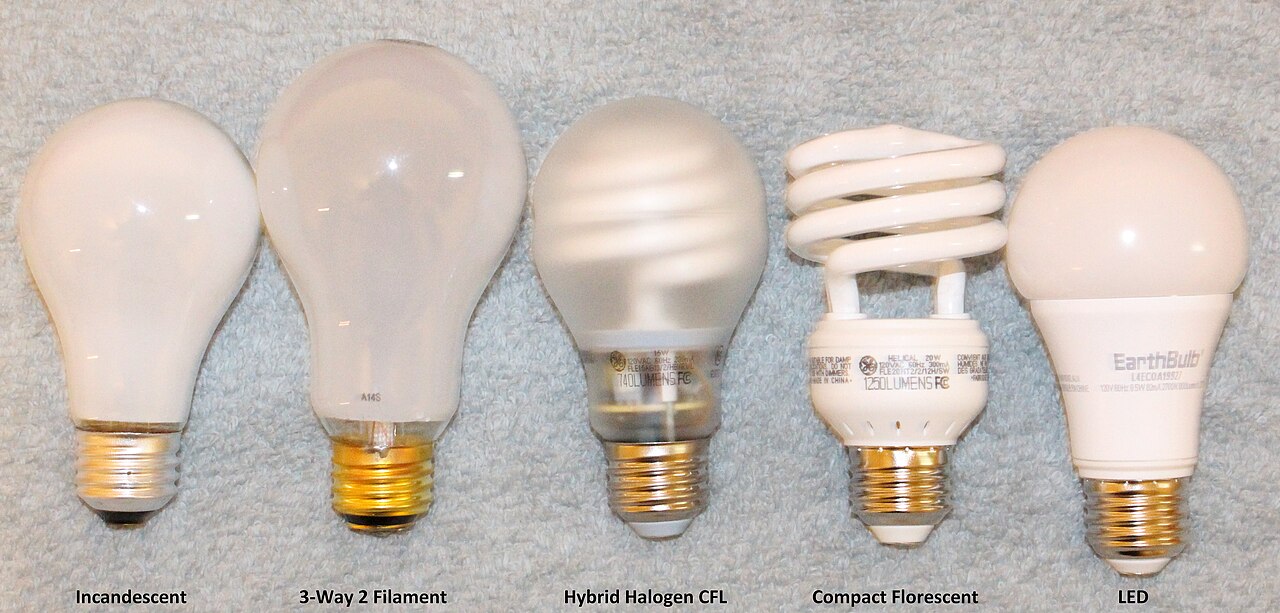
How to dispose of light bulbs: LED, CFL and fluorescent
LED and incandescent bulbs hold no mercury. CFLs and fluorescent tubes do, and need a separate path.
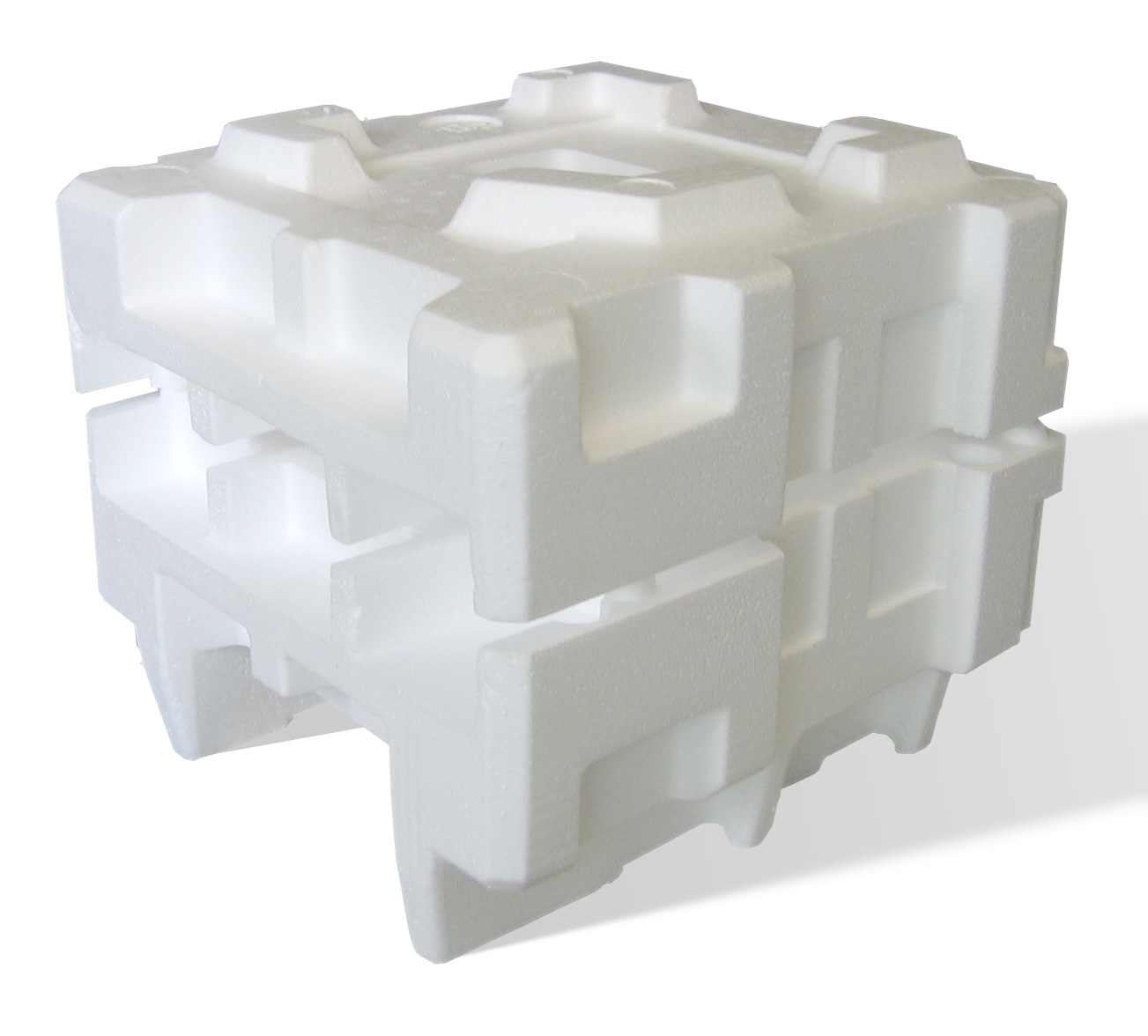
How to dispose of Styrofoam: is Styrofoam recyclable?
Foam almost never goes in the recycling cart. A few cities take clean foam blocks by pickup or drop-off.
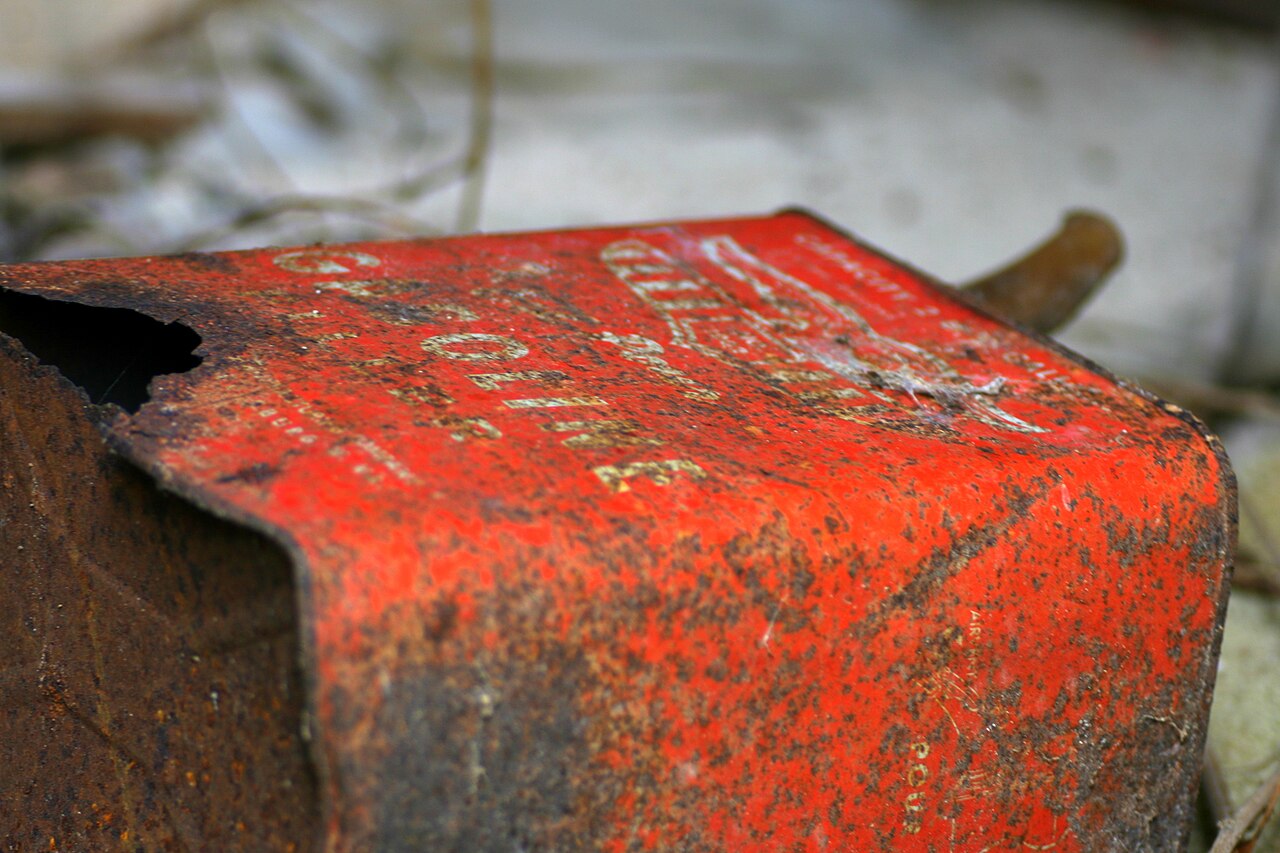
How to dispose of old gasoline: never the cart or drain
Seal it in a gas can and take it to hazardous waste collection. Old gasoline never goes in the cart or down a drain.
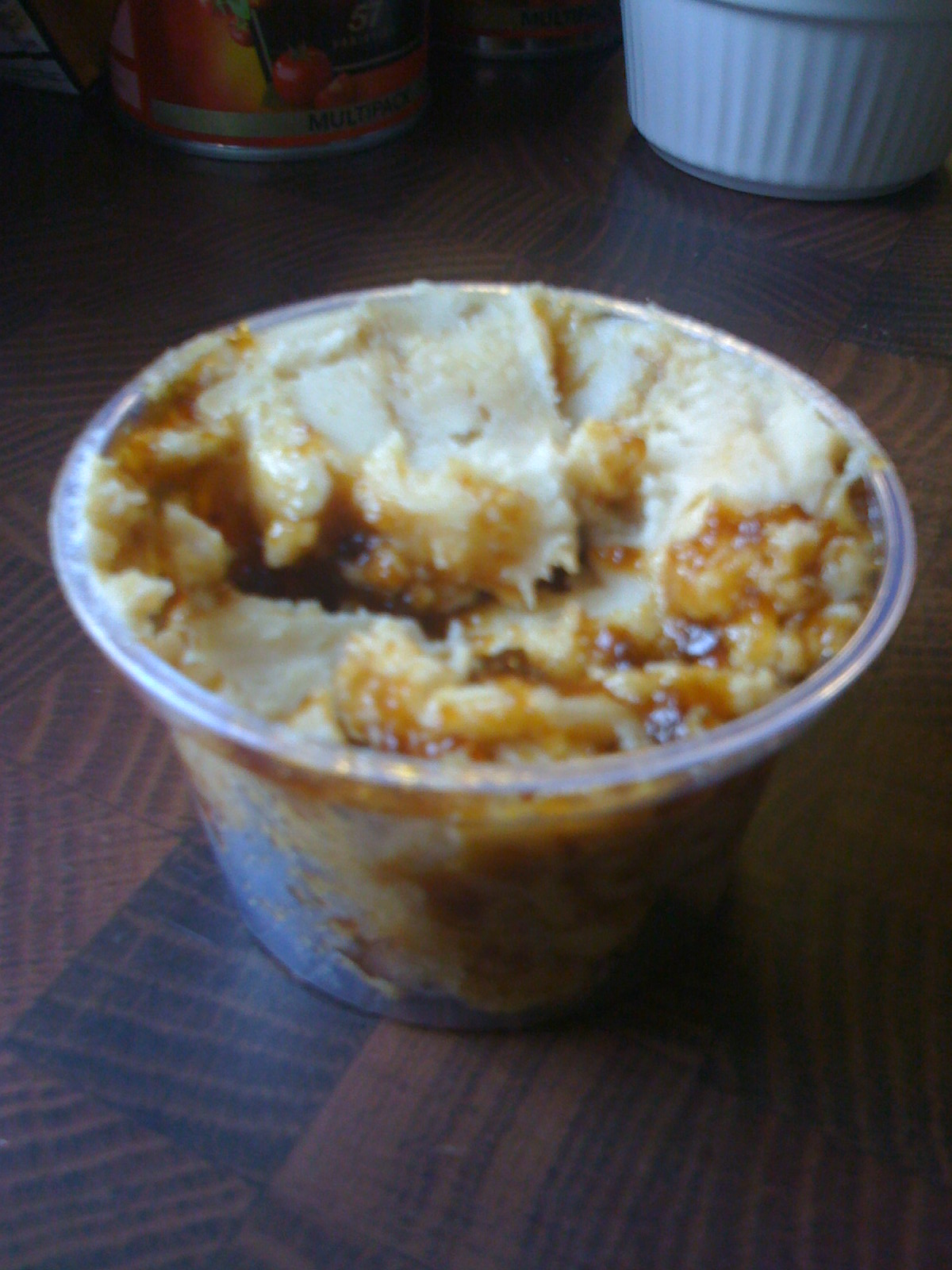
How to dispose of cooking oil and grease: never the drain
Cool it, seal it, then trash it or take it to a drop-off. Cooking oil and grease never go down the drain.
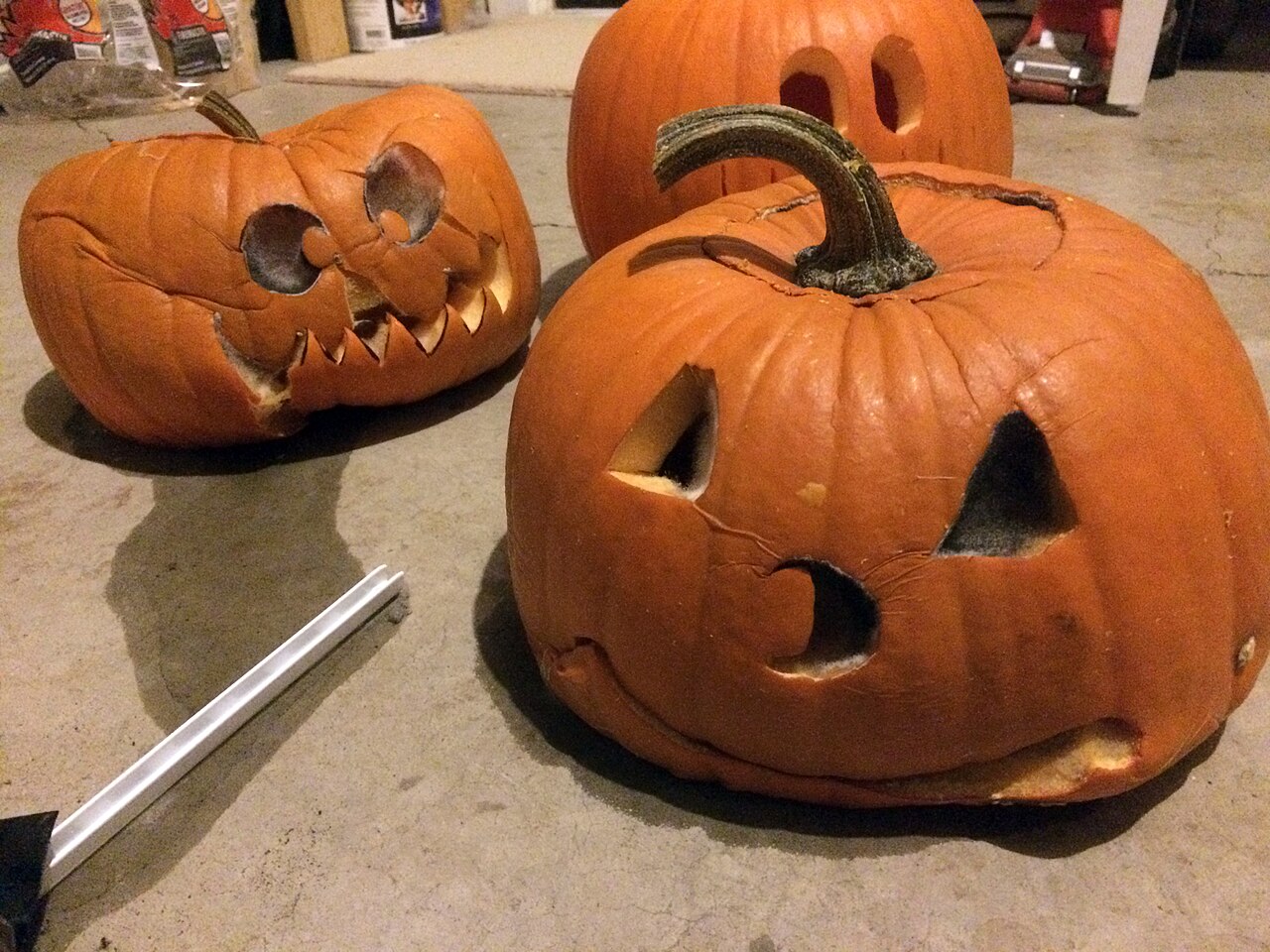
Pumpkin disposal after Halloween: compost cart, drop-off or trash
Compost cart, yard waste site or pumpkin smash: where a Halloween pumpkin goes, and what to remove first.
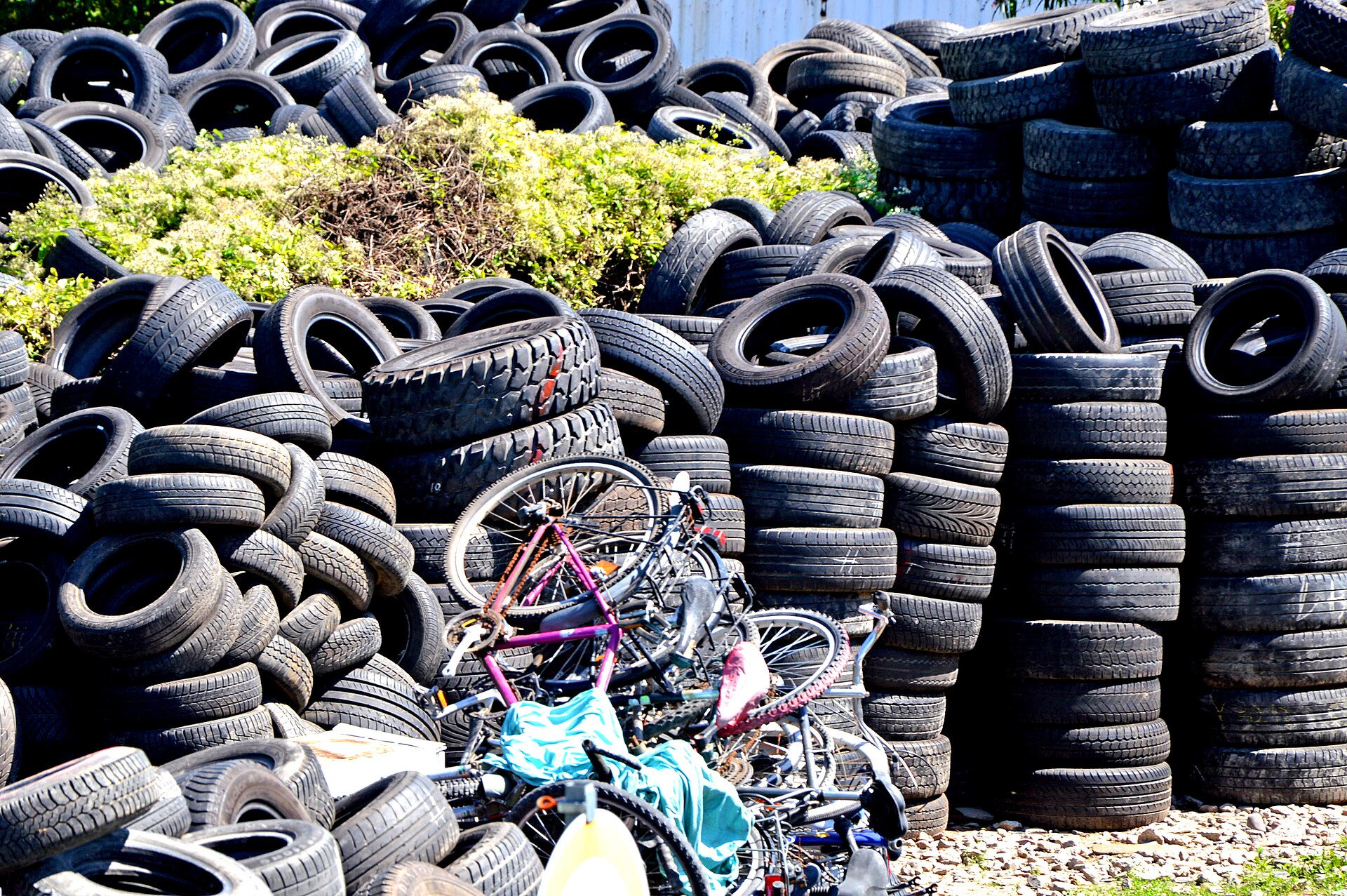
Tire disposal: a retailer or drop-off site, not the cart
Most states keep whole tires out of landfills. Old tires go back to the seller or to a local drop-off.
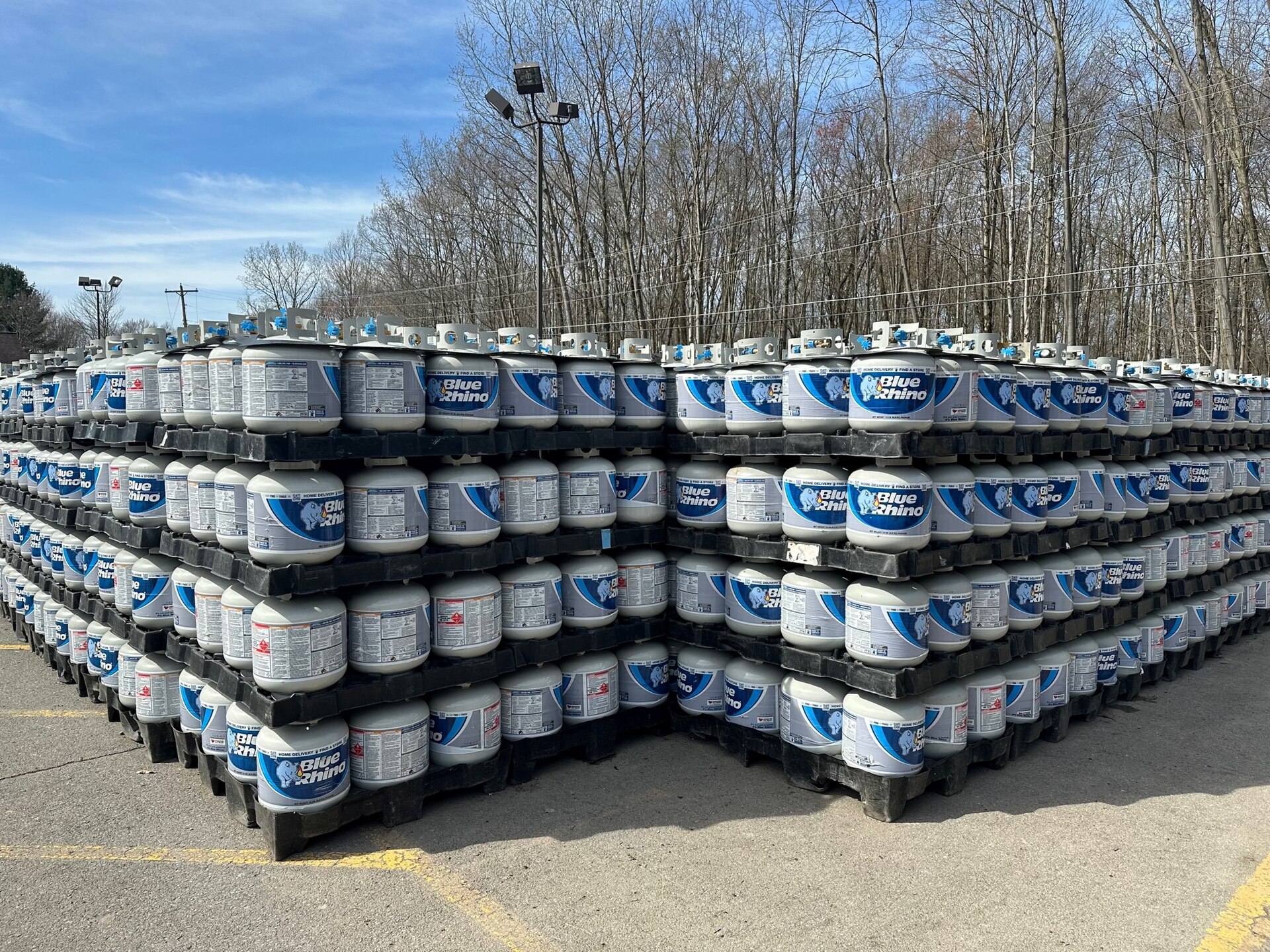
Aerosol cans and propane tanks: disposal, full or empty
Full aerosol cans and grill tanks stay out of the cart. Empty cans and camping cylinders follow the local rule.
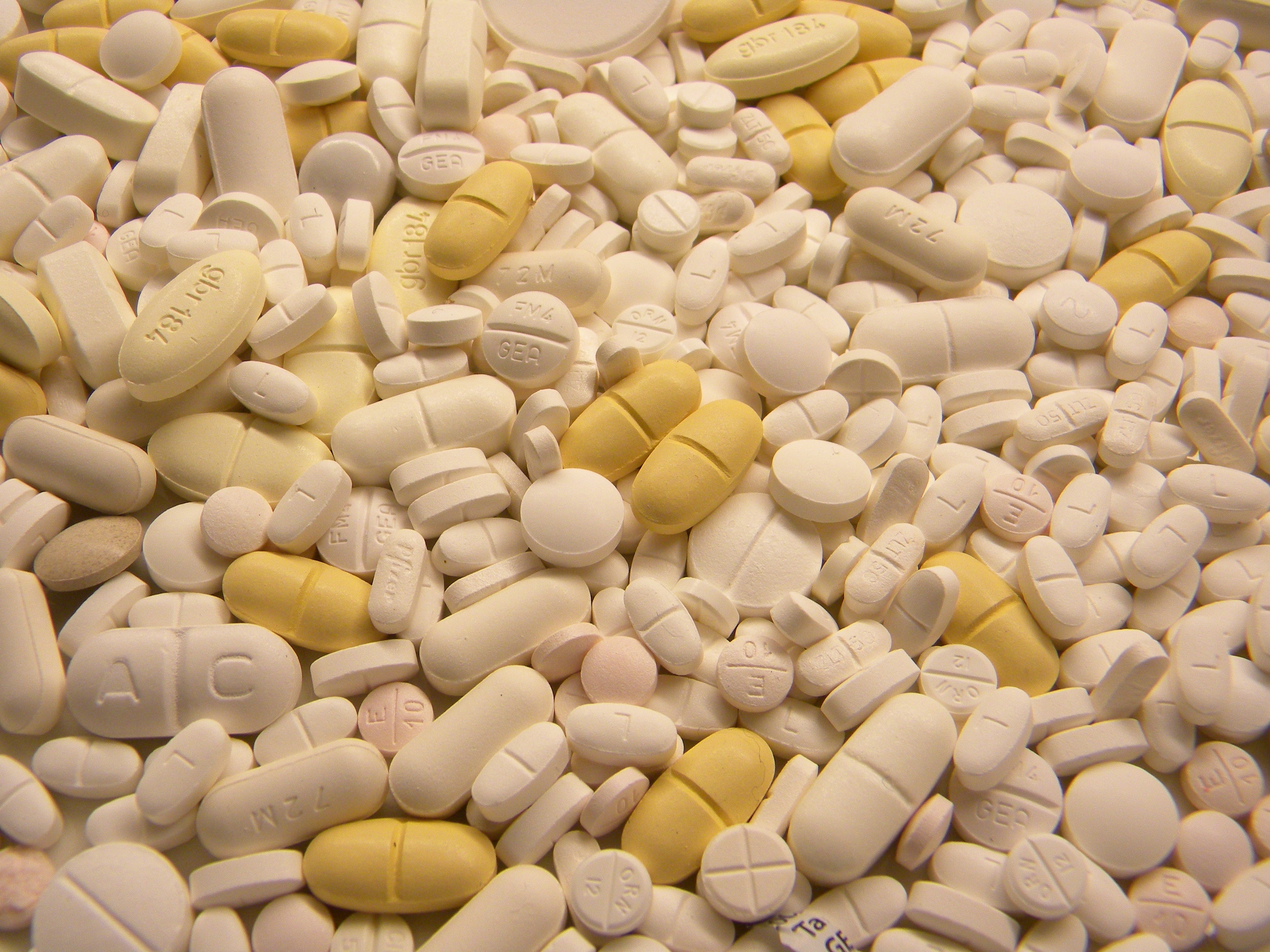
How to Dispose of Old Medication Before Take Back Day 2026
The DEA's next Take Back Day is October 24, 2026 — what to do with unused medicine before and after it.
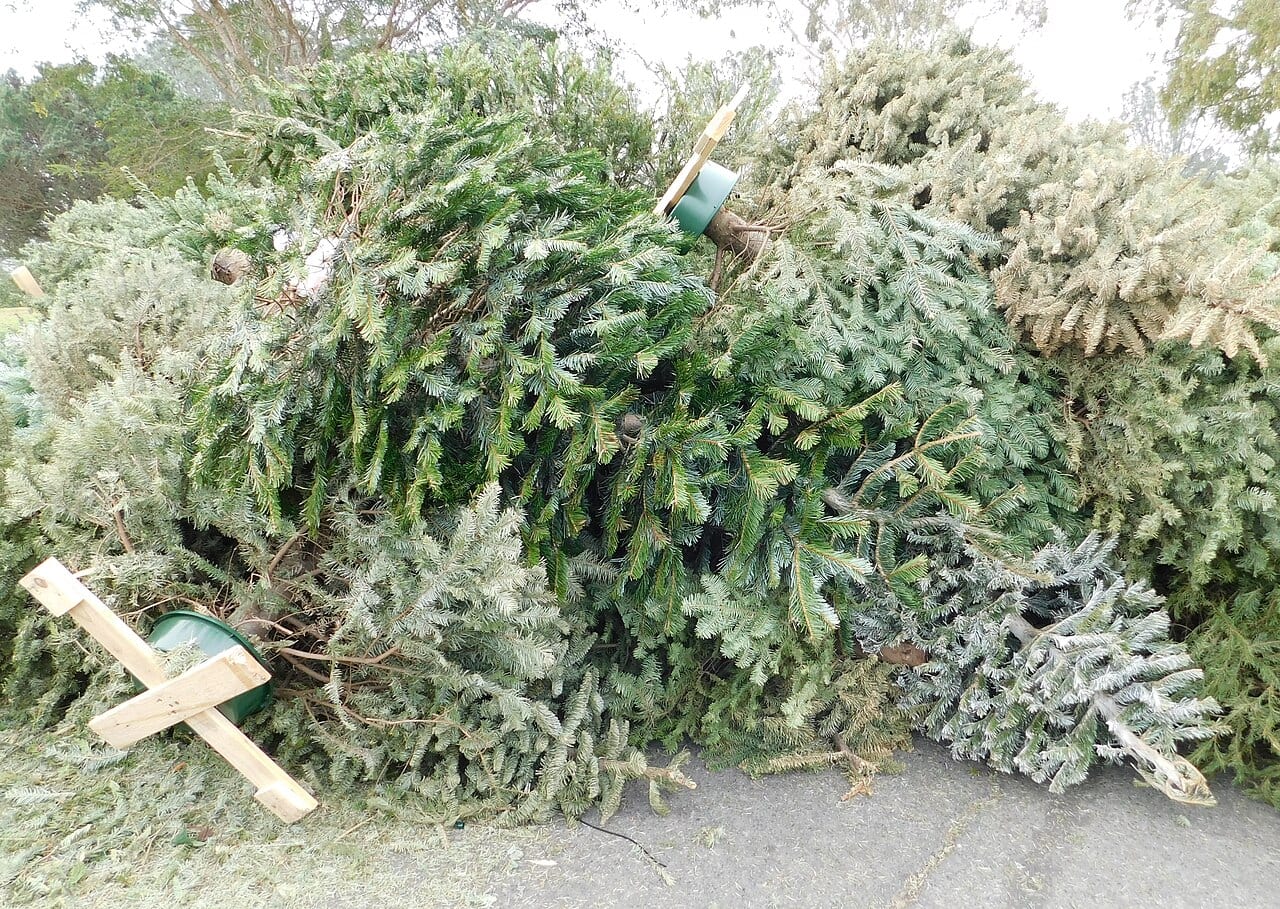
Christmas trees need a local January program, not a cart rule
A cut fir is yard waste in January. Dates are local and seasonal. Do not copy last January onto this winter.
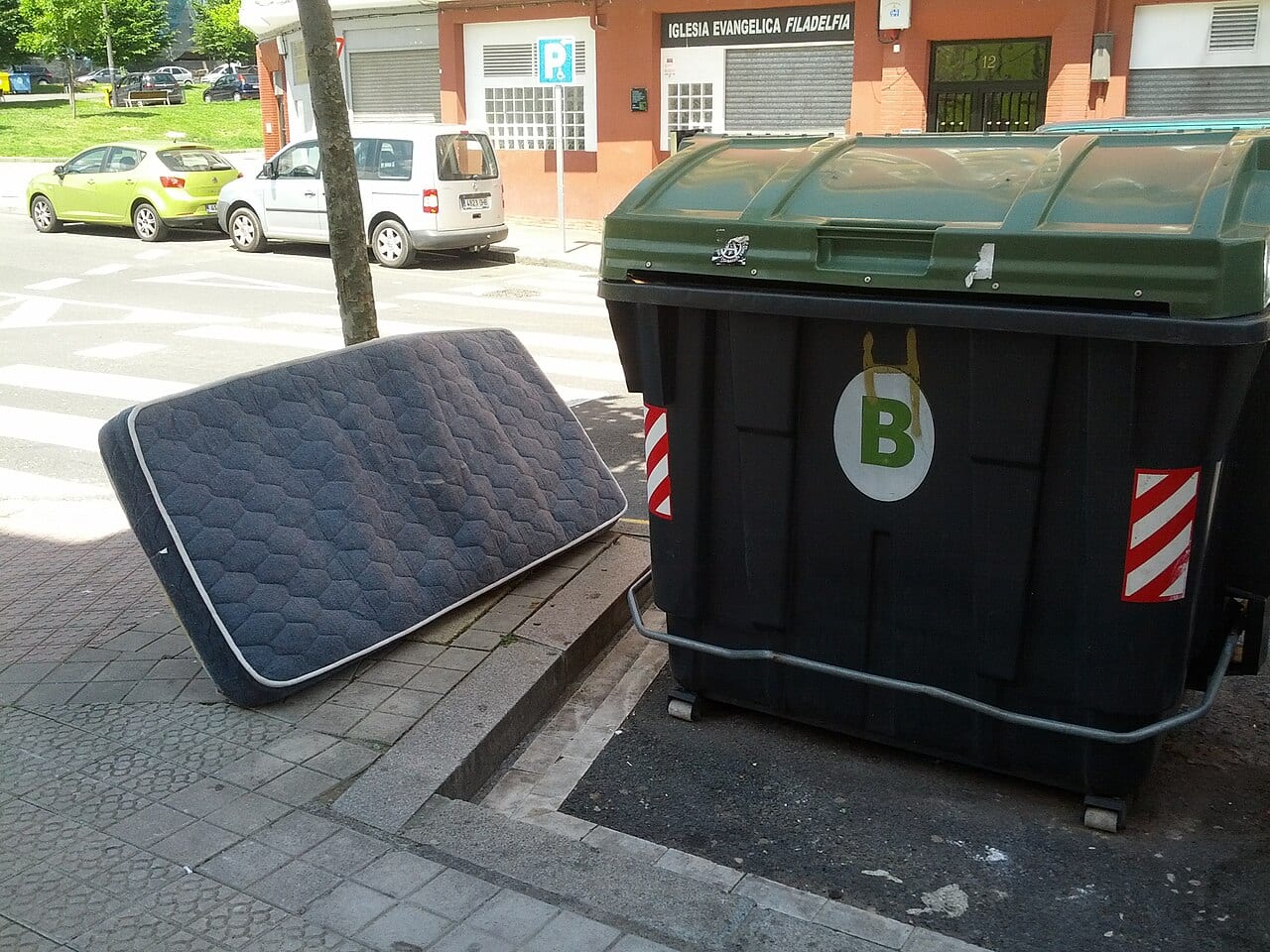
Mattress disposal: free drop-off states, fees and city pickup rules
Free drop-off in California, Connecticut, Oregon and Rhode Island. Elsewhere your city's bulky-item rule decides.