
Waste Rules: household-hazardous-waste
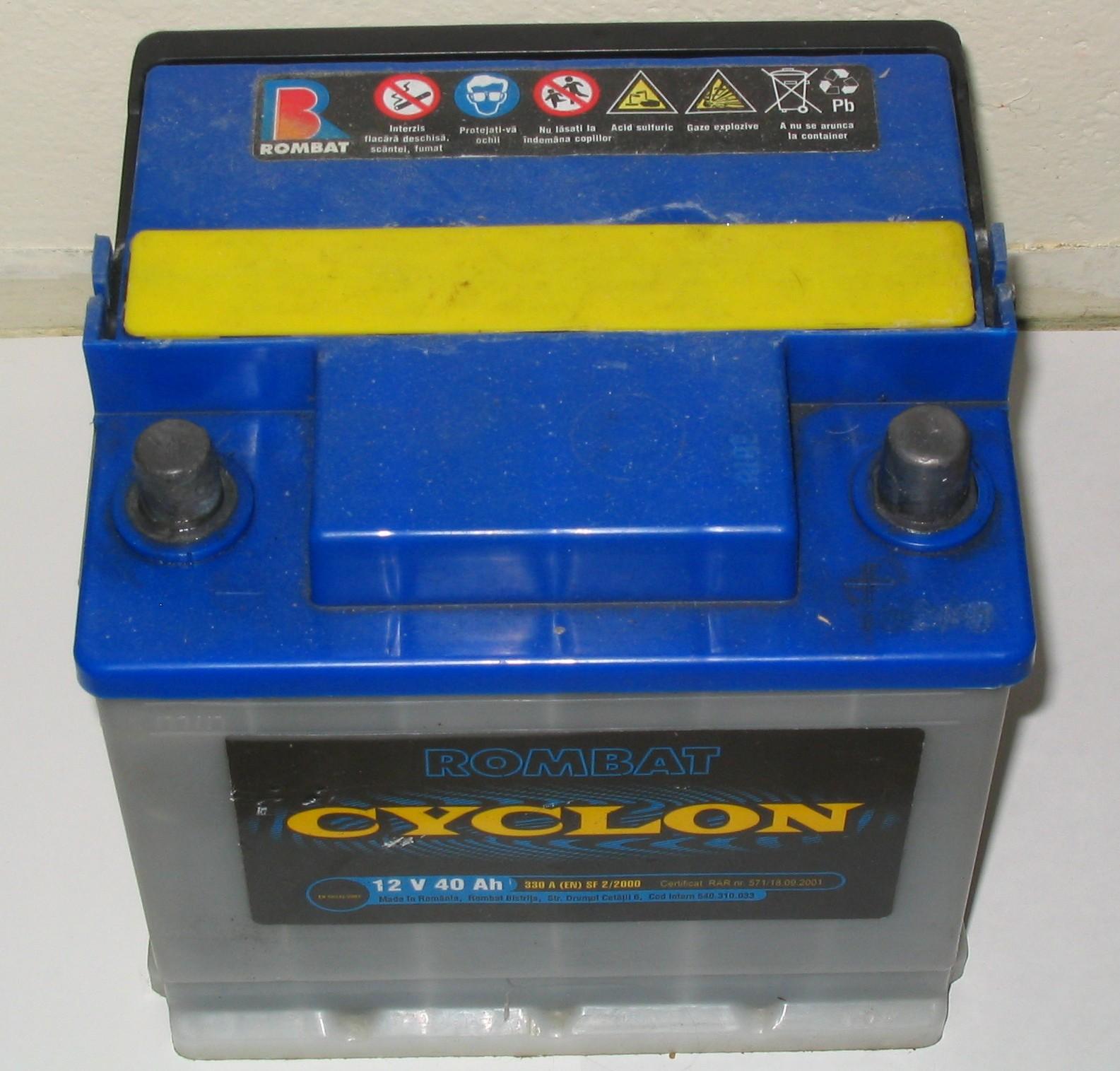
How to recycle a car battery safely
How to recycle a car battery through retailer take-back or household hazardous waste, with local rules.
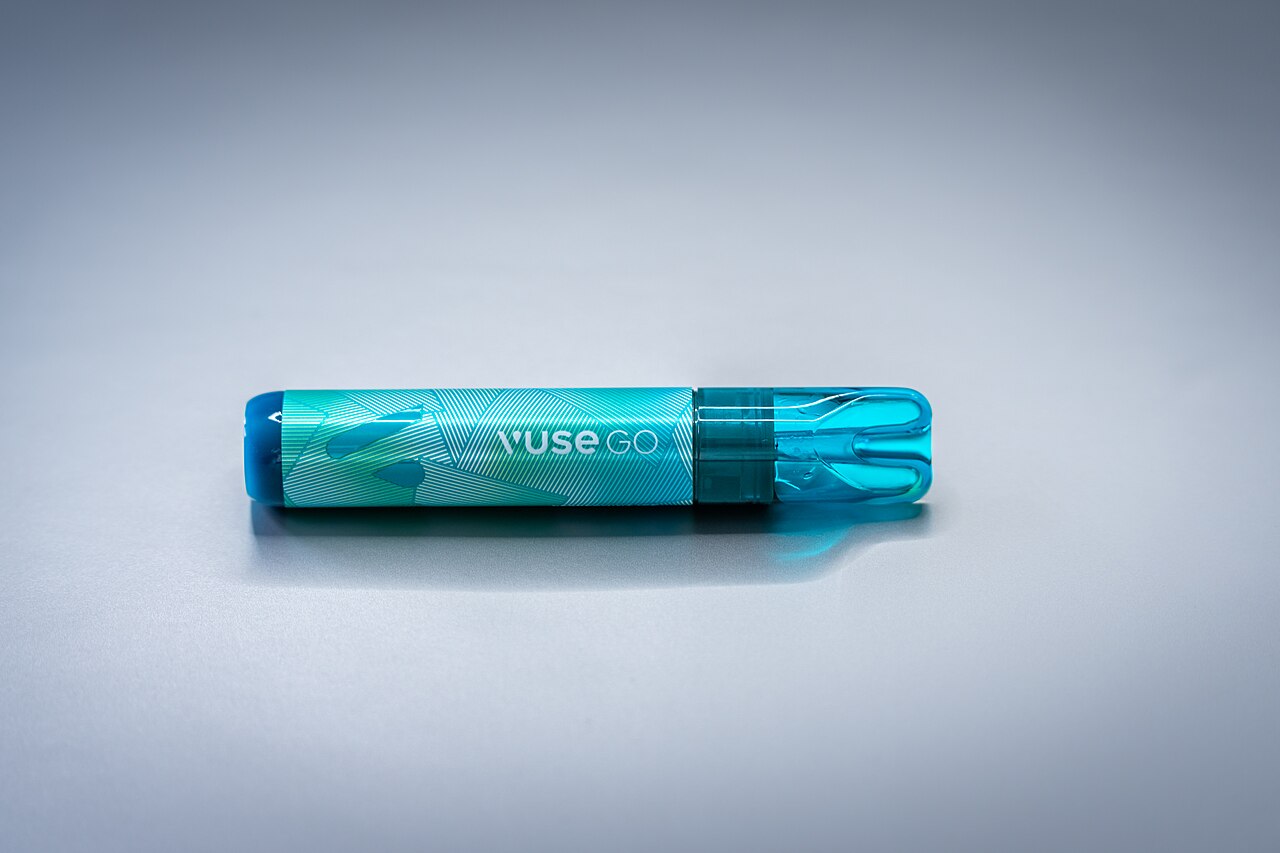
How to dispose of vapes and e-cigarettes safely
Vapes never go in the trash or the recycling cart. Take them to a household hazardous waste site.
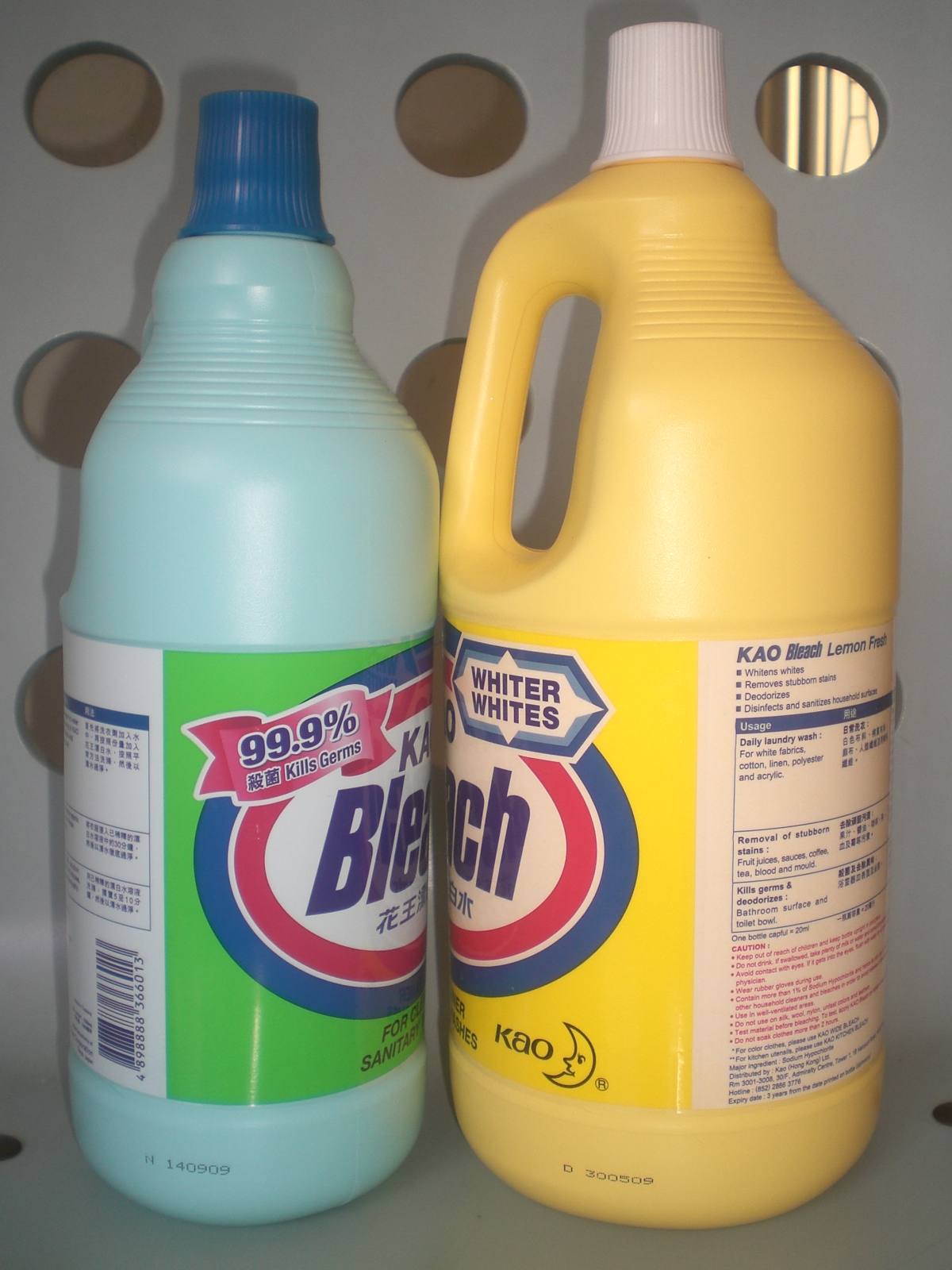
How to dispose of acetone and bleach
Keep chemical leftovers separate, then check your local hazardous-waste program's products and limits.
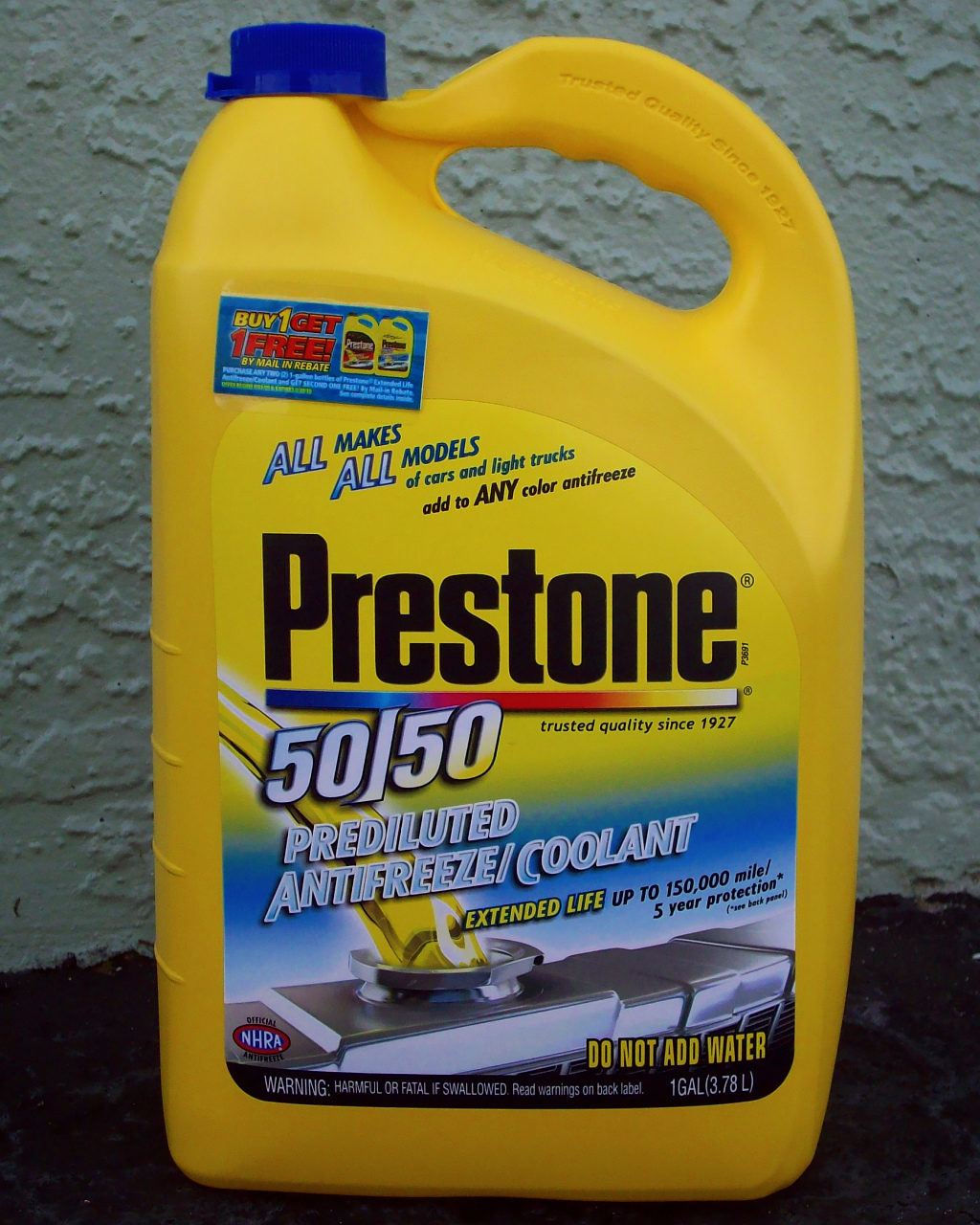
How to dispose of antifreeze: never the drain or the ground
Antifreeze never goes down a drain or in the cart. Seattle, Knoxville and Philadelphia take it at hazardous waste sites.
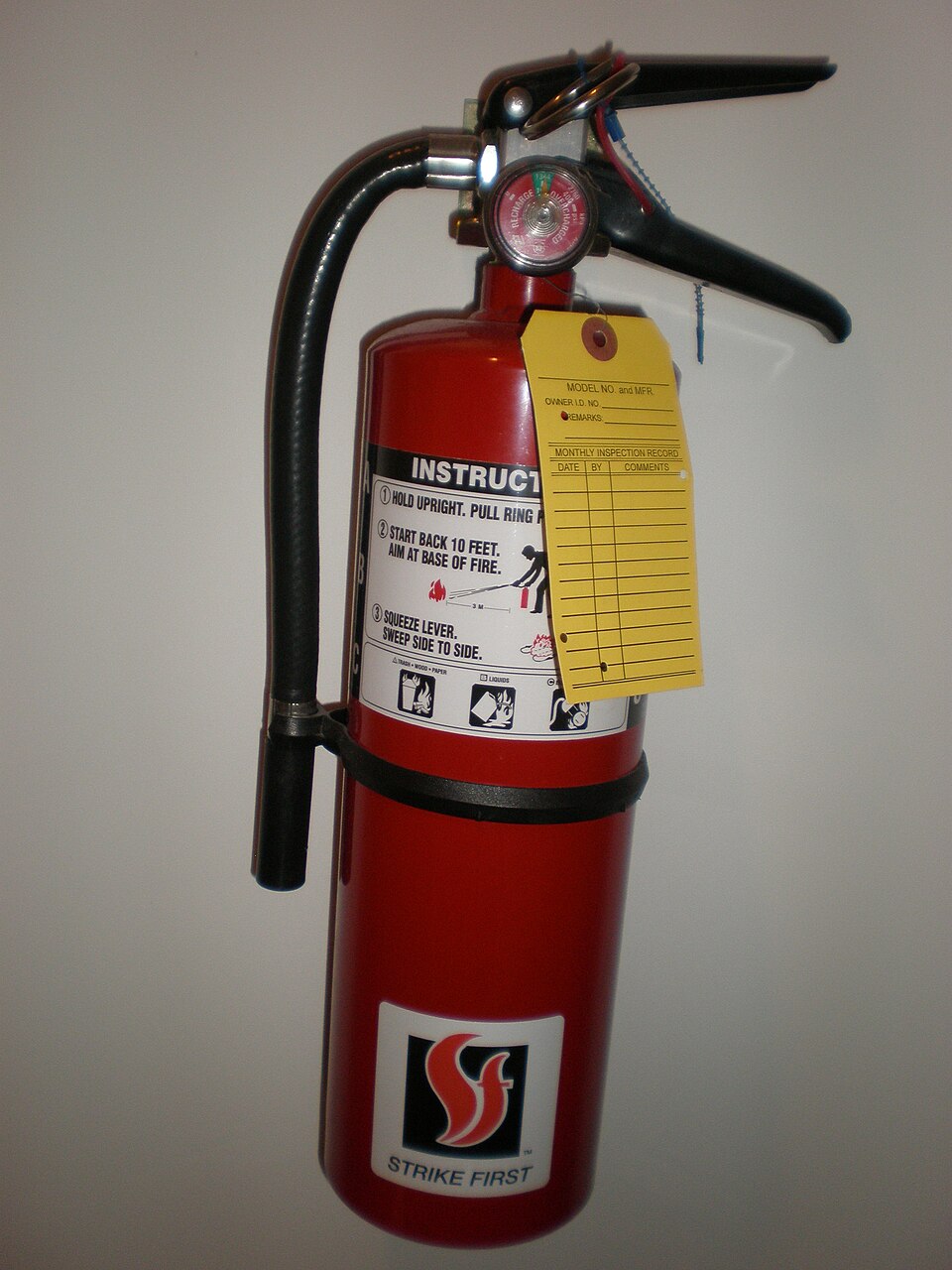
How to dispose of a fire extinguisher: full or empty
A charged fire extinguisher never goes in a cart. Knoxville takes it free; Denver lists drop-offs and a scrap route.
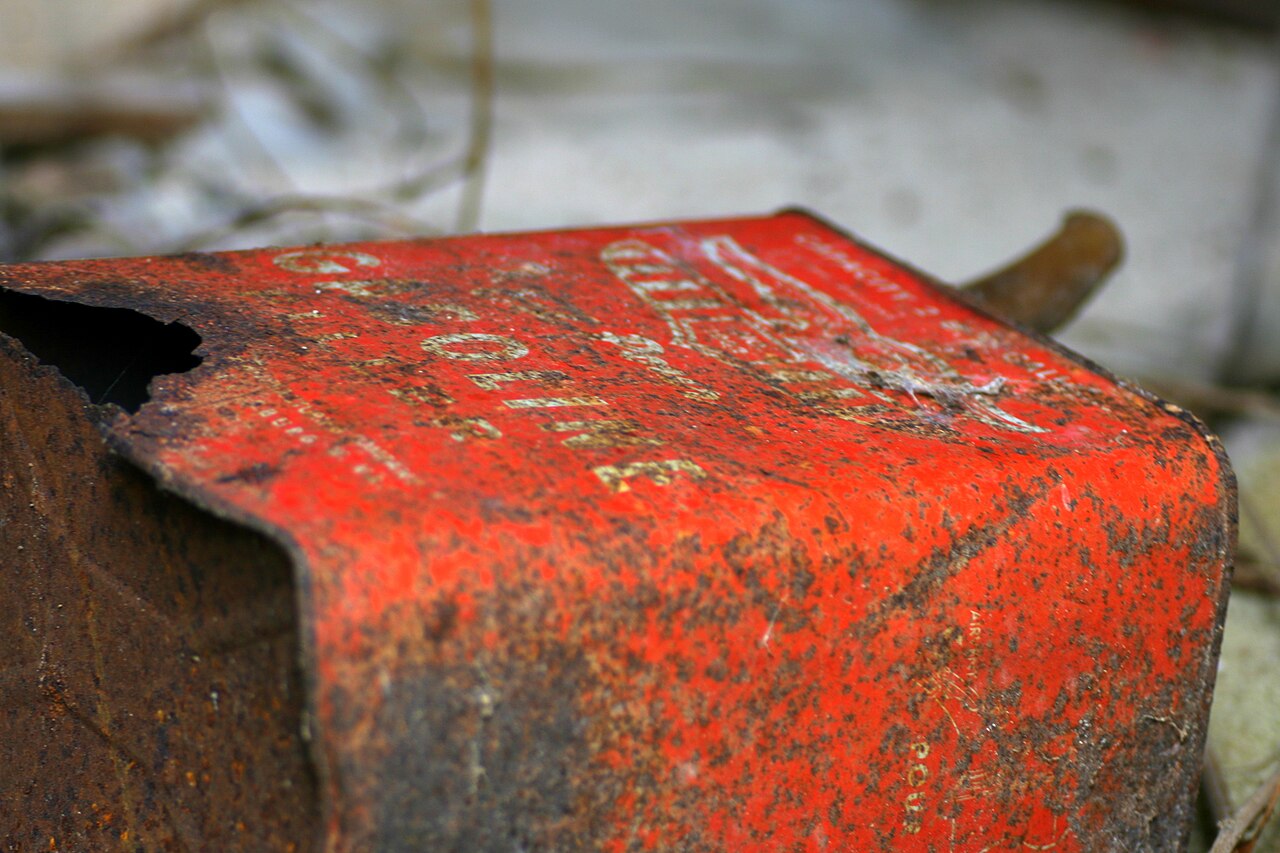
How to dispose of old gasoline: never the cart or drain
Seal it in a gas can and take it to hazardous waste collection. Old gasoline never goes in the cart or down a drain.
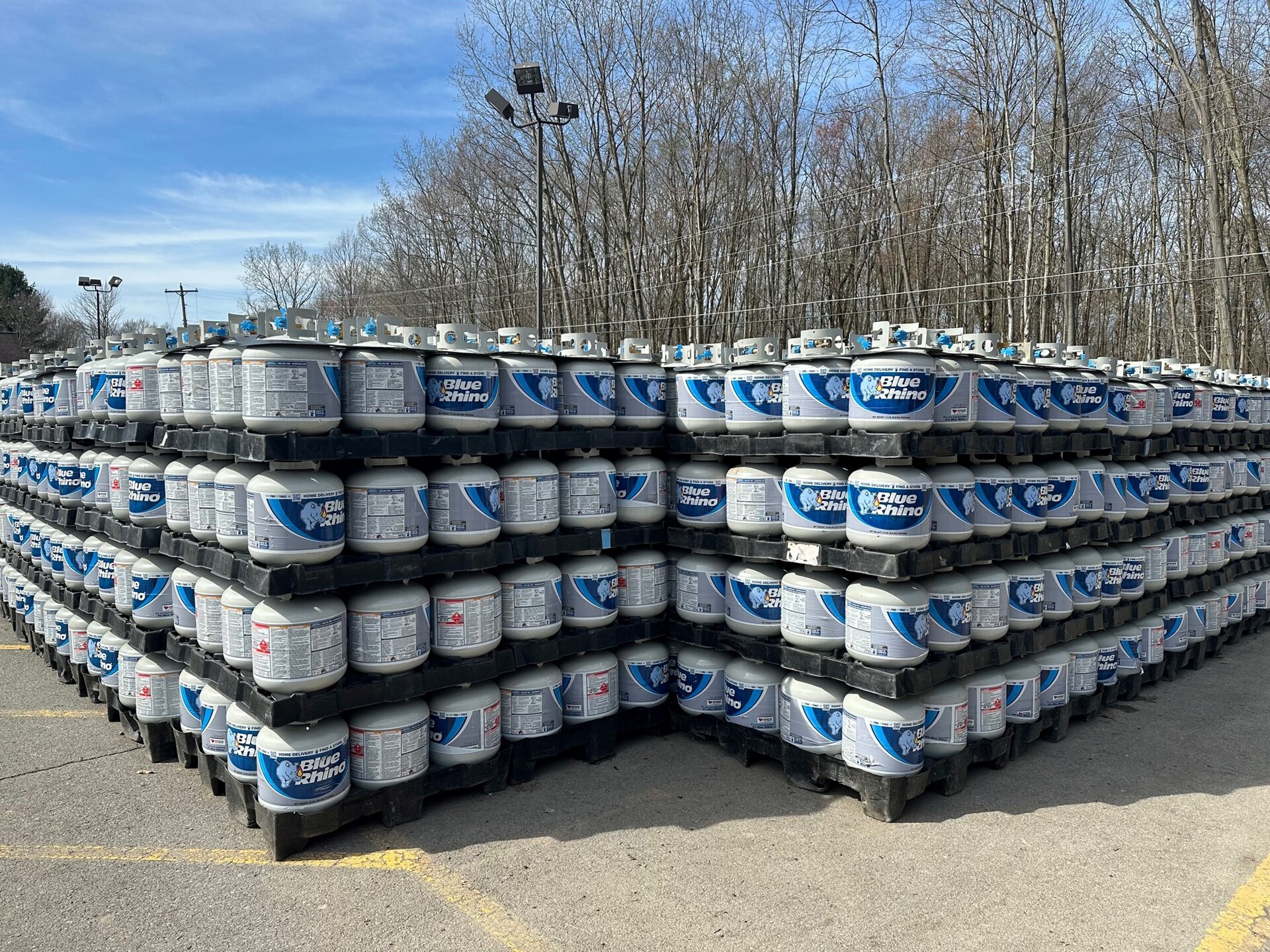
Aerosol cans and propane tanks: disposal, full or empty
Full aerosol cans and grill tanks stay out of the cart. Empty cans and camping cylinders follow the local rule.
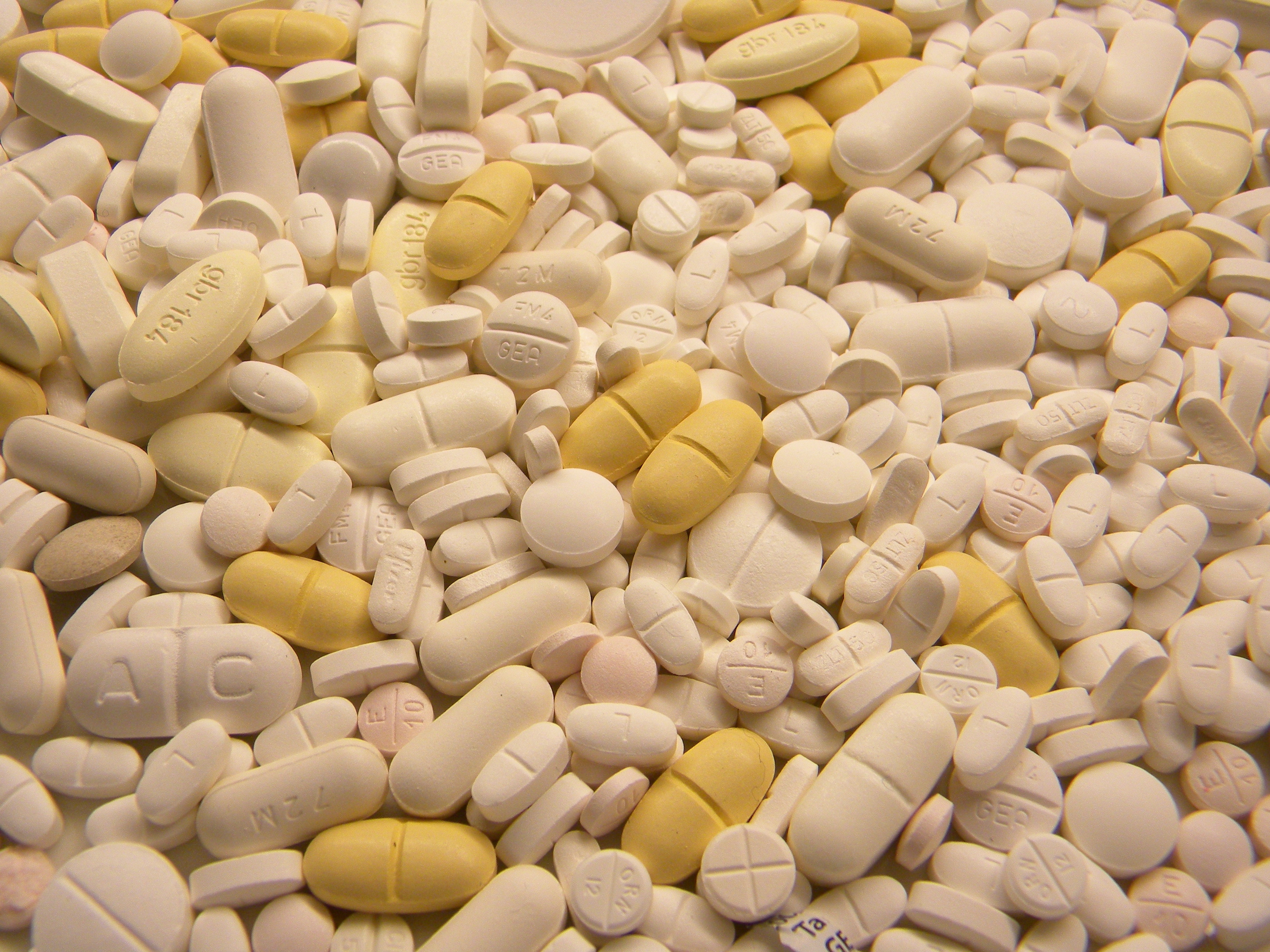
How to Dispose of Old Medication Before Take Back Day 2026
The DEA's next Take Back Day is October 24, 2026 — what to do with unused medicine before and after it.
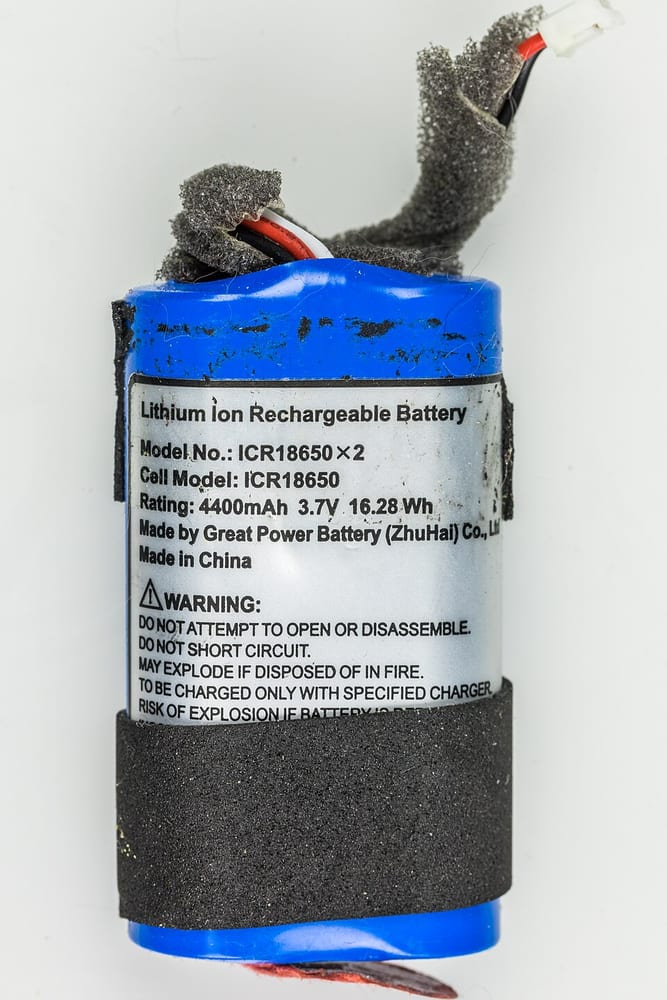
Lithium-ion batteries do not go in the trash or the recycling cart
EPA says used lithium-ion batteries and the devices that hold them stay out of the trash and recycling carts.
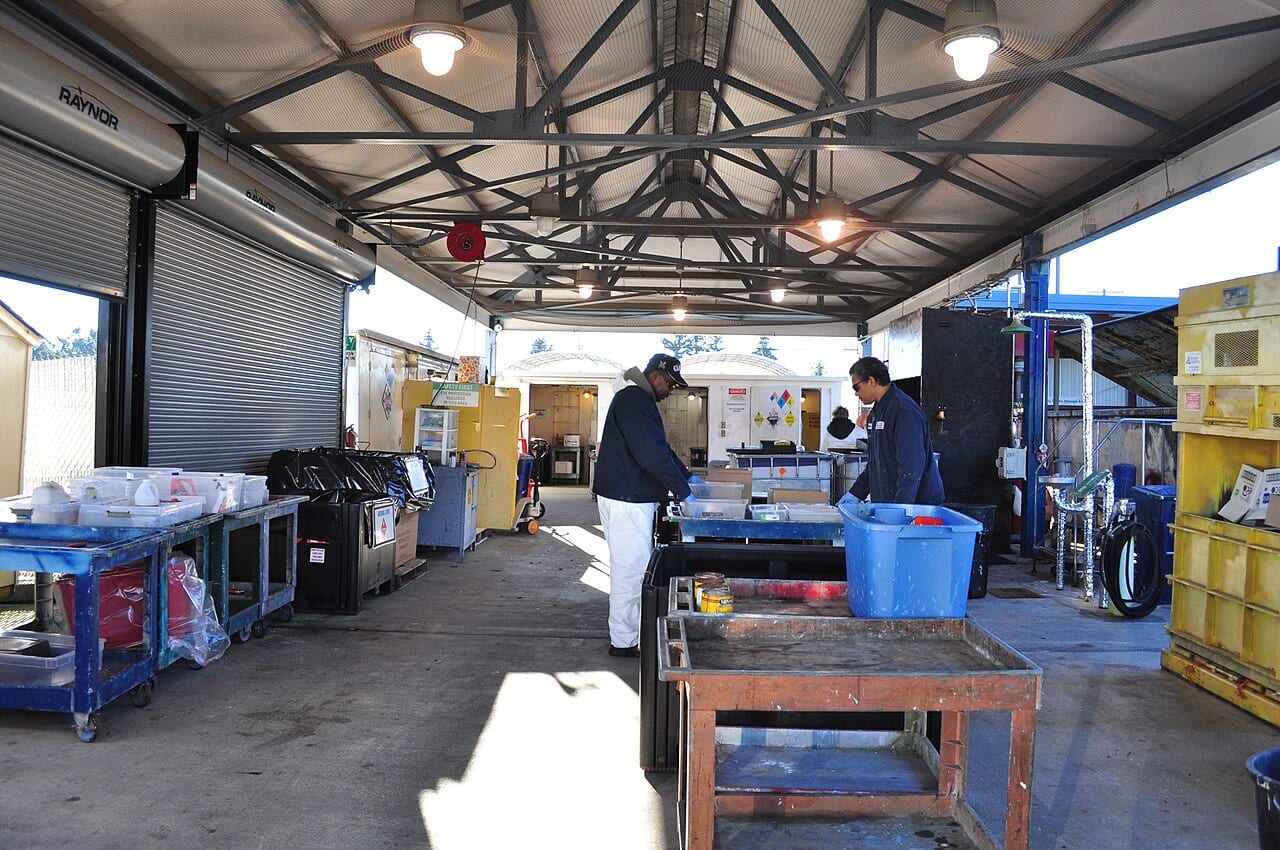
Household hazardous waste goes to a local collection, not the cart
Paints, cleaners, oils, batteries and pesticides do not go in the household cart. Use the local HHW site or event.
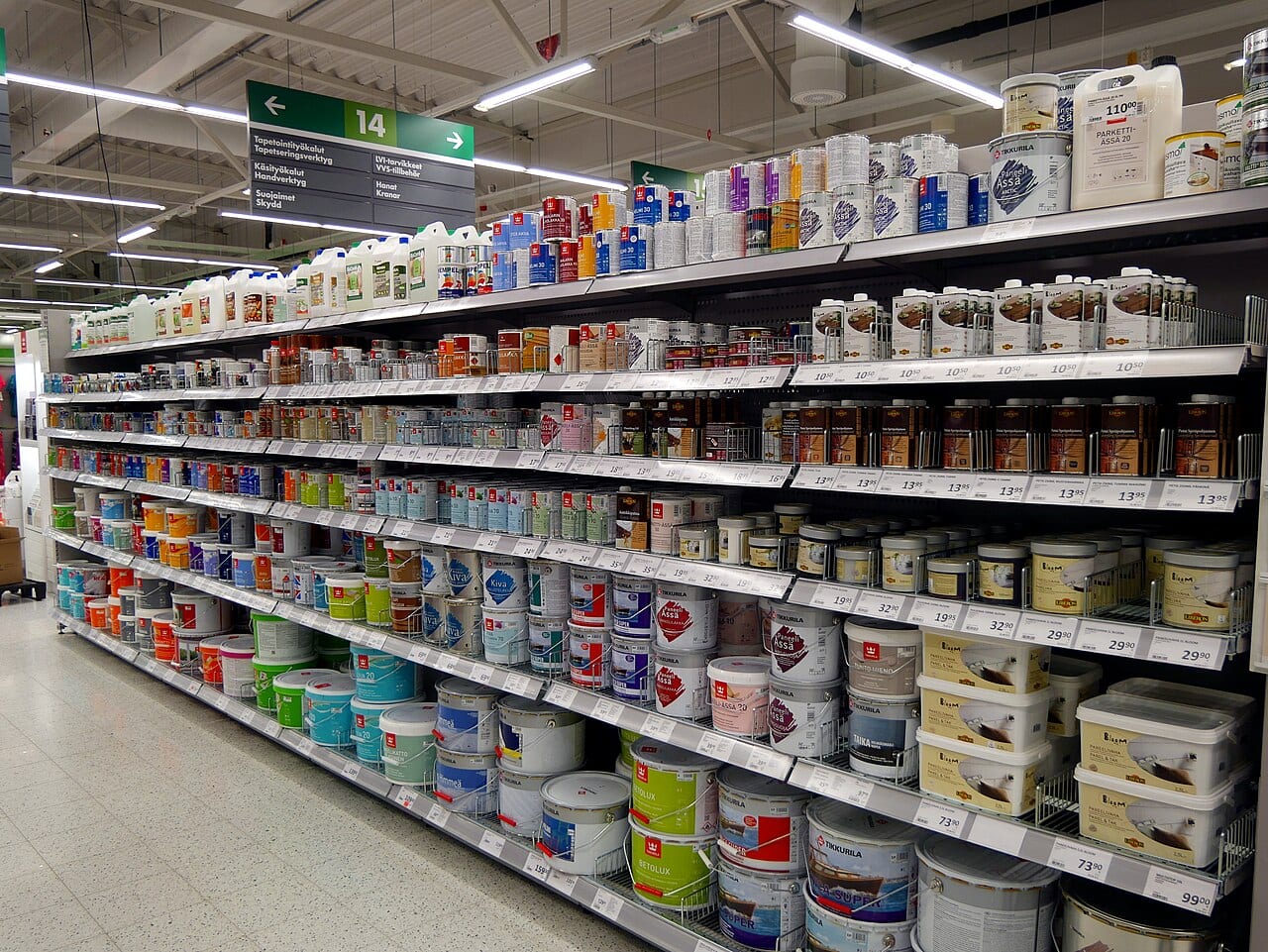
Latex and oil-based paint take different paths
Water cleanup means latex. Mineral spirits means oil-based. PaintCare drop-off exists only in participating states.